Bangladesh President Meets Iranian Ambassador Amid Middle East Conflict
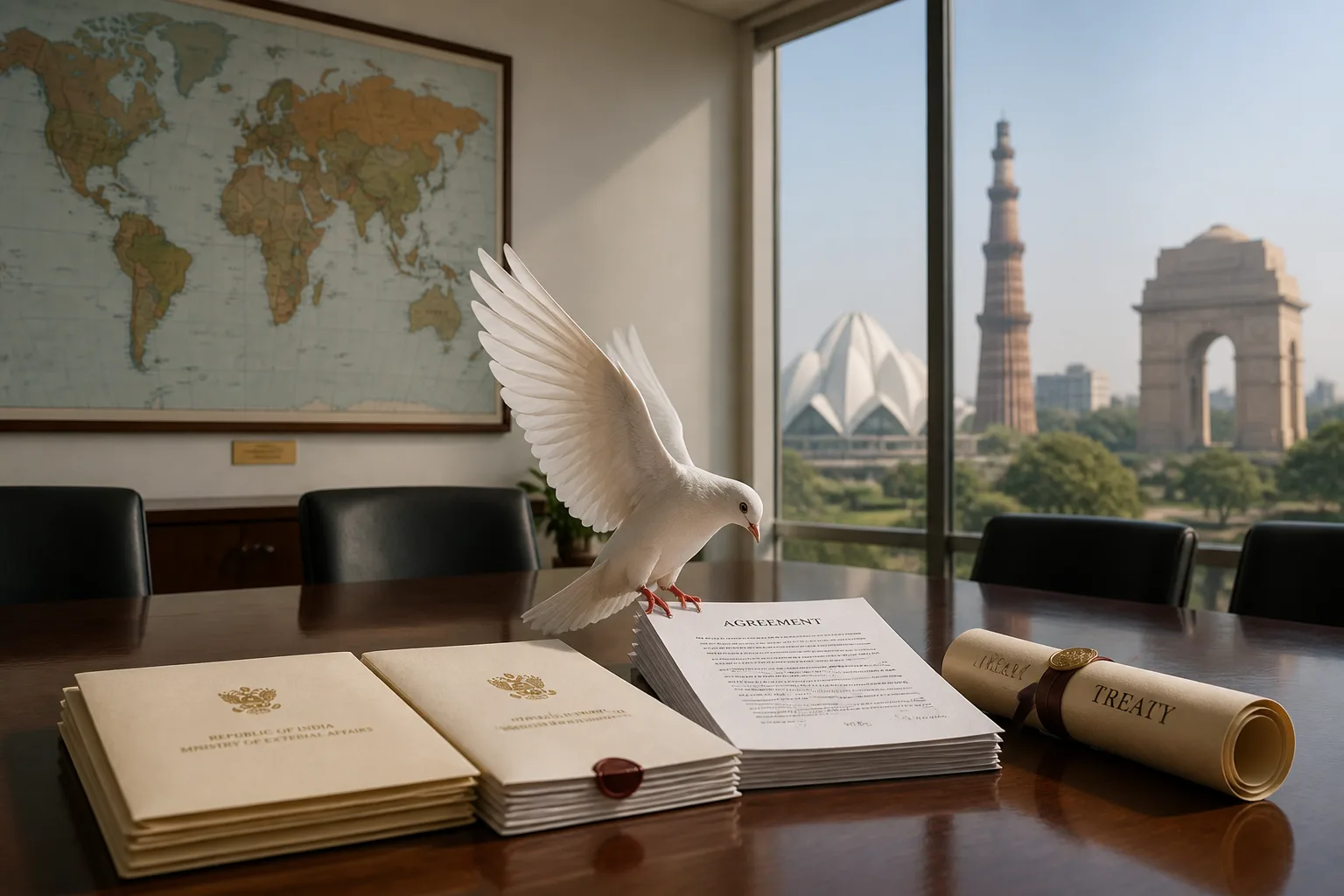
In a quiet yet significant exchange at the presidential palace in Dhaka, President Mirza Fakhrul Islam Alamgir welcomed Iran’s ambassador to Bangladesh, Dr Jalil Rahimi Jahanabadi, on Thursday, September 10 2026. The meeting, attended by senior officials from the Ministry of Foreign Affairs, the President’s Office, and the Iranian Embassy, was a routine diplomatic engagement that carried deeper implications for the region.
Alamgir opened the dialogue by voicing deep concern over the escalating conflict in the Middle East. He warned that the war had intensified an already fragile energy crisis in import‑dependent nations such as Bangladesh. The president noted that electricity generation has fallen short of demand, while fuel shortages have forced the government to introduce rationing measures. These developments, he said, underscore the urgency of securing reliable energy supplies.
Reaffirming Bangladesh’s long‑standing policy of resolving disputes through dialogue and mutual understanding, Alamgir condemned Israeli attacks on Iranian territory as violations of Iran’s sovereignty and international law. He expressed sorrow over the loss of life in Iran, emphasizing that such tragedy is felt across the Muslim world.
The president stressed the importance of unity among the Muslim Ummah for global peace and stability. He highlighted the deep historical, cultural, and people‑to‑people ties that bind Bangladesh and Iran, citing the influence of Persian poets such as Ferdowsi, Sheikh Saadi, Hafez, and Jalaluddin Rumi on the region’s literary heritage. Alamgir also mentioned the affection for the Iranian people reflected in the poems and songs of Bangladeshi National Poet Kazi Nazrul Islam.
In a symbolic gesture, the Iranian ambassador presented a congratulatory letter from Iranian President Ebrahim Raisi to Alamgir on his election as Bangladesh’s president. The ambassador praised Bangladesh’s constructive role in easing tensions in the Middle East and thanked the country for the participation of the Speaker of the Bangladesh Parliament in the funeral of Iran’s former Supreme Leader, Ayatollah Ali Khamenei.
The ambassador expressed hope that Bangladesh and Iran would deepen cooperation across trade, energy, and cultural sectors. President Alamgir assured full cooperation and conveyed confidence that his tenure would further strengthen Bangladesh‑Iran ties.
The meeting underscored Bangladesh’s diplomatic stance on the Middle East conflict and its commitment to maintaining close relations with Iran. It also highlighted the country’s sensitivity to energy security issues arising from the war, given that Bangladesh imports the vast majority of its oil and gas.
No official statements were released by the Iranian government beyond the ambassador’s remarks. The Bangladesh Ministry of Foreign Affairs confirmed that the visit was a routine diplomatic engagement.
The event unfolded against a backdrop of heightened regional tensions following the assassination of Iran’s Supreme Leader, Ayatollah Ali Khamenei, earlier in the year. Bangladesh’s condemnation of Israeli attacks on Iranian territory aligns with its broader foreign policy of supporting sovereign rights and international law.
The meeting concluded with mutual expressions of goodwill and a reaffirmation of the longstanding friendship between the two nations. No new agreements were announced, but both sides indicated a willingness to explore opportunities for increased cooperation in the future.
This visit is part of Bangladesh’s ongoing diplomatic outreach to strengthen ties with key partners amid a volatile regional environment. It reflects the country’s efforts to balance its foreign policy interests while addressing domestic concerns such as energy security.
The next steps for Bangladesh and Iran will likely involve continued dialogue and potential collaboration on trade, cultural exchange, and energy projects, as both governments seek to reinforce their bilateral relationship in the context of regional instability.