Houthis Capture Yemens Mocha Port, Escalating Red Sea Conflict
On 10 September 2026, the Yemen Houthi movement declared that it had seized the port city of Mocha in Taiz province, igniting the fiercest clash with the Saudi‑backed government since the 2022 ceasefire. The takeover follows a string of Houthi gains along the Red Sea coastline, notably the inland city of Hays and the Khalid ibn al‑Walid military camp. Acled reports that 276 civilians and combatants were killed between 3 and 7 September, a period marked by Houthi drone and missile strikes on Saudi energy facilities and southern urban centers.
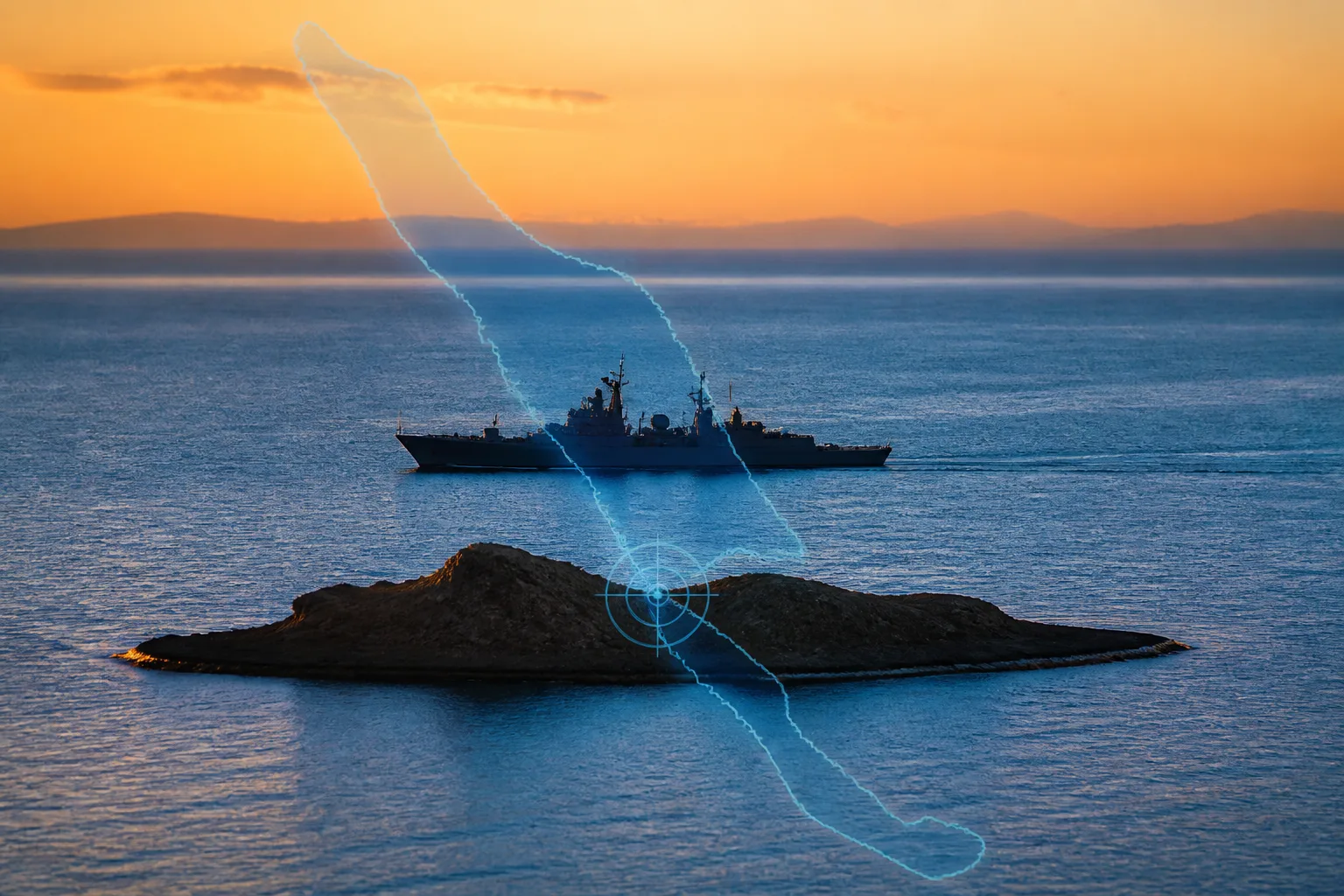
This assault fits into a wider plan to capture the Red Sea coast south of Hodeidah, a move that endangers Saudi maritime security and the United States’ naval operations in the area. Holding Mocha would position the rebels just north of the Bab al‑Mandeb Strait, the vital chokepoint connecting the Red Sea to the Gulf of Aden and the Indian Ocean. Analysts say the location would allow the Houthis to compel Saudi Arabia and the United States to lift the blockade on Iranian oil tankers in the Gulf, a stance that dovetails with Tehran’s objectives.
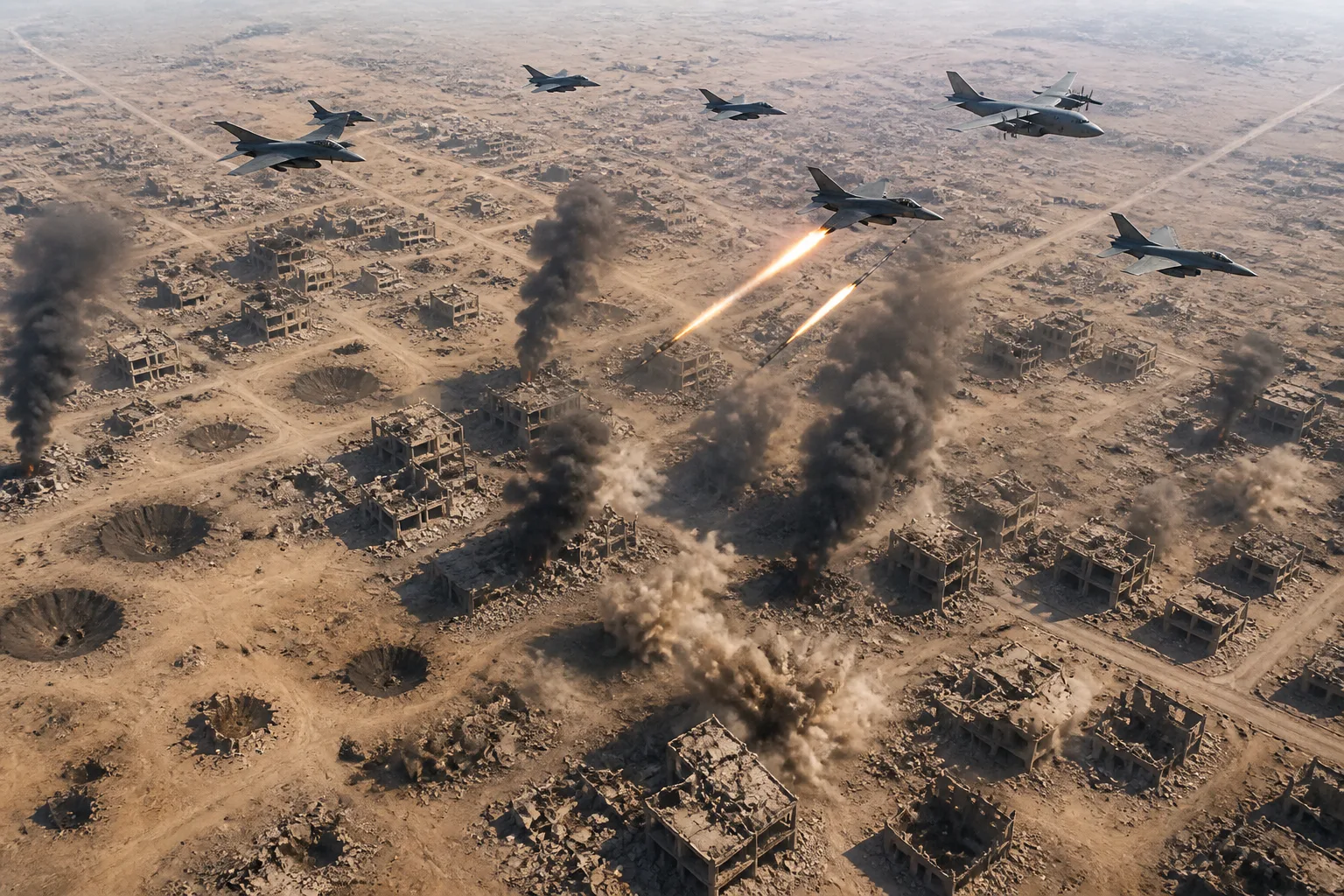
In retaliation, Saudi Arabia launched a massive air campaign. On Thursday, the kingdom deployed up to 40 airstrikes against Houthi positions, while the coalition leveraged its aerial dominance to hit rebel targets. Saudi officials confirmed the rebels’ territorial advances along the coast and their missile attacks on the strategic Red Sea islands of Zuqar and Hanish. The Saudi‑led coalition also struck Houthi positions in Yemen’s Jawf Governorate.
The escalation has prompted debate over the Mecca Joint Defence Agreement, signed on 7 August 2026 by Saudi Arabia, Turkey, and Pakistan. The pact is defensive and is thought unlikely to be activated for Saudi operations in Yemen. Meanwhile, the United Arab Emirates, which had earlier backed the Southern Transitional Council in southern Yemen, cut its financial and military support earlier this year, curtailing the southern forces’ capacity to engage beyond their own territory.
Analysts refer to the Houthi push as a “second front” in the Iran‑US rivalry, complementing the contest over the Strait of Hormuz. The rebels’ assaults on Saudi cities and energy assets are largely viewed as retaliation for Saudi strikes on Houthi‑held territory. The United Nations‑recognised Yemeni government, headed by Major General Tareq Saleh, acknowledged a strategic withdrawal south of Mocha to regroup, citing substantial casualties among its troops.
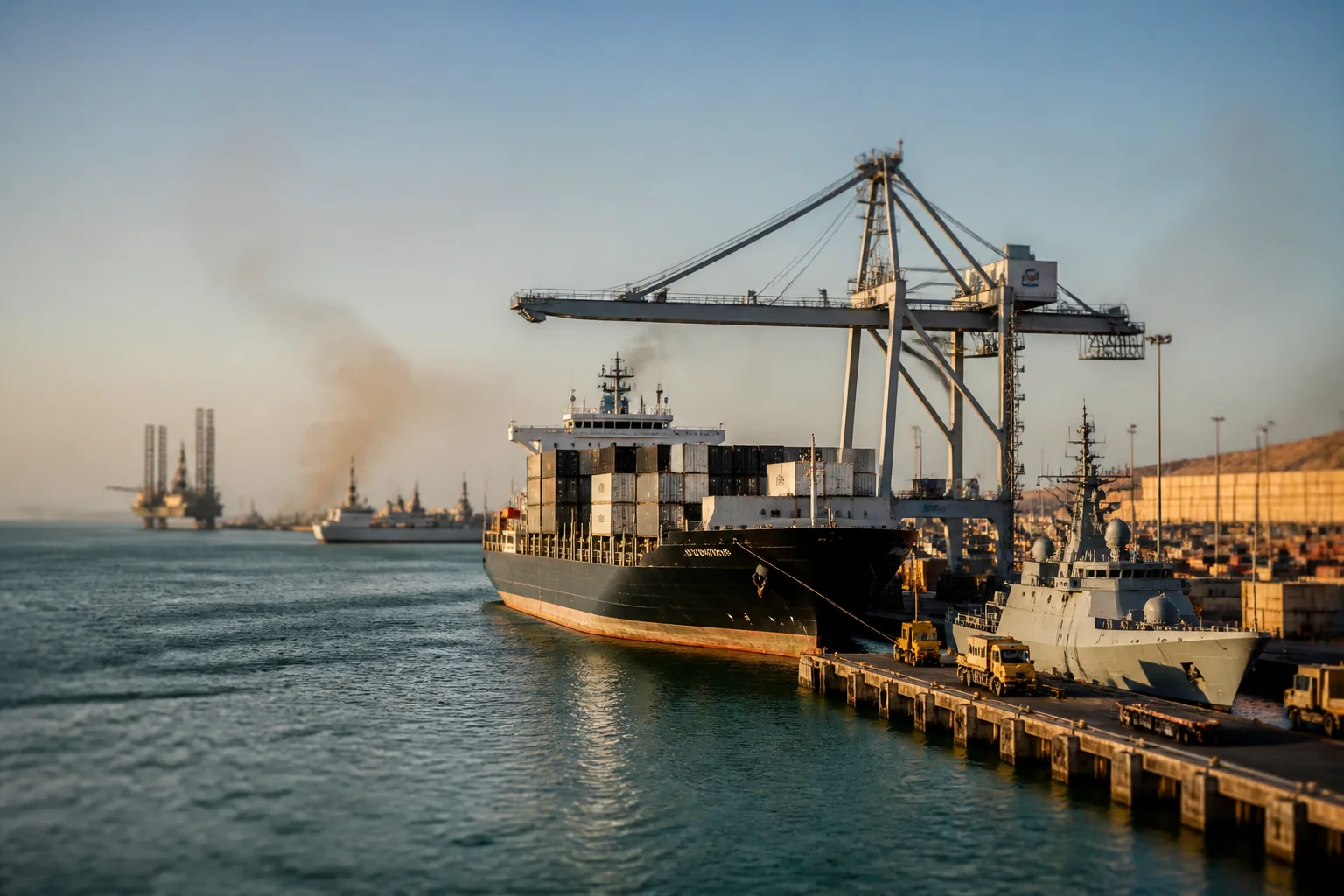
The conflict has reverberated through global markets. Oil prices surged past $100 a barrel after the escalation, following weeks of trading near $80. The heightened threat to shipping lanes in the Red Sea and Gulf of Aden has intensified worries among maritime insurers and shipping operators.
A Houthi‑linked estimate claims the rebels now command over 2,320 square miles (6,000 square kilometres) of territory, underscoring the offensive’s breadth. The group’s attention remains fixed on the Red Sea coast, where both sides aim to deny the other decisive control of the Bab al‑Mandeb Strait.
The situation remains fluid. Saudi airstrikes persist, while the Houthis continue to press along the coast. No formal ceasefire has been declared, and the international community has urged a return to negotiations.
In sum, the Houthi seizure of Mocha marks a pivotal turn in the Yemen war, carrying consequences for regional security, maritime commerce, and the wider Iran‑Saudi rivalry. The final outcome will hinge on the balance of military strength and the readiness of global actors to pursue diplomatic solutions.