IAEA Detects Construction at Irans Secret Pickaxe Mountain Site; UN Security Council Referral Sparks Tension
On Thursday, the International Atomic Energy Agency (IAEA) revealed that it had spotted new construction activity at Pickaxe Mountain, a clandestine Iranian site believed to be linked to the country’s nuclear programme. The agency’s Board of Governors, meeting on Wednesday, also decided to refer Iran to the United Nations Security Council (UNSC) for the first time in two decades after the nation failed to cooperate with investigations into uranium traces found at undeclared sites.
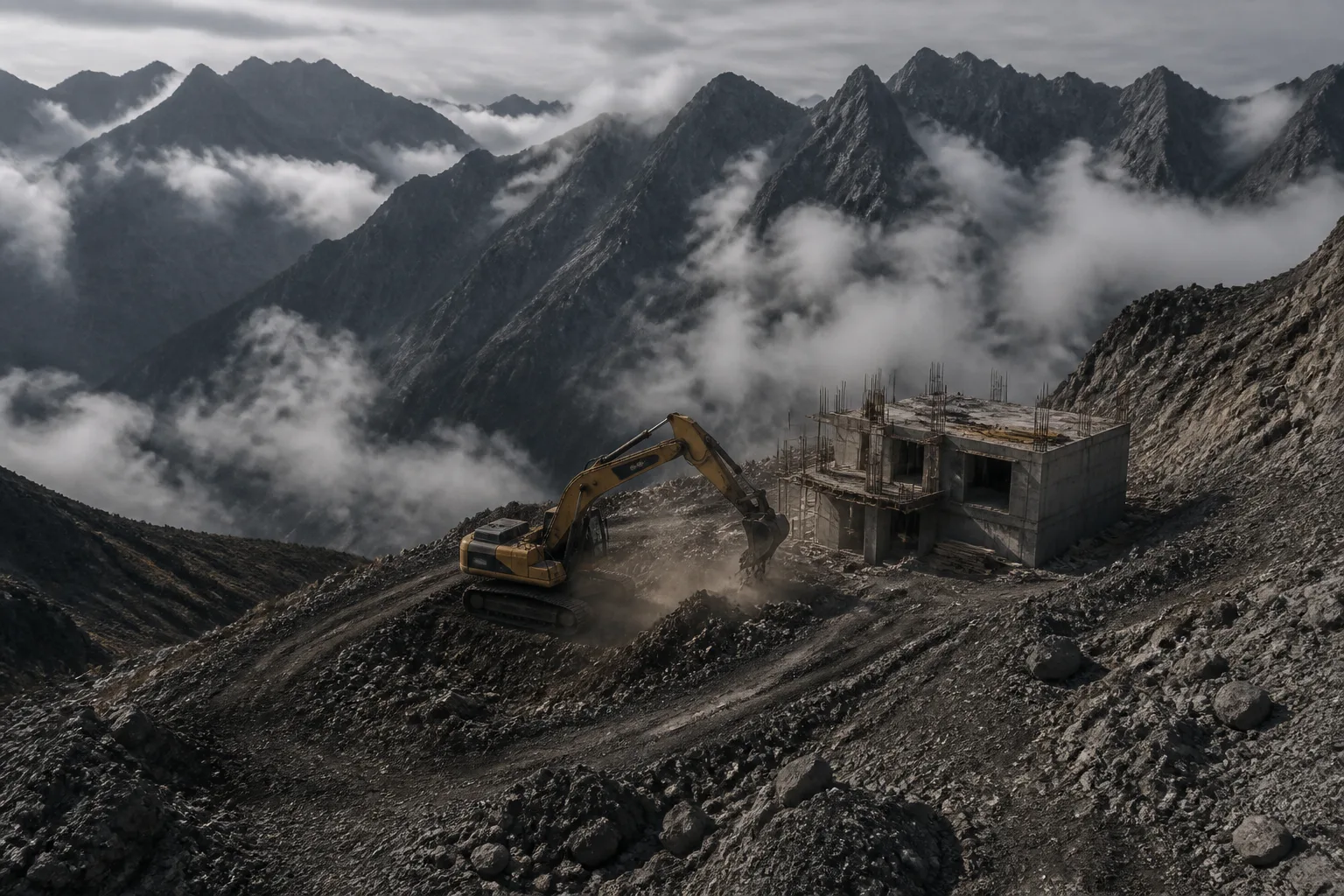
"Satellite imagery shows movement around the construction site," Director‑General Rafael Grossi told Bloomberg Television. He added that the agency had no concrete information about the nature of the activities taking place. Pickaxe Mountain sits in Isfahan province, just a few kilometres south of the Natanz enrichment complex, and is known to contain two deeply buried tunnel complexes. Its proximity to Natanz, which was heavily damaged in a U.S. strike during the 2026 Iran‑Israel war, has drawn international attention.
The referral follows a long‑standing pattern of non‑compliance. According to the IAEA, Iran has denied inspectors access to several undeclared sites where traces of uranium were detected. The move is part of a broader effort by Western powers to bring Iran’s nuclear activities back under international scrutiny, marking the first time the IAEA has taken a country to the Security Council for failure to cooperate with safeguards.
The United States and Israel have been engaged in a war with Iran since February 2026, a conflict that began after a series of U.S. and Israeli airstrikes killed several Iranian officials, including Supreme Leader Ali Khamenei. The war has seen repeated strikes on Iranian nuclear facilities, including Natanz, but Pickaxe Mountain has not yet been targeted. President Donald Trump has repeatedly threatened to strike the site, warning Iran that "we will have to hit them very hard" during a speech at the midterm Republican convention. Trump’s statements come amid ongoing negotiations and a fragile ceasefire that collapsed in July after Iranian attacks on commercial vessels in the Strait of Hormuz.
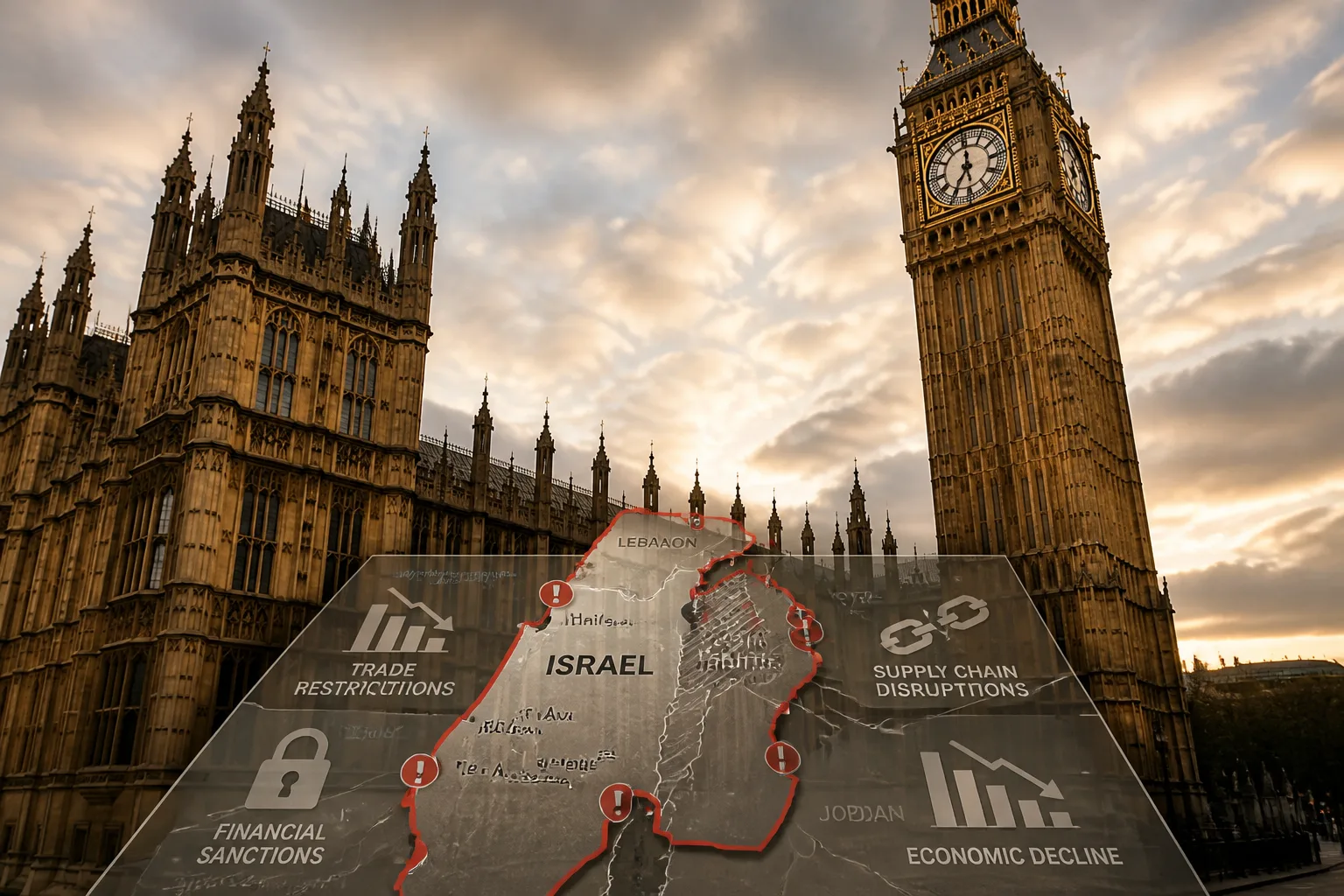
The IAEA’s observation of new activity at Pickaxe Mountain, coupled with the UNSC referral, raises the possibility of further international action. While the agency has not confirmed the purpose of the construction, the site’s strategic location and fortified tunnels suggest it could play a role in Iran’s nuclear infrastructure. The UNSC referral could lead to countermeasures, including sanctions or diplomatic pressure, although no specific measures have been announced. Iran’s response to the IAEA’s findings and the UNSC referral has not yet been reported.
At present, the international community is monitoring the situation closely. The IAEA continues to seek access to all Iranian sites to verify compliance with the Non‑Proliferation Treaty, while the United States and its allies maintain a posture of deterrence against further nuclear development. The next steps will likely involve diplomatic engagement, potential UNSC deliberations, and continued surveillance of the Pickaxe Mountain site.