OPEC Oil Output Falls in August Amid Saudi Export Disruptions and U.S. Blockade of Iran
In August 2026, the 11 member countries of the Organization of the Petroleum Exporting Countries (OPEC) produced an average of 19.71 million barrels of oil per day, a decline of 640,000 barrels per day compared with July. The drop was reported by Reuters in a survey that drew on data from the London Stock Exchange Group (LSEG), Kpler, and internal OPEC sources.
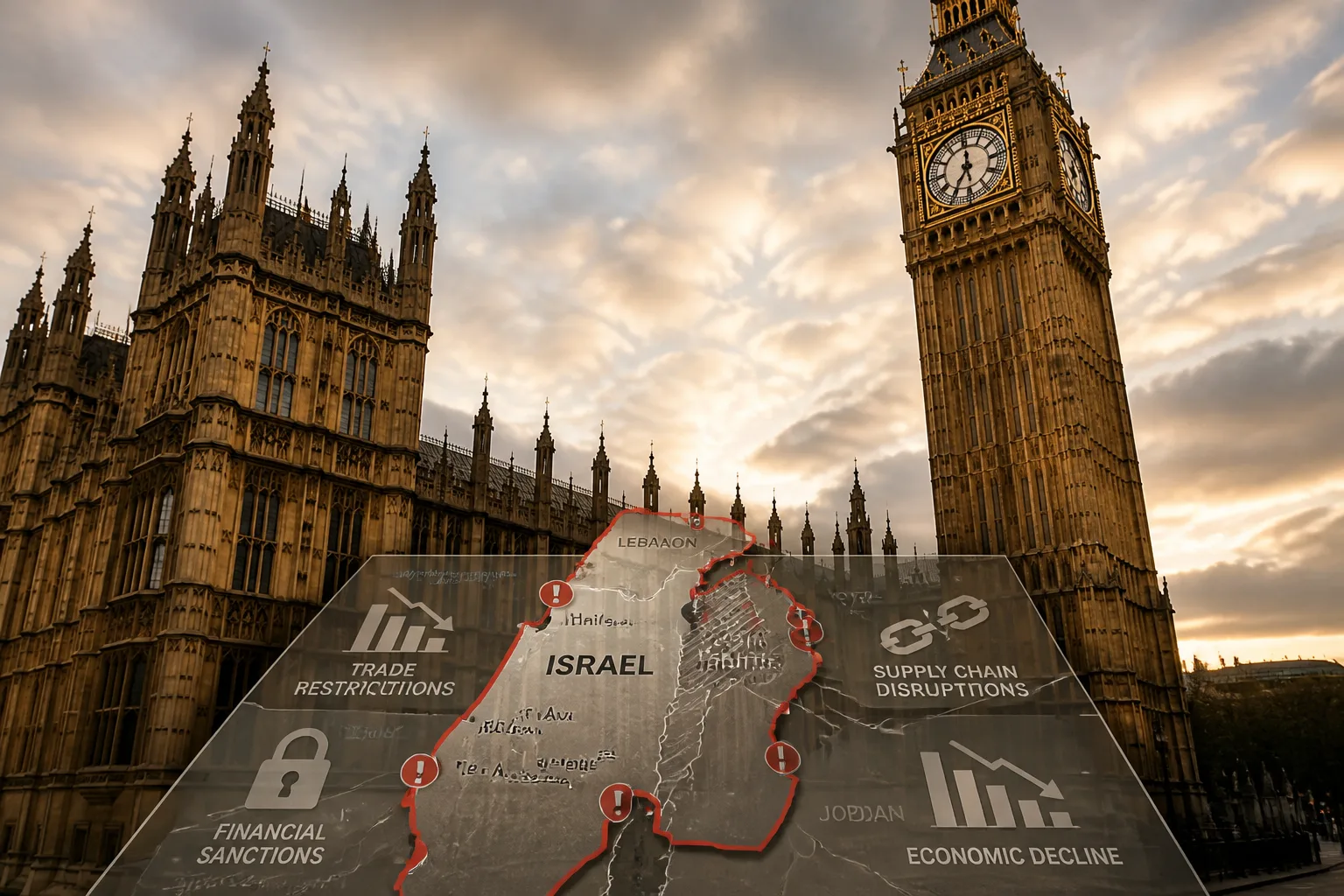
The fall in output coincided with a series of export disruptions that stemmed from the ongoing war in the Middle East. Saudi Arabian exports were curtailed by threats to the kingdom’s main tanker routes, while the United States’ naval blockade of Iranian ports, imposed in April 2026, limited Iran’s ability to ship crude to the global market. The combination of these factors meant that the actual volumes released by OPEC members were lower than the production increases that had been planned for August.
OPEC+ – the alliance of OPEC members and other major producers such as Russia – had scheduled a rise in output for August. Seven key members, including Saudi Arabia and Russia, were to lift production by a combined 188,000 barrels per day. However, the disruptions meant that the group’s actual output fell short of the target. The organization’s official website notes that the production target for September and October 2026 has been set at 31.01 million barrels per day.
Saudi Arabia and Russia were expected to contribute the largest individual increases, each raising output by 62,000 barrels per day. Other members were to add smaller amounts, but the overall plan was undermined by the export constraints. The OPEC+ schedule is designed to gradually raise production in line with market demand, but the war‑related disruptions have forced the group to adjust its expectations.
Amid these developments, Venezuela – a founding member of OPEC in 1960 – is reportedly weighing the possibility of withdrawing from the organization. Sources familiar with the matter say that the decision has not yet been finalized and that discussions have taken place with U.S. officials. No official statement has been issued by the Venezuelan government.
The decline in OPEC output has implications for the global oil market. Brent crude prices have risen above $100 per barrel in recent weeks, reflecting concerns over supply disruptions. The war in the Gulf and the U.S. blockade of Iranian ports have tightened the flow of oil through the Strait of Hormuz, a critical chokepoint that handles about a quarter of the world’s seaborne oil trade.
OPEC’s decision to cut output in August, despite plans to increase production, signals the group’s response to the volatile geopolitical environment. The organization’s goal is to maintain market stability, but the current disruptions have made it difficult to achieve the planned production levels.
At present, OPEC members are operating below their August targets, and the group has adjusted its September and October production goals upward by 188,000 barrels per day. The U.S. blockade of Iranian oil exports remains in effect, and Saudi export routes continue to face threats. Venezuela’s potential exit from OPEC is still under consideration. The situation remains fluid, with no immediate resolution in sight.