Record Oil Freight Rates Surge as Middle East Shipping Routes Lengthen Amid US-Iran Tensions
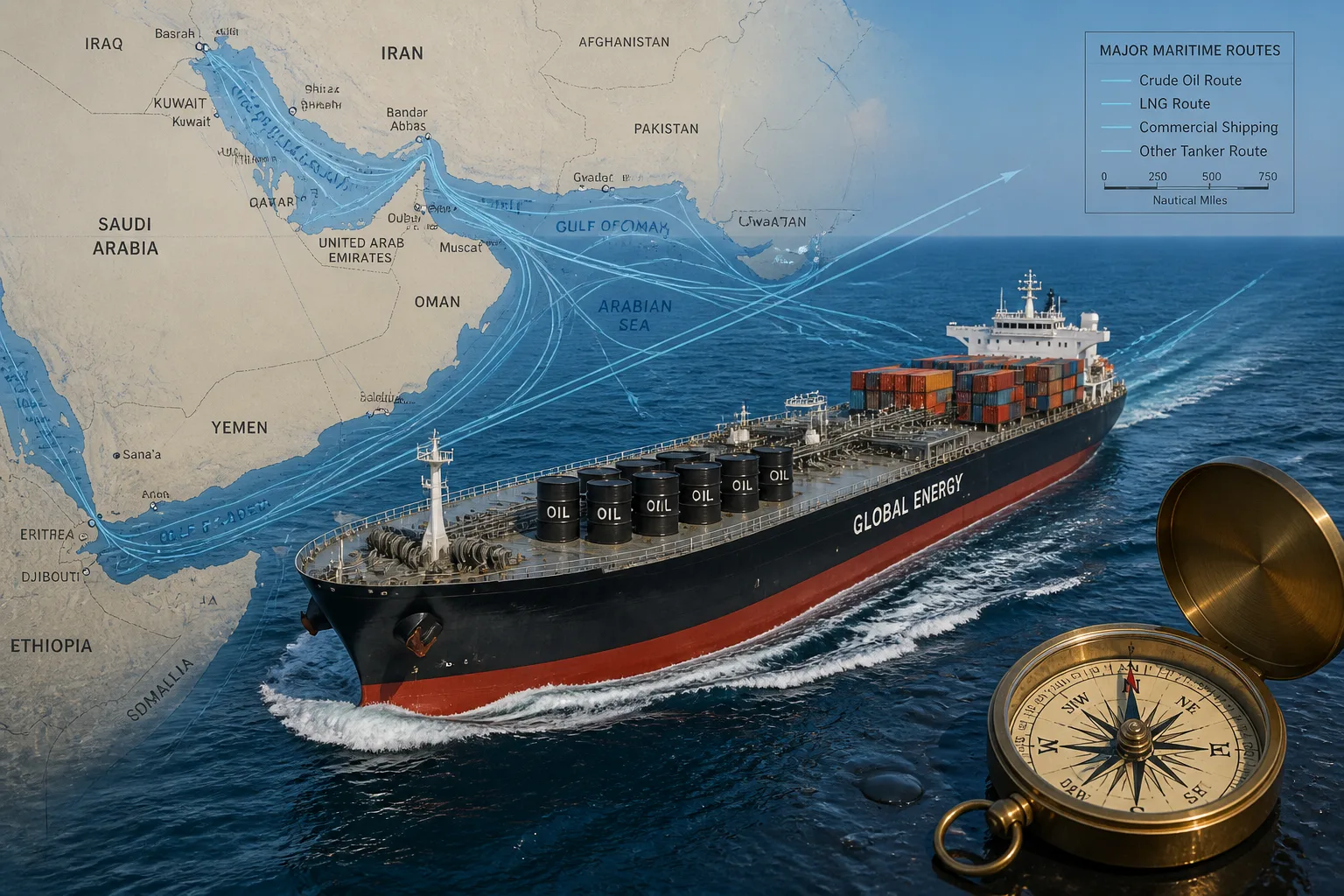
Oil freight rates have surged to unprecedented levels as shipping companies avoid the Strait of Hormuz, the world’s most critical oil chokepoint. OilPrice reports that traders and tanker operators are now steering crude through the northern Red Sea and the Egyptian Mediterranean, a detour that has squeezed the number of vessels available for Middle‑East‑to‑Asia shipments.
The rise in freight costs stems from a mix of geopolitical risk and logistical strain. The Strait of Hormuz, the narrow gateway that links the Persian Gulf to the Gulf of Oman, has grown increasingly hazardous after a series of confrontations between the United States and Iran. Iran has intensified efforts to block oil exports through the strait, while the U.S. has carried out strikes on Iranian‑linked tankers in both the Persian Gulf and the Gulf of Oman. These actions have prompted Saudi Arabia to divert a share of its crude cargoes to northern Red Sea and Egyptian ports, adding distance and time to voyages.
Bloomberg data show that the benchmark daily rate for a very large crude carrier (VLCC) on the Middle East‑to‑China route has climbed to nearly $800,000. A one‑time charter for a supertanker carrying oil from the U.S. Gulf Coast to Asia has risen to $29.5 million per voyage. These figures exclude additional war‑risk surcharges and potential delays, which could further inflate costs.
Shipbroker Fearnleys, in its weekly snapshot covering the period ending 9 September, highlighted an extremely limited number of VLCC positions available for charter. The firm also confirmed that Iran’s blockade efforts have intensified, tightening the market for vessels that can navigate the region. Alex Grant, Equinor’s head of global trading for crude, oil products and liquids, told Bloomberg that “several bottlenecks have emerged in the market simultaneously,” underscoring how freight rates mirror heightened market tension.
The longer detour routes not only raise fuel consumption but also keep tankers and supertankers occupied for extended periods. This congestion reduces the pool of vessels that can be chartered, further driving up freight rates. The effect is visible across the industry: VLCC earnings have hit multi‑year highs, with daily earnings for some vessels approaching $470,000.
The geopolitical backdrop is rooted in the 2026 Iran war, during which the Strait of Hormuz was closed for the first time in decades. The International Energy Agency described the resulting supply disruption as the largest in oil‑market history. While the immediate spike in oil prices has largely subsided, the freight market remains sensitive to any escalation in regional tensions.
The situation also has broader economic implications. Saudi Arabia’s shift to northern routes lengthens shipping times and costs for Asian importers, potentially affecting global oil prices and supply chains. The U.S. and Iran’s continued maritime confrontations risk further disruptions, which could prompt additional risk‑premium surcharges and delay schedules.
In summary, record freight rates for VLCCs and supertankers are a direct consequence of heightened geopolitical risk in the Strait of Hormuz and the resulting need for longer, safer shipping routes. With limited vessel availability and ongoing tensions between the United States and Iran, the market is likely to remain volatile until the conflict deescalates or a new, secure shipping corridor is established.