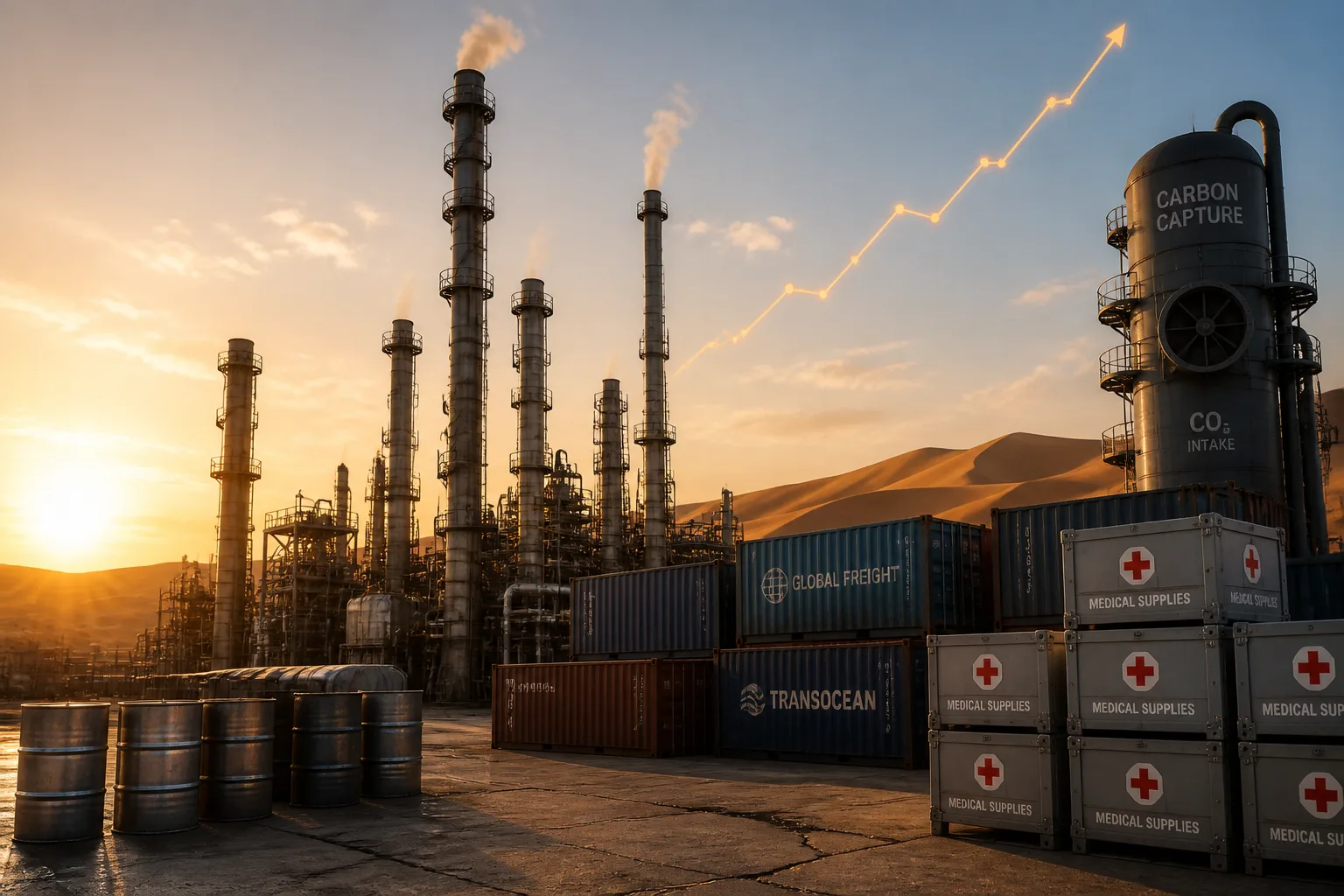
Saudi Arabia Launches Voluntary Carbon Market as Oil Prices Surge and Regional Humanitarian Aid Expands
When Brent futures crossed the $100‑a‑barrel mark on September 10, 2026, the kingdom’s capital was not only watching a sharp rally in the world’s most liquid commodity but also announcing a new tool that could reshape its financial future.
Saudi Arabia launched a voluntary carbon market (VCM) exchange on that day, a move that dovetails Vision 2030’s climate ambitions with the global carbon‑trading framework. The exchange is backed by the Public Investment Fund (PIF) and the NEOM‑based Enowa project, and it is designed to funnel investment into climate projects across the kingdom while drawing ESG‑focused capital into the Saudi equity market.
Under the first partnership announced, PIF and Enowa will trade 30 million tonnes of carbon credits. The initiative follows Saudi Arabia’s February 2026 decision to drop the Qualified Foreign Investor (QFI) framework, thereby opening the Tadawul equity market to all foreign investors. The change is intended to reduce friction for international capital and to position Saudi Arabia as a leader in the Middle East’s emerging carbon market.
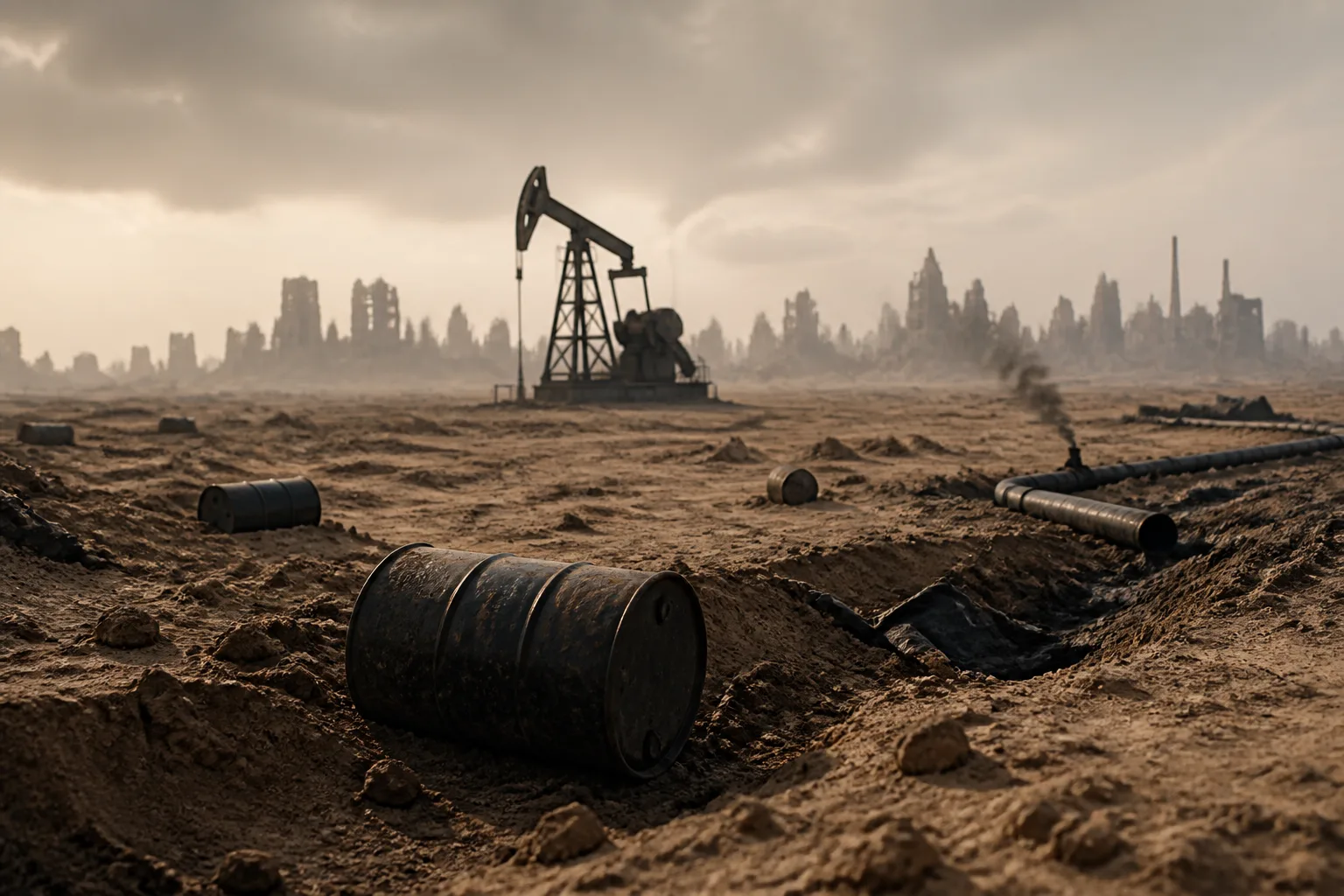
The VCM launch came at a time of heightened oil‑price volatility. Brent crude futures closed at $101.21 a barrel on September 10, the highest level since late May, after a 3.4 % increase. U.S. West Texas Intermediate (WTI) rose 3.25 % to $96.05. The rally is linked to escalating tensions in the region, including Iran‑U.S. strikes on oil tankers that began in February 2026, and to a tightening of global inventories. The U.S. Energy Information Administration has raised its 2026 and 2027 oil‑price forecasts, citing falling global stocks and reduced Middle Eastern supplies.
While the oil market remains volatile, regional governments are simultaneously expanding environmental and humanitarian initiatives. Qatar’s Ministry of Environment and Climate Change has launched a National Strategy to Combat Desertification for 2025‑2030, part of Qatar National Vision 2030 and the Third National Development Strategy. The strategy was highlighted during the United Nations Convention to Combat Desertification (UNCCD) COP‑17 conference in Ulaanbaatar, Mongolia, in August 2026.
Humanitarian aid is also on the rise. The United Arab Emirates (UAE) has earmarked US$30 million for an emergency response in El Obeid, Sudan, and has called for civilian protection and safe access for aid workers. In August 2024, the UAE pledged US$500 million to a United Nations fund for Sudan at a donor conference in Washington, D.C., a commitment that reflects its ongoing support for the 30 million Sudanese who require urgent assistance.
In West Africa, the UAE President’s directives have triggered an urgent relief effort for Ghana flood victims. The floods, which intensified in August 2026, caused widespread damage and prompted international aid appeals. The UAE’s involvement underscores the kingdom’s willingness to support disaster‑affected communities beyond its borders.
The convergence of a new carbon market, rising oil prices, and expanded humanitarian aid illustrates the complex interplay between energy, climate, and security in the Arab world. Saudi Arabia’s VCM could attract ESG capital and set a precedent for other Gulf states, while the oil‑price surge highlights the region’s continued importance to global energy supplies. At the same time, the UAE’s financial commitments to Sudan and Ghana demonstrate a broader regional focus on humanitarian resilience.
Today the Saudi VCM is operational, Brent crude remains above $100 a barrel, and UAE‑backed aid programs are underway in Sudan and Ghana. The next steps involve monitoring the market’s uptake, assessing how oil‑price fluctuations affect regional economies, and ensuring the delivery of humanitarian assistance to those in need.