African Airlines Shift Away from Gulf Hubs Amid Middle East Instability, Rerouting Through Europe and East Africa
In 2026, a growing number of African carriers are steering their long‑haul traffic away from the Gulf’s major transit nodes and toward European and East African hubs. The move is not the result of new travel bans but a calculated response to heightened risk perception and operational uncertainty.
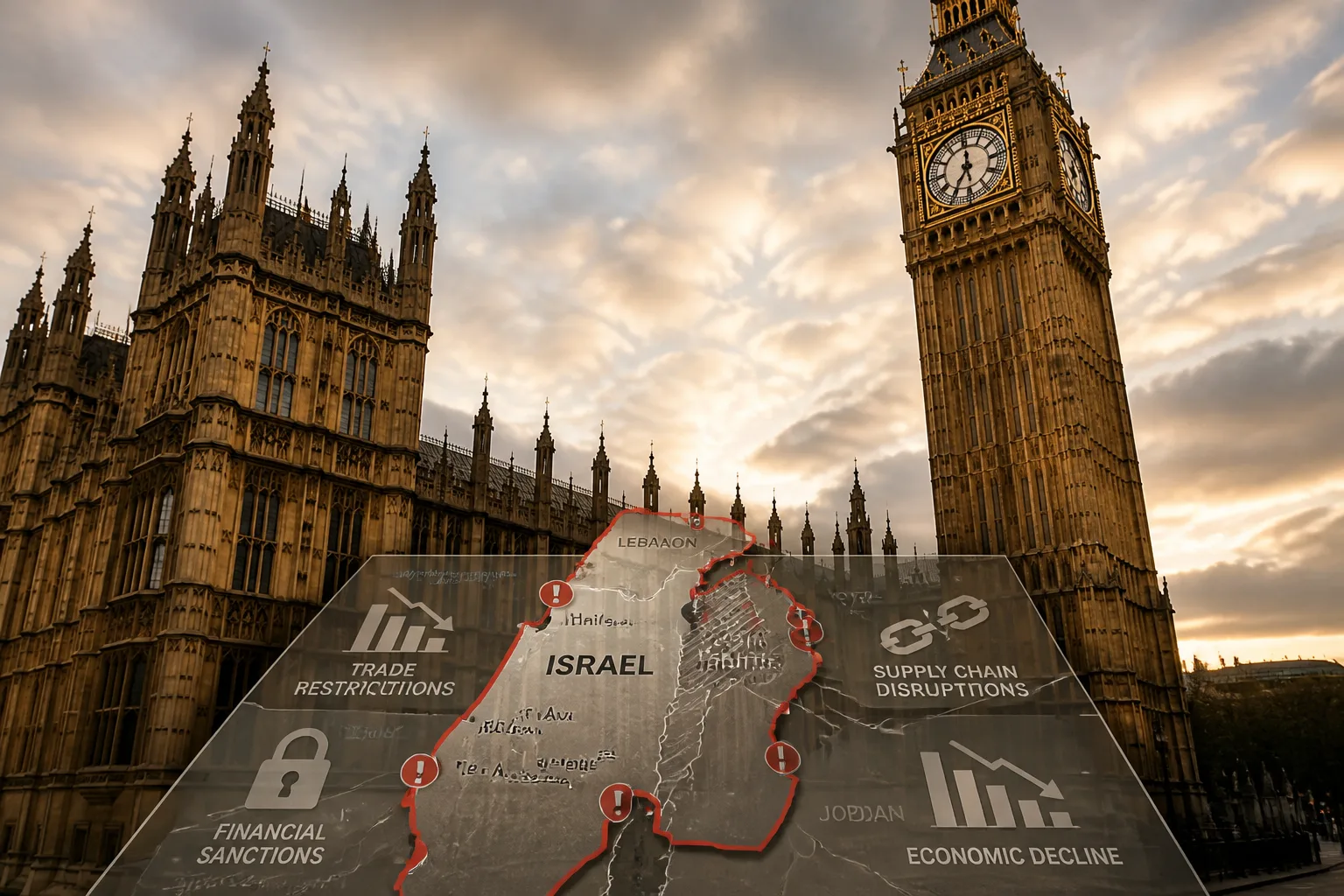
The change follows a series of geopolitical developments that have rendered airspace over Qatar, Israel, the UAE, Bahrain, Saudi Arabia and Jordan less predictable. Periodic flare‑ups, temporary closures over Iran and Iraq, intensified security alerts in Israel and surrounding areas, and maritime tensions in the Gulf have all contributed to a perception of instability. Rising fuel prices, higher insurance premiums for airlines, and the need for longer detours have compounded operational complexity.
According to the report, Tanzanian passengers now favor predictable European transit hubs such as Istanbul, Addis Ababa and major European capitals. East African airlines have adjusted schedules during regional disruptions and are more willing to reroute long‑haul flights through Nairobi or Addis Ababa when Gulf corridors are congested or under advisories. Kenya Airways, for example, has expanded its partnership network with European carriers and is using Nairobi as a multi‑hub alternative.
Morocco’s aviation network, historically tied to European routes, has seen a further shift toward direct Europe connections. The country’s airlines have reduced reliance on Gulf hubs during uncertainty windows, reinforcing a Europe‑centric long‑haul strategy. Egypt’s Cairo International Airport remains a major hub, but airlines adjust flight plans during airspace alerts and prioritize safety and corridor stability.
South Africa’s long‑haul network has also diversified. The country’s carriers are using European hubs for Asia‑bound flights and are increasingly focusing on schedule reliability over the shortest routing. Mozambique, with limited direct long‑haul routes, relies on partner airlines and prefers stable routing via African and European gateways.
Ethiopia’s Addis Ababa airport, a key African transit hub, has benefited from the shift. Airlines are routing through Addis Ababa instead of Gulf hubs during instability cycles, positioning the city as a primary alternative.
The broader trend reflects a rebalancing of global air connectivity logic. Europe is regaining importance as a stable transit corridor, East African hubs are gaining strategic relevance, and Gulf hubs remain dominant but are used more selectively. Airlines are prioritising route resilience over speed efficiency.
The change is not a collapse of Middle East aviation dominance. No formal bans have been imposed by the African governments mentioned. Instead, the aviation sector is responding to heightened risk perception, cost volatility and operational uncertainty.
Other developments reinforce the shift. In early 2026, the Iran war led to the closure of the Strait of Hormuz, causing widespread airspace closures across the Gulf. The resulting disruptions forced airlines such as Emirates and Qatar Airways to suspend operations temporarily. The United Nations Development Programme estimated that the war could reduce Arab nations’ GDP by $120–194 billion.
At the same time, African airlines are expanding routes ahead of the 2026 FIFA World Cup in the United States. The African Airlines Association announced plans to extend its free‑route airspace system to Eastern and Southern Africa by the end of 2026, allowing more direct flights and reducing fuel costs.
Intra‑African air connectivity routes have doubled since 2025, although high taxes and blocked funds remain hurdles. These developments, combined with Gulf instability, have accelerated the move toward diversified, risk‑managed aviation routing systems.
In summary, African outbound travel patterns in 2026 are increasingly driven by risk perception and operational resilience. Passengers and airlines are diverting through European and East African corridors, reducing reliance on Gulf hubs during periods of geopolitical tension. The shift represents a strategic recalibration rather than a policy change, reshaping global connectivity in response to sustained regional uncertainty.