President Marcos Allocates Additional 3 Billion to Strengthen Repatriation of Filipino Workers from Middle East
On 21 June 2026, President Ferdinand Marcos Jr. directed the release of an extra ₱3 billion to the Department of Migrant Workers (DMW) to bolster the repatriation and reintegration of overseas Filipino workers (OFWs) displaced by the escalating conflict in the Middle East.
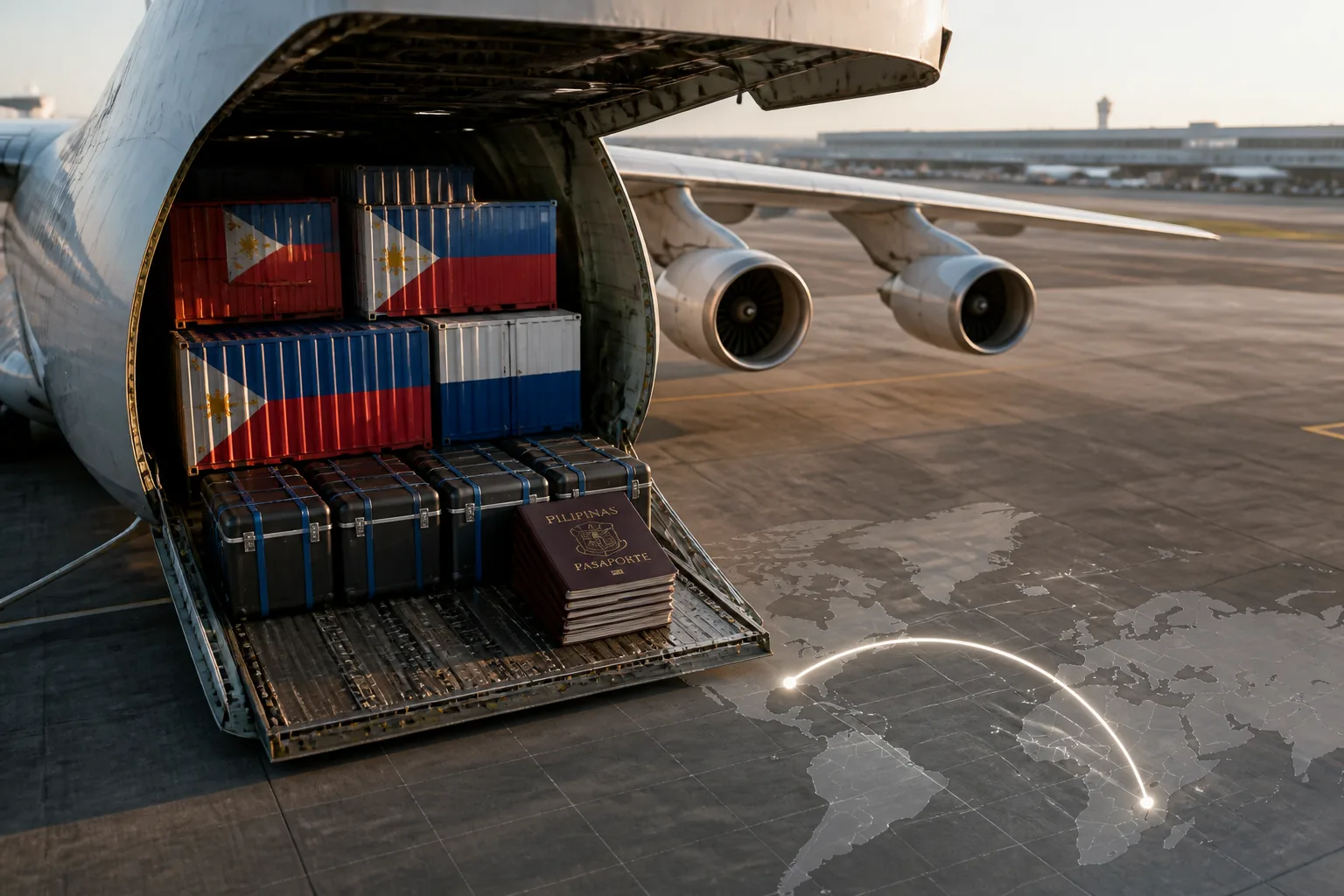
Executive Secretary Ralph Recto explained that the new funds will cover the entire repatriation chain – from pre‑flight assistance and chartered flights to comprehensive reintegration services – moving beyond a simple airport‑to‑airport operation. The money is earmarked to bring Filipinos home, provide them with economic opportunities, and extend support in the provinces.
As of 17 June, DMW‑arranged humanitarian flights had safely returned 10,446 Filipinos. The group included 8,281 OFWs, 1,803 dependents and 362 stranded citizens, with some flights carrying sick workers for medical evacuation. The repatriation effort, launched in early March, is part of the DMW’s mandate under Republic Act 11641, which created the department in December 2021.
The DMW works closely with the Overseas Workers Welfare Administration (OWWA) and the Philippine Overseas Employment Administration (POEA) to deliver a standard welcome package that covers financial assistance, psychosocial counseling, medical assessment, reemployment guidance and livelihood training. In addition to the flights, the department has organized 15 “Bayanihan Para Sa Balikbayang Manggagawa” national reintegration networks and job fairs across the country. OWWA’s “Balik Pinas, Balik Hanapbuhay” program has granted livelihood aid to 664 returning OFWs, offering start‑up assistance of up to ₱20,000.
The government has also opened a hiring pathway for Philippine‑licensed teachers returning from abroad. The Department of Education now allows these educators to work in public schools, a move that could help alleviate shortages in the education sector.
The additional ₱3 billion will be used to expand the existing repatriation flights – chartered from Dubai, Riyadh and Fujairah – and to enhance post‑arrival services. Recto emphasized that the funds will enable the DMW to bring Filipinos to provinces where they can access local employment and entrepreneurship opportunities.
This repatriation drive reflects the Philippine government’s broader strategy to protect its citizens abroad and to manage the economic fallout of the Middle East conflict. The war has displaced thousands of OFWs, many of whom work in construction, domestic service and hospitality.
DMW’s repatriation chain, as outlined by Recto, consists of: 1. Post‑departure assistance – financial support and counseling before the flight. 2. Flights – government‑chartered air transport from the Middle East to Manila. 3. Reintegration – medical assessment, job placement, livelihood training and psychosocial support.
The program also aims to transfer skills acquired abroad to the Philippine economy, a form of “brain gain” that can benefit local industries.
The additional funding will be released through the DMW’s budget and is expected to be deployed over the next 12 months. While a detailed spending plan has not yet been announced, officials say the money will increase the number of flights and expand reintegration services.
The repatriation initiative is a direct response to the escalating violence in the Middle East, which has left many Filipinos in distress. The Philippine government has repeatedly stated that it will continue to provide humanitarian assistance until all affected workers and their families are safely returned.
In summary, President Marcos’ order of an extra ₱3 billion for the DMW is aimed at ensuring a comprehensive repatriation and reintegration process for OFWs displaced by the Middle East conflict, with a focus on economic opportunities and provincial support.