Strait of Hormuz Closure Slams Indian Basmati Rice and Tea Exports to West Asia
When Iran’s iron grip on the Strait of Hormuz closed its gates, India’s fragrant basmati and aromatic tea found themselves stranded, and the market felt the heat.
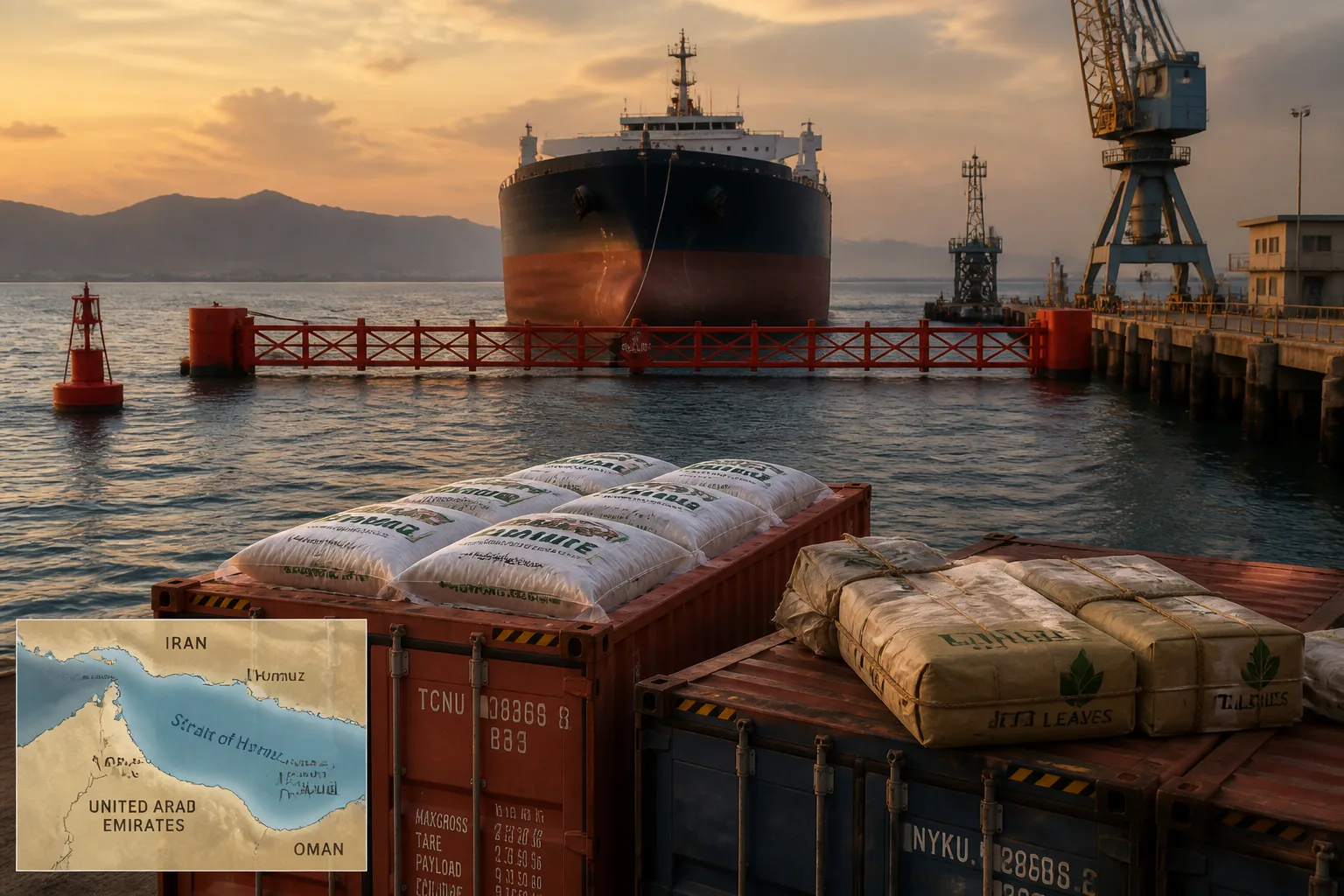
The sudden shutdown halted shipping lanes that carry India’s premium basmati rice and second‑flush tea to key Middle‑East markets. With 60,000 tonnes of rice already in transit and freight costs spiking, exporters warn that prices could fall by 5‑10 %.
India’s basmati rice industry has long depended on the Persian Gulf for distribution. The country produces about 7.2 million tonnes of basmati annually, of which roughly 6 million tonnes are exported. Five West‑Asian destinations – Saudi Arabia, Iran, Iraq, the United Arab Emirates and Yemen – account for about half of India’s basmati trade. According to the Indian Rice Exporters Federation, the interim US‑Iran peace deal earlier in the year had lifted demand, pushing prices up 15‑20 %. The current blockade is expected to reverse that trend.
The tea sector faces a similar crisis. India recorded an all‑time export volume of 285 million kg in 2025, with nearly 50 % destined for Middle‑East buyers who favour Indian orthodox second‑flush teas. Mohit Agarwal, director of Asian Tea & Exports, said the blockade and the sharp rise in freight charges through Red Sea ports have brought exports to a virtual standstill. The disruption comes at a time when orders for the 2026 season normally begin in late May and shipments start in early June.
The closure is part of a broader maritime shutdown that began after the 2026 Iran‑Israel war. Iran’s blockade of the strait, which handles about 20 % of global seaborne oil trade and 25 % of LNG shipments, has forced vessels to reroute through the Bab el‑Mandeb Strait and the Red Sea, adding distance and cost. The war has also led to missile and drone attacks on commercial ships, further discouraging passage.
For Indian exporters, the immediate impact is a loss of market access and a potential drop in revenue. The basmati sector fears a price decline that could erode margins, while the tea industry could see a halt in the 2026 shipment cycle. Both sectors rely heavily on the West‑Asian market for foreign‑exchange earnings, and the disruption threatens to widen the trade deficit.
The Indian government has not yet issued a formal response to the shipping blockade. Trade officials have urged exporters to seek alternative routes and to negotiate with shipping companies for expedited transit through the Red Sea. The Ministry of Commerce has also been in contact with the United Arab Emirates and Saudi Arabia to secure temporary access to their ports.
As the war enters its second month, the economic fallout is already visible. Shipping companies report increased freight rates, and port operators in the Gulf are experiencing congestion. The Indian Ministry of External Affairs has requested that the United States and its allies maintain open shipping lanes to safeguard trade flows.
In the coming weeks, the Indian exporters’ associations will likely lobby for diplomatic pressure on Iran to reopen the strait. The outcome will hinge on the pace of diplomatic negotiations and the resolution of the broader conflict.
The current situation underscores the vulnerability of India’s agricultural exports to geopolitical shocks. While the government has not yet announced specific mitigation measures, the industry is monitoring developments closely to protect its interests in the Middle‑East.