Iran Declines to Invite IAEA Chief to Negotiations Amid US-Iran Ceasefire Talks
In Geneva on 18 June 2026, a source close to the Iranian negotiating team confirmed that Tehran has no intention of holding talks with International Atomic Energy Agency (IAEA) Director‑General Rafael Grossi. The source said Grossi’s presence in Switzerland does not guarantee his participation in the discussions that are part of the 60‑day ceasefire extension between the United States and Iran.
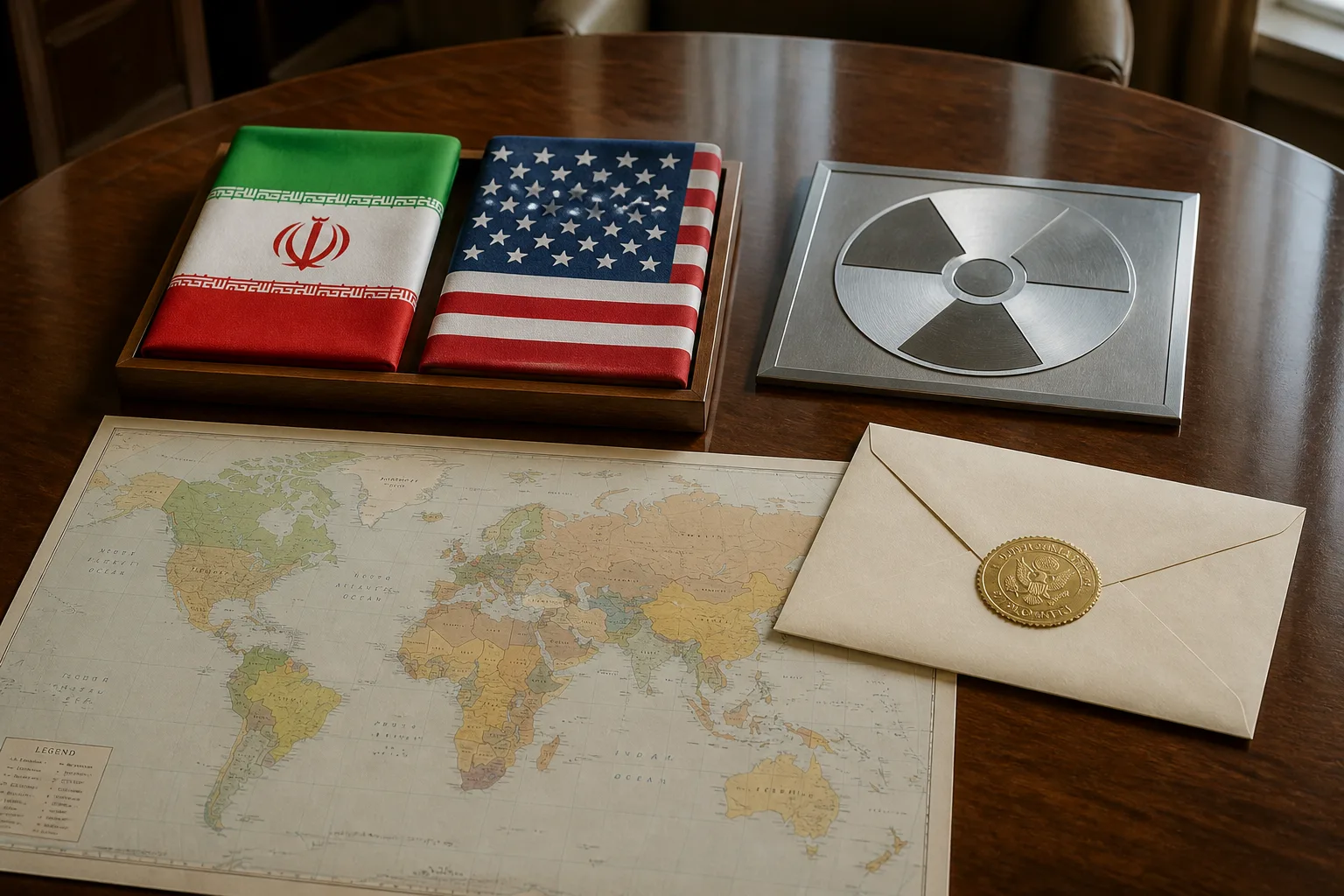
The decision comes after the United States, which has been pushing for Grossi’s involvement, was rebuffed by Iranian officials. According to the source, the Americans wanted the IAEA chief to attend the talks, but Tehran rejected the idea. The Iranian team’s stated goal is to fulfil Article 13 of the memorandum of understanding (MoU) signed between the two countries on 18 June. The MoU, brokered by Pakistan and Qatar, extends the ceasefire and lays the groundwork for a final settlement. It includes provisions for lifting the naval blockade of the Strait of Hormuz, clearing mines, and negotiating limits on Iran’s nuclear program.
Article 1 of the MoU obliges both sides to cease hostilities and to cooperate on the release of frozen Iranian assets and the removal of oil sanctions. The Iranian negotiating team is therefore prioritising these economic and diplomatic issues over the technical aspects of the nuclear programme.
The IAEA has been monitoring Iran’s nuclear activities since the 2015 Joint Comprehensive Plan of Action (JCPOA). In recent weeks, the agency has stated that it is ready to help formulate “concrete steps” for implementing the US‑Iran deal. However, the agency’s Director‑General has not confirmed a role in the Geneva talks, and the source indicates that Iran does not expect Grossi to be present.
The Geneva meetings are part of a broader series of indirect negotiations that began earlier this month. The talks are being facilitated by Oman, which has acted as an intermediary between the United States and Iran. The United States and Iran are also preparing to negotiate limits on Iran’s nuclear programme, the disposal of its highly enriched uranium, and the lifting of sanctions that have crippled the country’s economy.
The decision not to involve the IAEA chief in the Geneva talks reflects a broader shift in Iran’s diplomatic strategy. After the 2025 war with the United States and Israel, Tehran has focused on securing economic relief and restoring its international standing. The MoU’s emphasis on Article 1 and Article 13 signals that Iran is prioritising the release of assets and the removal of oil sanctions over technical nuclear safeguards.
The United States, meanwhile, has maintained that the IAEA’s involvement is essential for ensuring that Iran’s nuclear programme remains peaceful. The agency’s readiness to help formulate concrete steps has been reiterated in statements from the IAEA headquarters in Vienna. Nonetheless, the Iranian side has made it clear that it will not hold negotiations with Grossi.
The Geneva talks are scheduled to continue over the next few days, with the aim of finalising the technical details of the ceasefire extension and the conditions for lifting sanctions. The outcome of these talks will determine whether the United States and Iran can move beyond the temporary ceasefire and establish a lasting framework for nuclear non‑proliferation and economic cooperation.
At present, the next steps involve the Iranian negotiating team presenting its positions on Article 13 and the United States reviewing the IAEA’s proposals for concrete implementation measures. The international community will be watching closely to see whether the two sides can bridge the gap between the economic relief promised in the MoU and the technical safeguards required by the IAEA.
The situation remains fluid, and further developments are expected as the Geneva negotiations progress. The international community will likely assess the impact of the decisions made in Geneva on the broader stability of the Middle East and the future of Iran’s nuclear programme.