Australia Extends Fuel Excise Relief Through July Amid Middle East-Driven Price Surge
In a bid to shield Australians from the ripple effects of Middle East tensions, the Albanese government announced on 22 June 2026 that the temporary reduction in fuel excise and heavy‑vehicle road user charges will remain in force until the end of July.
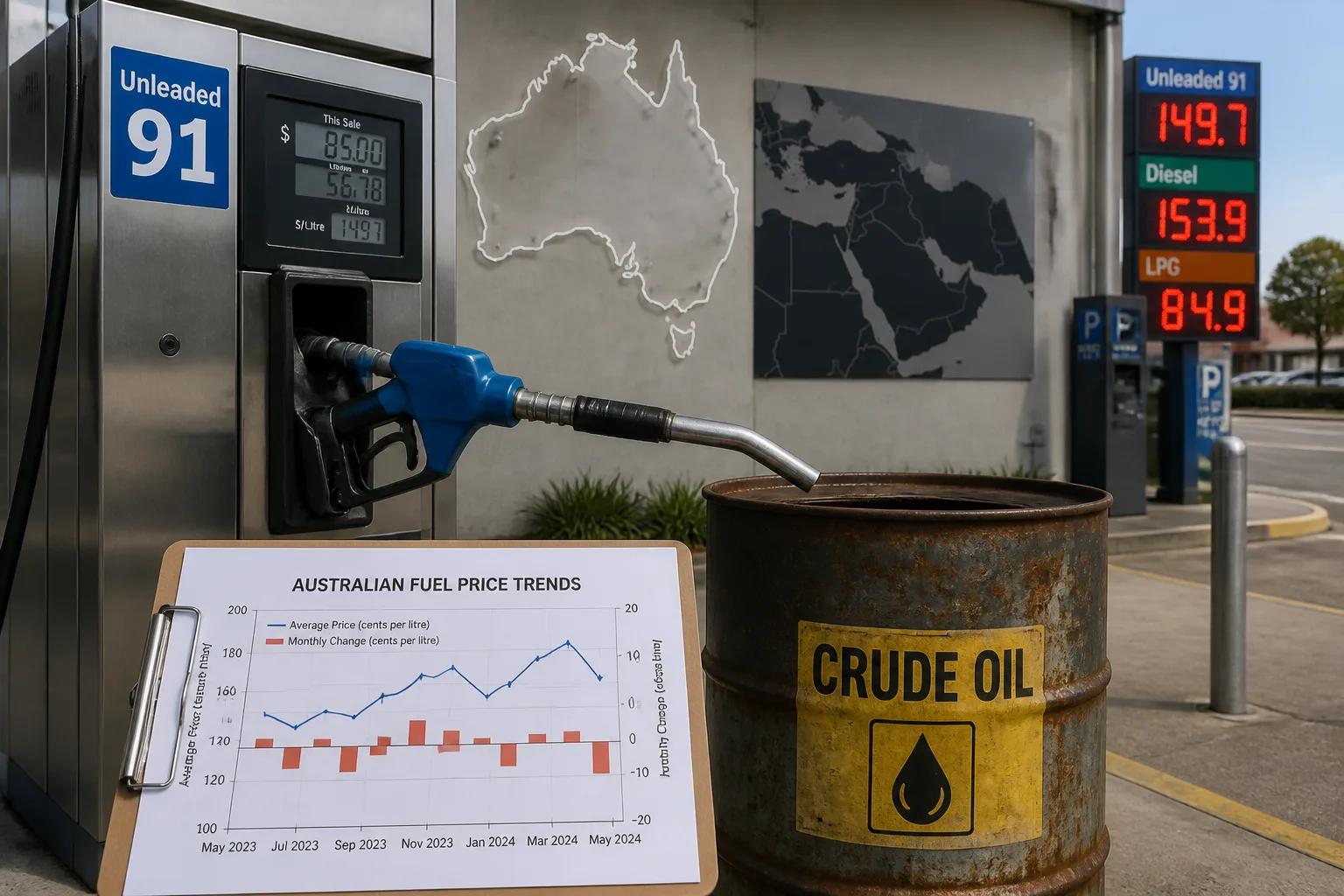
Under the measure, petrol and diesel will be 16 cents per litre cheaper than the normal excise rate, a relief that is expected to save motorists and transport operators an average of A$11 per tank. The excise on both fuels is set at 20.6 cents per litre, down from 52.6 cents that applied before the cut.
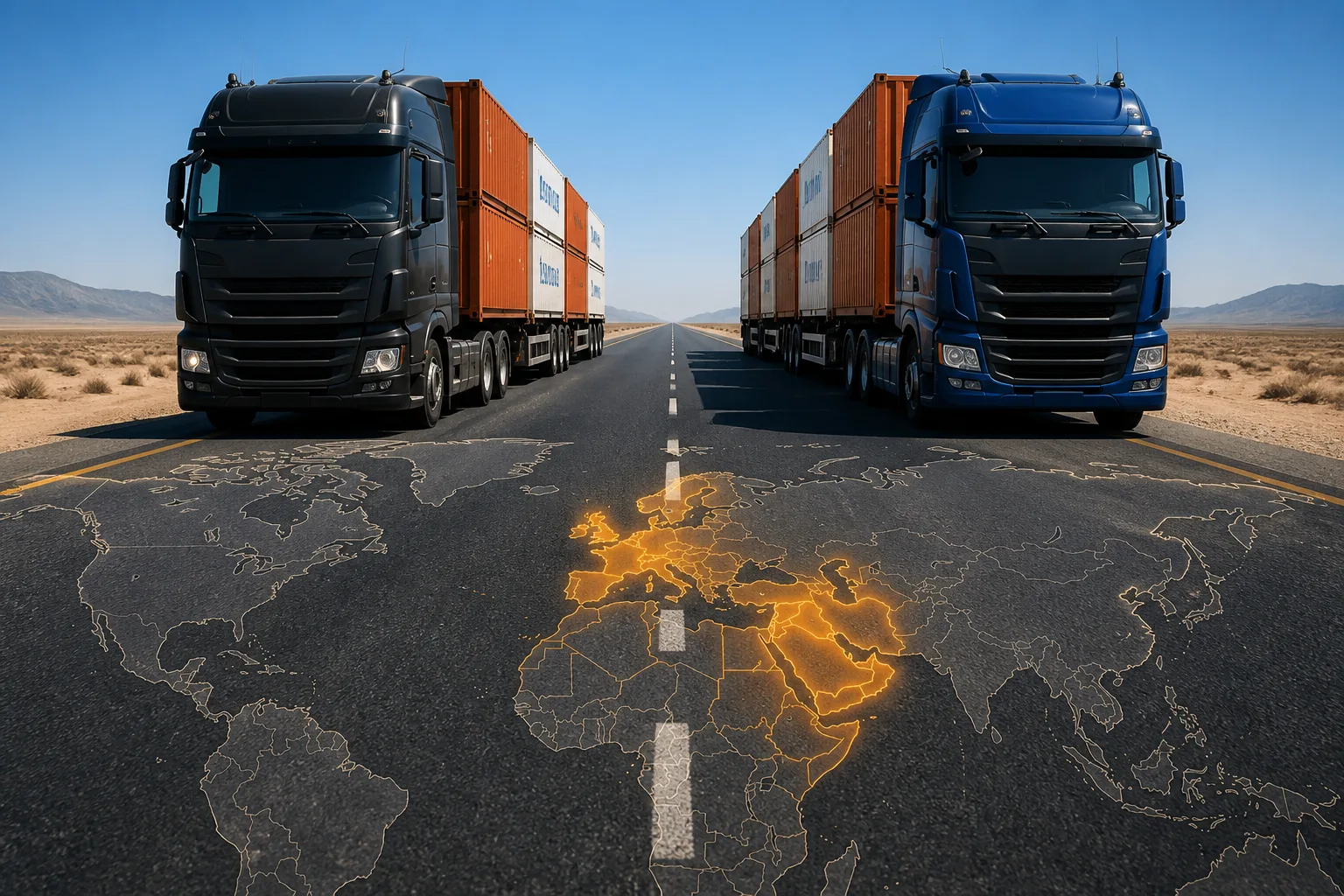
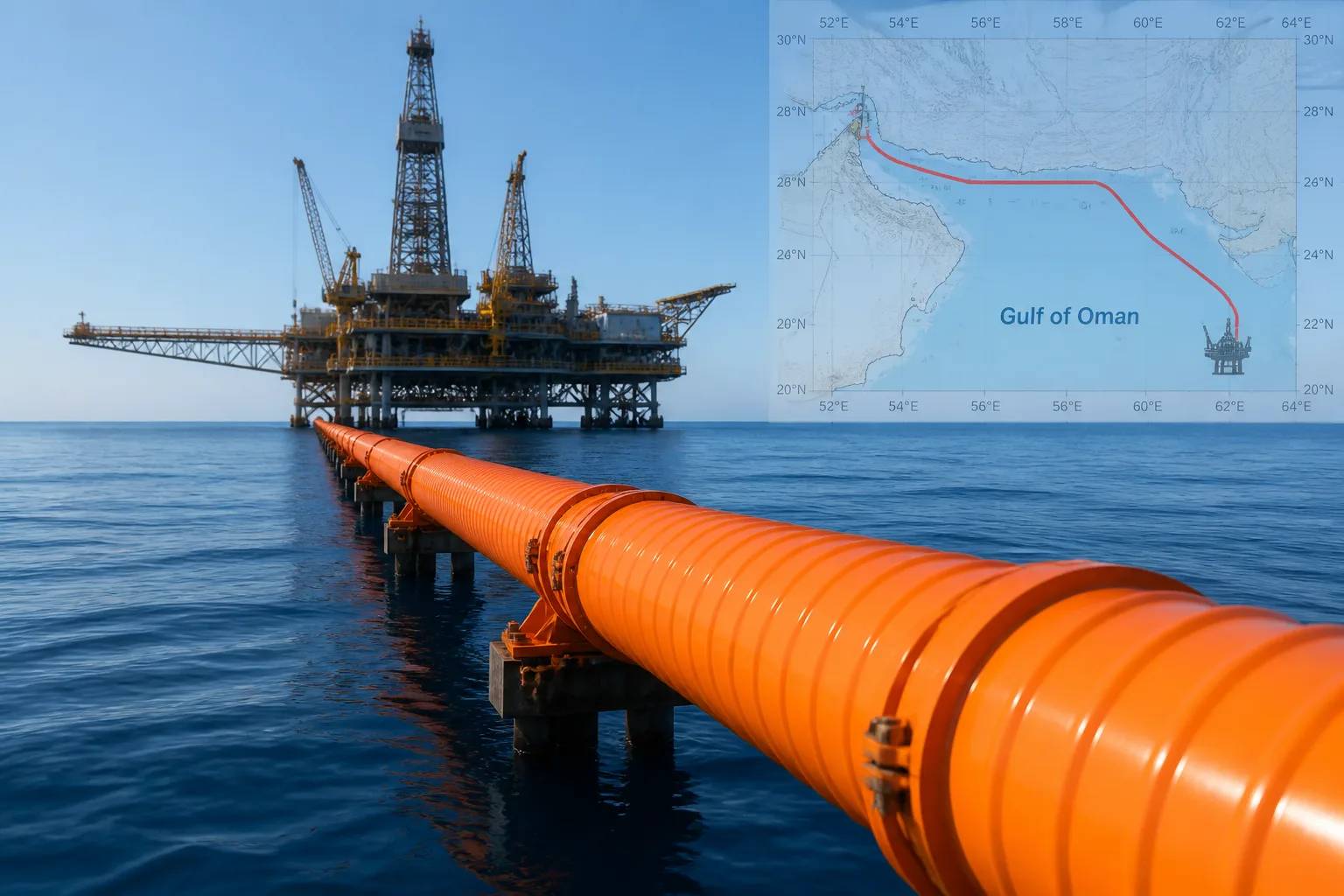
The extension follows emergency measures introduced after shipping disruptions in the Middle East—particularly the Strait of Hormuz—caused a sharp rise in global oil prices. Australia, which imports the majority of its petroleum products, has seen wholesale price increases translate into higher retail fuel costs. Officials said the relief is a short‑term response to the ongoing volatility in international energy markets.
Heavy‑vehicle operators can claim a fuel tax credit through their monthly or quarterly Business Activity Statement, and the heavy‑vehicle road user charge has been suspended for the same period.
"The temporary excise reduction and the suspension of the heavy‑vehicle road user charge are designed to ease the financial burden on households and businesses while the global market adjusts to the current supply disruptions," a government spokesperson said.
The decision comes amid a broader cost‑of‑living strategy. Inflation, housing costs, utility bills and transportation expenses have pushed Australian households into financial strain. Fuel prices are a key component of that strain, affecting not only personal travel but also the cost of goods and services that rely on freight and logistics.
In addition to tax relief, the government has taken steps to strengthen fuel security. Agencies have secured additional imports through international partnerships, released strategic reserves, and invested in infrastructure to reduce vulnerability to future disruptions. National Cabinet discussions have highlighted the importance of maintaining reliable access to energy resources and preparing for potential prolonged shocks.
The Strait of Hormuz remains a critical chokepoint for global oil trade. Any renewed tensions or closures could quickly affect oil markets worldwide. Analysts caution that while domestic tax cuts provide temporary relief, long‑term fuel price stability remains closely tied to international oil market conditions.
Politically, the fuel relief has entered a sensitive environment. Recent opinion polls show challenges for the ruling Labor Party and a rise in support for the far‑right One Nation party. Energy prices and cost‑of‑living concerns are major issues influencing public sentiment and could shape the next election.
The extension of fuel excise relief through July is the latest measure aimed at cushioning Australians from the economic impact of international events. The government has stated that the relief will continue to be reviewed as the global energy situation evolves.
While the temporary measures provide immediate financial assistance, the broader challenge of ensuring energy security and price stability remains a central issue for policymakers, businesses and consumers throughout the remainder of 2026.
The government will monitor fuel price trends and international developments closely, and will consider further adjustments to the relief package if necessary.
The decision to extend the relief reflects the Albanese Government’s broader approach to cost‑of‑living support, which includes tax cuts for workers, adjustments to capital gains tax, and measures to strengthen the domestic economy.
The fuel relief package is part of a wider strategy to mitigate the impact of global supply disruptions on Australian consumers and businesses, acknowledging that the country’s reliance on imported fuel leaves it exposed to developments beyond its borders.