UNICEF Chief Reports Unprecedented Violence and Humanitarian Crisis in Sudan
When Peter Power, the head of UNICEF in Ireland, walked out of Khartoum on 20 June 2026, he described the scene as “more than I have ever, ever experienced.” The three‑day visit left him stunned by the scale of violence and the systematic use of sexual assault as a weapon of war, especially against women and girls in western Darfur.
The conflict that erupted in April 2023 began as a power struggle between forces loyal to the Sudanese Armed Forces (SAF) under General Abdel Fattah al‑Burhan and the Rapid Support Forces (RSF) commanded by General Mohamed Hamdan Dagalo, known as Hemedti. What followed has become the world’s largest humanitarian crisis. According to UN data, 13 million people have been displaced, 19 million lack sufficient food—10 million of them children—and 3.6 million children are malnourished.
External support has intensified the fighting. Egypt, Iran and Saudi Arabia largely back the SAF, while the United Arab Emirates is widely linked to the RSF, despite official denials. Reports also mention Russian and Ukrainian forces operating in Sudan. An International Rescue Committee report notes that both factions profit from the country’s gold reserves, with large quantities of gold flowing out while advanced weapons are supplied in the opposite direction.
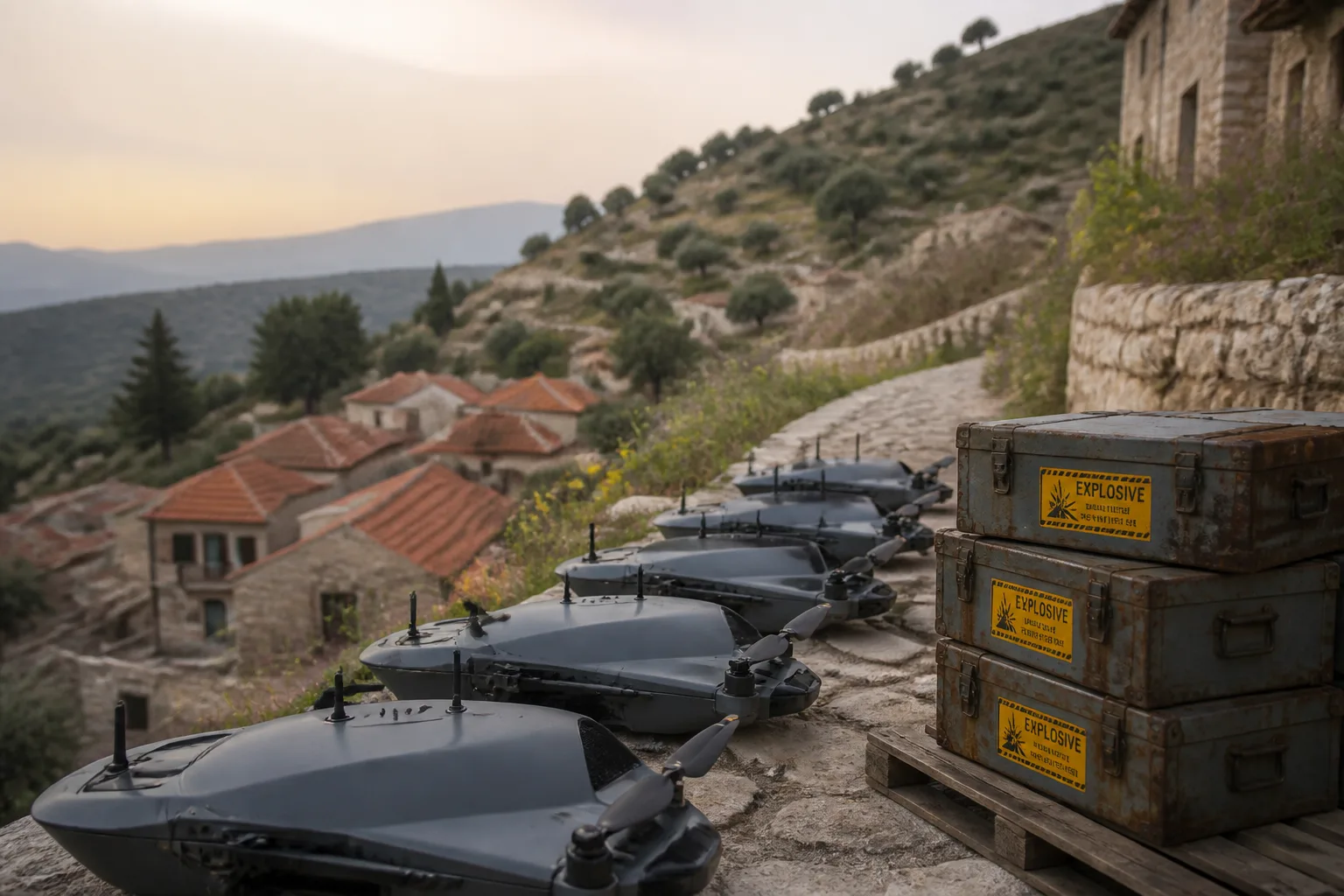
Drones have become a defining feature of the war. Power observed that even after the government retook most of Khartoum, drones continued to loiter overhead and targeted humanitarian convoys. UNICEF recorded four drone attacks on its convoys since the beginning of 2026. UN Human Rights chief Volker Türk said Sudan had seen a “sharp increase” in civilians killed by drone warfare—about a thousand people in the first five months of the year.
The city of El Fasher, the capital of North Darfur, fell to the RSF on 26 October 2025 after an 18‑month siege. A Guardian investigation described the subsequent massacre as “the fastest and largest killing spree this century.” The report also revealed that US and UK intelligence predictions of a massacre had been ignored. Between 60 000 and 70 000 civilians were reportedly killed in the El Fasher massacre.
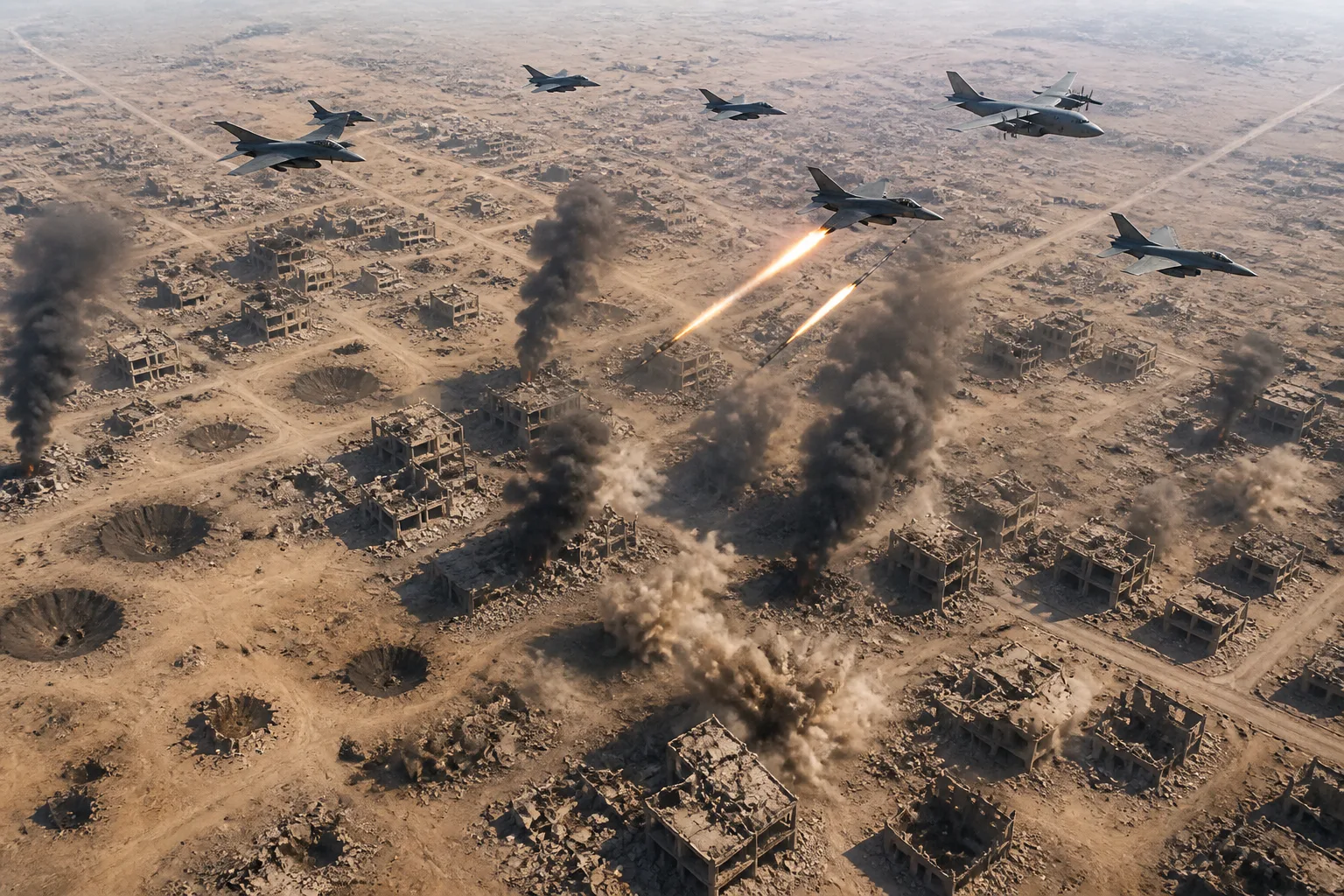
The war’s destruction is astronomical. Power said virtually no buildings in Khartoum were untouched, including the airport, and that the city’s modern infrastructure had been dragged back 20 to 30 years.
Funding for humanitarian work has collapsed. UNICEF reported a 71 % funding gap, disrupting essential services and forcing difficult decisions about where to operate. The gap is partly due to a sharp drop in European aid as EU countries increased defence spending, and to the dismantling of the US government aid branch USAID.
Experts see the conflict as an intractable struggle between two generals, with few countries willing to expend the political capital needed to broker a solution. Magnus Taylor, Deputy Director of the International Crisis Group, said attempts to generate more international attention have struggled because of competing global crises, including the Ukraine war and the US‑Israeli attack on Iran. He added that the conflict is now bound up with complex regional dynamics, including intra‑Gulf rivalries, that risk turning the Horn of Africa into a wider crisis.
UN Humanitarian Coordinator for Sudan, Denise Brown, warned that the war had entered its fourth year in April and that it should not be called a forgotten crisis. She said the conflict is an abandoned crisis.
The situation remains dire. The war continues with heavy fighting, widespread famine, and a humanitarian system that is increasingly unable to deliver aid. International actors are urged to address the funding gap, halt the supply of weapons to the RSF, and support investigations into war crimes.