European Bitumen Shift Triggers Cost Surge and Delays for African Road Projects
A sudden shift in Madagascar's bitumen supply chain has thrown the island's road‑building sector into turmoil, driving costs up by up to 50 percent and delaying projects by more than two months.
The change, from Gulf producers to European suppliers, has added 45–60 days to delivery times, a delay that has already caused project setbacks.
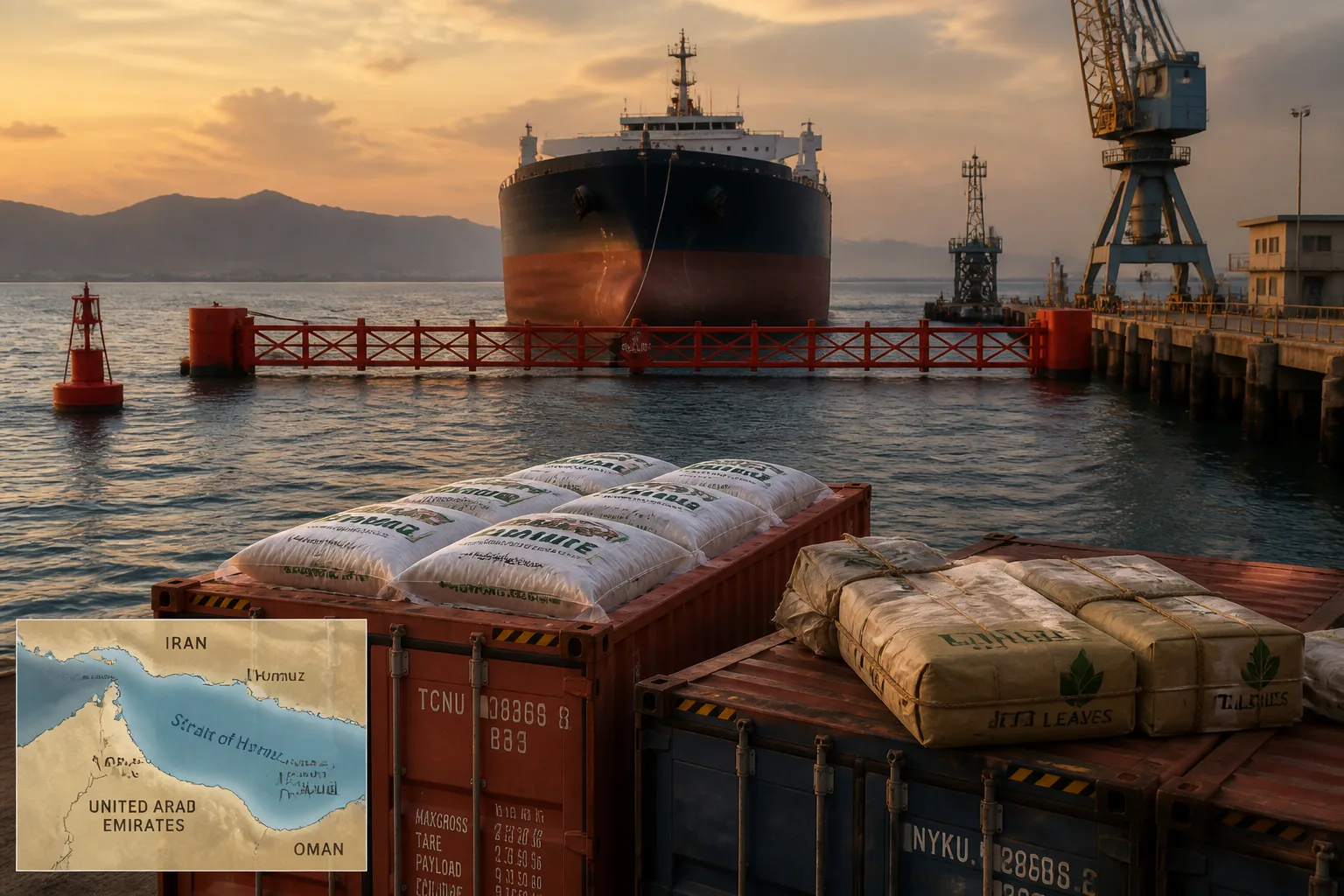
Colas director Richard Ferrazi told RFI that Madagascar has historically relied on bitumen shipped from the port of Jebel Ali in Dubai, passing through the Strait of Hormuz. "We import the raw material that lets us make asphalt. Without bitumen, we cannot make tar," Ferrazi said. "European bitumen has become the main source, but shipments take an extra 45‑60 days to arrive."
The stoppage was sudden; Ferrazi said some projects lost more than two months of progress. "We lost more than two months on some projects and are only now returning to normal," he added.
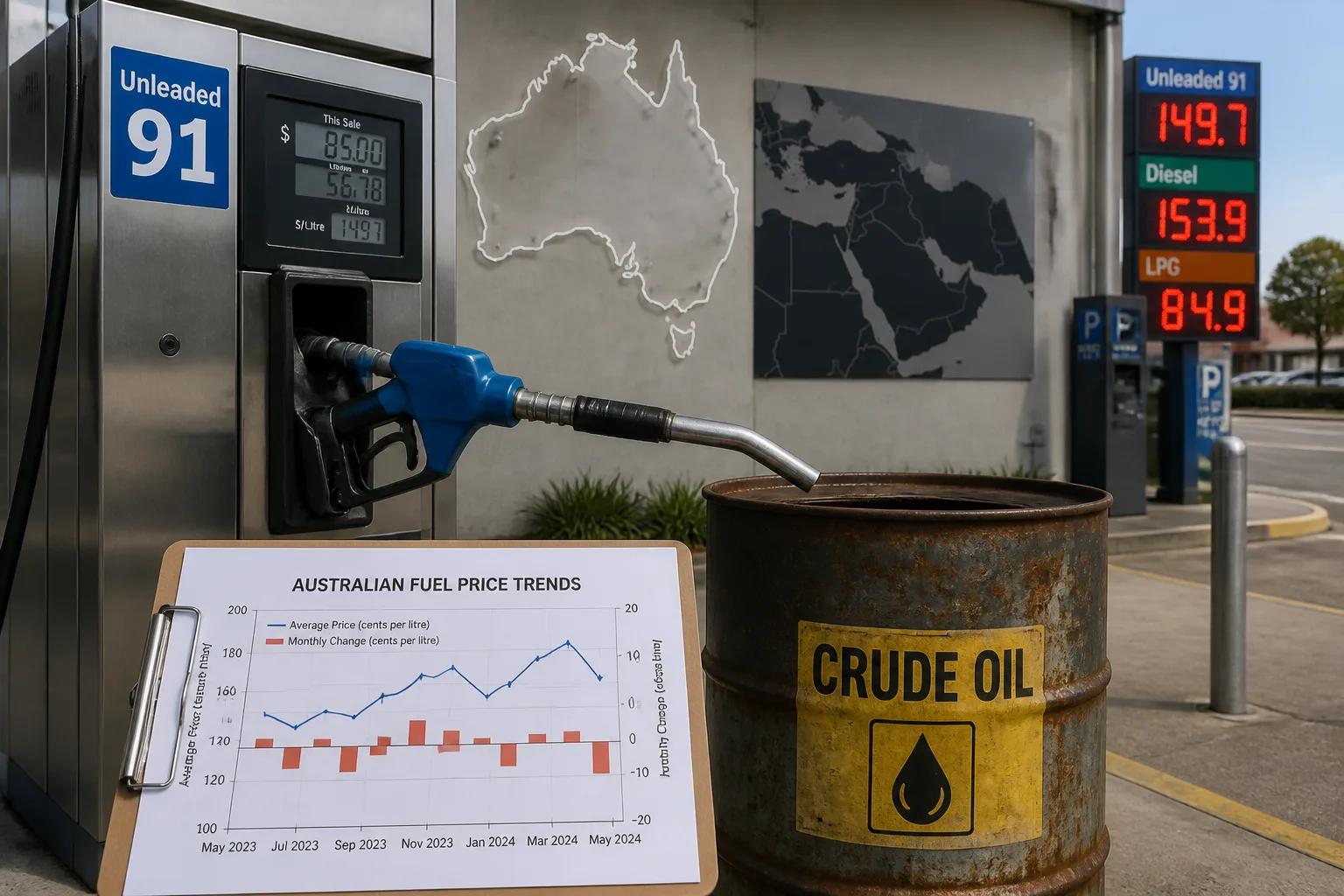
The price effect is already visible. Two months after the shift, bitumen prices in Madagascar are 40–50 percent higher than before. The rise is also affecting the finances of Inframad, the company that oversees building sites in the country. Deputy general administrator Dany Michael Ranivo said the higher cost can delay the release of bank guarantees or the allocation of resources to other projects.
The price surge is not limited to Madagascar. In Guinea, the price of a tonne of bitumen has risen by around $200 in three months, a jump of more than 20 percent. Mory Diaka Kaba, deputy director of Guinean road‑works firm Guiter, explained that some contracts include a price‑adjustment mechanism that allows firms to absorb the higher cost, while others do not, forcing contractors to cut margins or incur losses.
In Cameroon, construction giant MAG is building the entrance to Douala under a 30 billion‑CFA‑franc contract. Deputy director Stéphane Edouma said public procurement rules allow contract prices to be revised. "A request for a price review is being considered so the company can cover our costs," he said. He added that existing commitments have been maintained and no work stoppages have occurred.
The experience is prompting firms to rethink future tenders. Edouma said that future contracts will likely include provisions for supply delays and that contractors will plan ahead by creating buffer stocks. "Lessons will inevitably be learned from this sudden crisis," he said.
Kaba’s company is buying only the minimum quantities required under its contracts because storage has become impractical. He added that higher fuel costs also add to the burden, noting that a single piece of site machinery can consume more than 100 litres of fuel a day.
The shift from Gulf to European bitumen reflects broader changes in global supply chains. European producers, which previously played a supporting role, have become the main source for many African countries. The longer transit time and higher price have exposed the vulnerability of road‑building projects that depend on imported raw materials.
The situation underscores the importance of diversified supply chains and the need for contractual mechanisms that can absorb price volatility. While some firms have built in price‑adjustment clauses, others are forced to bear the cost, affecting project budgets and timelines.
The current state of affairs is that Madagascar and other African countries are coping with higher bitumen prices and longer delivery times. Companies are adjusting procurement strategies, and some are requesting price reviews under public procurement rules. The long‑term impact on infrastructure development remains to be seen, but the immediate effect is clear: road‑building projects are facing delays and increased costs.