UNICEF Chief Witnesses Unprecedented Violence and Humanitarian Collapse in Sudans War-Torn Regions
Peter Power, the Irish head of UNICEF, departed Khartoum after a three‑day visit that laid bare a level of violence he says has never been seen in any conflict he has witnessed.
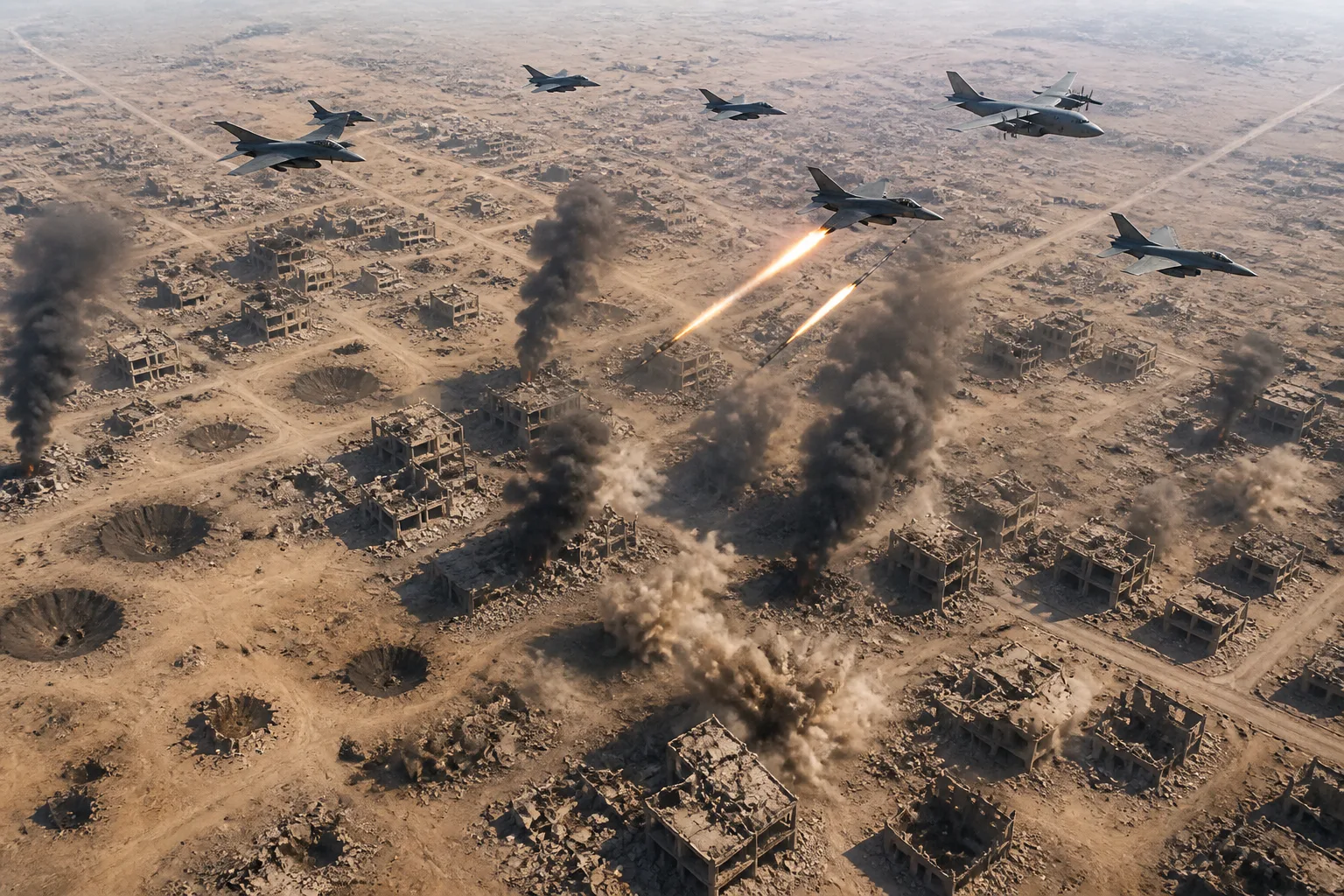
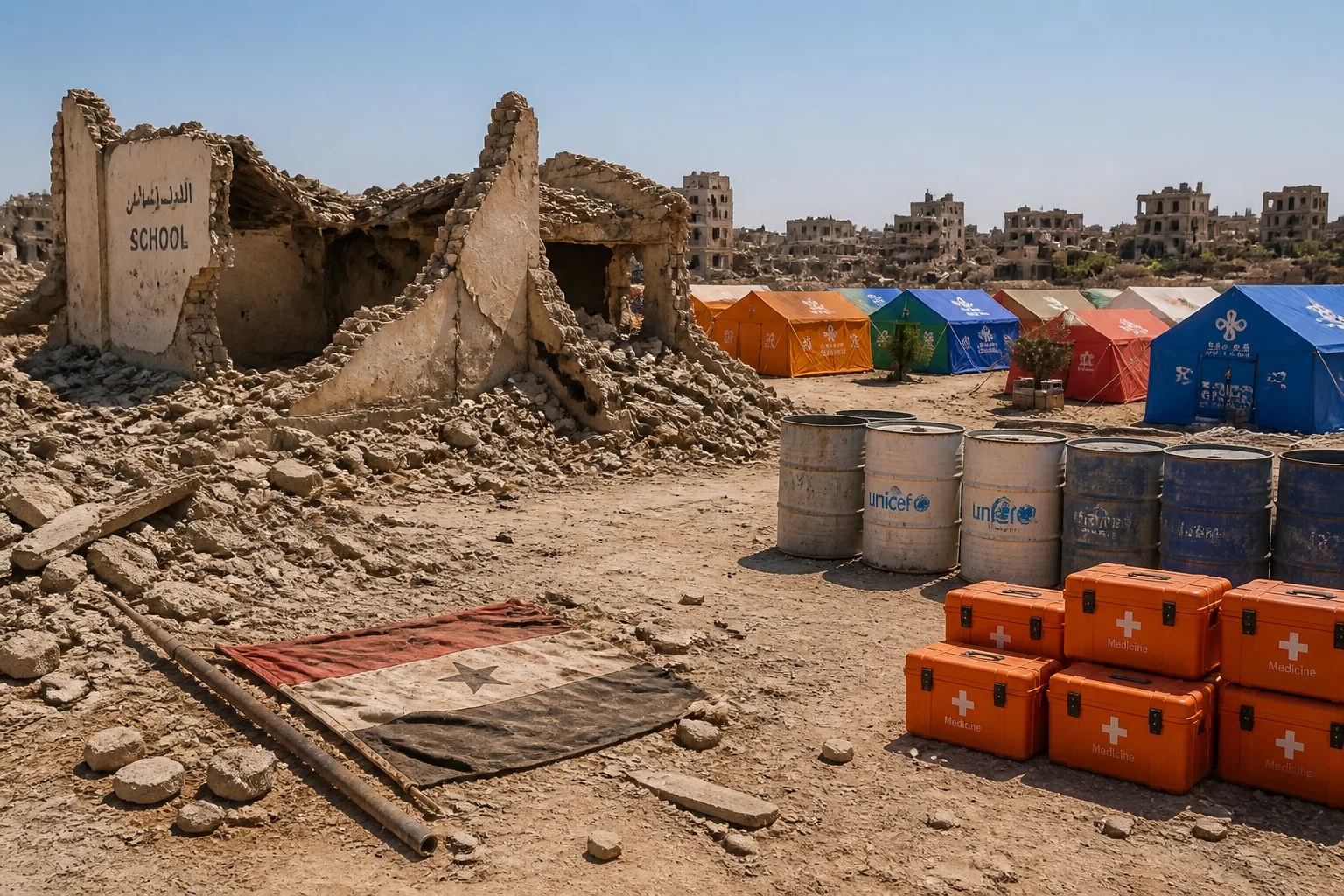
Power’s observations were stark: systematic sexual violence used as a weapon of war, most acutely in western Darfur where the Janjaweed militia once operated and the Rapid Support Forces (RSF) now dominate. He described the RSF’s seizure of El Fasher, North Darfur’s capital, in October 2025 after an 18‑month siege that left an estimated 60,000–70,000 civilians dead, with some satellite estimates reaching 150,000. The city’s infrastructure lay in ruins—an airport reduced to a bomb‑scorched shell and many buildings destroyed.
The Sudanese civil war, which erupted in April 2023, pits forces loyal to the Sudanese Armed Forces (SAF) under General Abdel Fattah al‑Burhan against the RSF commanded by General Mohamed Hamdan Dagalo, known as Hemedti. Both sides receive external support: Egypt, Iran and Saudi Arabia back the SAF, while the United Arab Emirates is widely linked to the RSF, despite official denials. Reports also suggest Russian and Ukrainian forces are active in the country.
UN data shows the war has displaced 13 million people, with 19 million lacking sufficient food, 3.6 million children classified as malnourished, and 10 million children among those who are food‑insecure. The conflict has also seen widespread sexual violence, with the UN Human Rights chief Volker Türk noting a sharp increase in civilian deaths from drone attacks—1 000 people killed in the first five months of 2026.
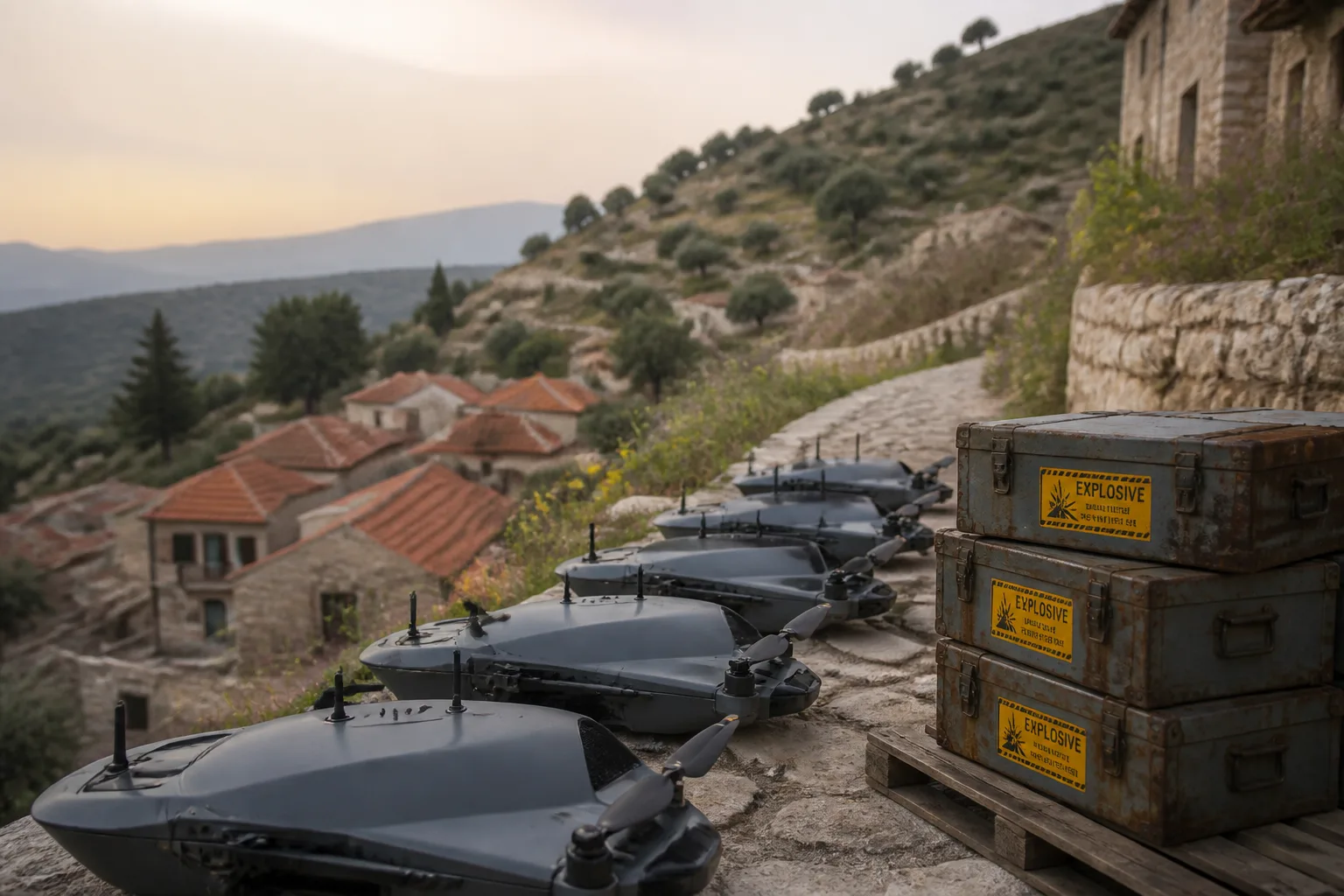
Power observed drones hovering over Khartoum and reported that humanitarian convoys are now routinely surveilled. UNICEF has documented four drone attacks on its convoys since the beginning of 2026.
The war’s scale has attracted little international attention. EU countries have redirected aid to defence spending, and the U.S. has dismantled the USAID branch that previously supported Sudan. UNICEF reports a 71 % funding gap, forcing difficult decisions about where to operate and which children can be reached.
Experts describe the conflict as an “intractable struggle” between two generals, with few regional actors willing to expend the political capital needed for a negotiated settlement. Magnus Taylor of the International Crisis Group notes that competing global crises—Ukraine, the U.S.–Israeli–Iranian tensions—have diverted focus from Sudan.
Denise Brown, UN Humanitarian Coordinator for Sudan, has warned that the war is an “abandoned crisis” as it enters its fourth year, calling for urgent action to address the humanitarian collapse.
The RSF’s use of sexual violence has been described as “beyond belief” by Power, who said he struggled to process the reports of atrocities he heard. The systematic targeting of women and girls echoes the Janjaweed’s actions during the 2003–2005 Darfur genocide.
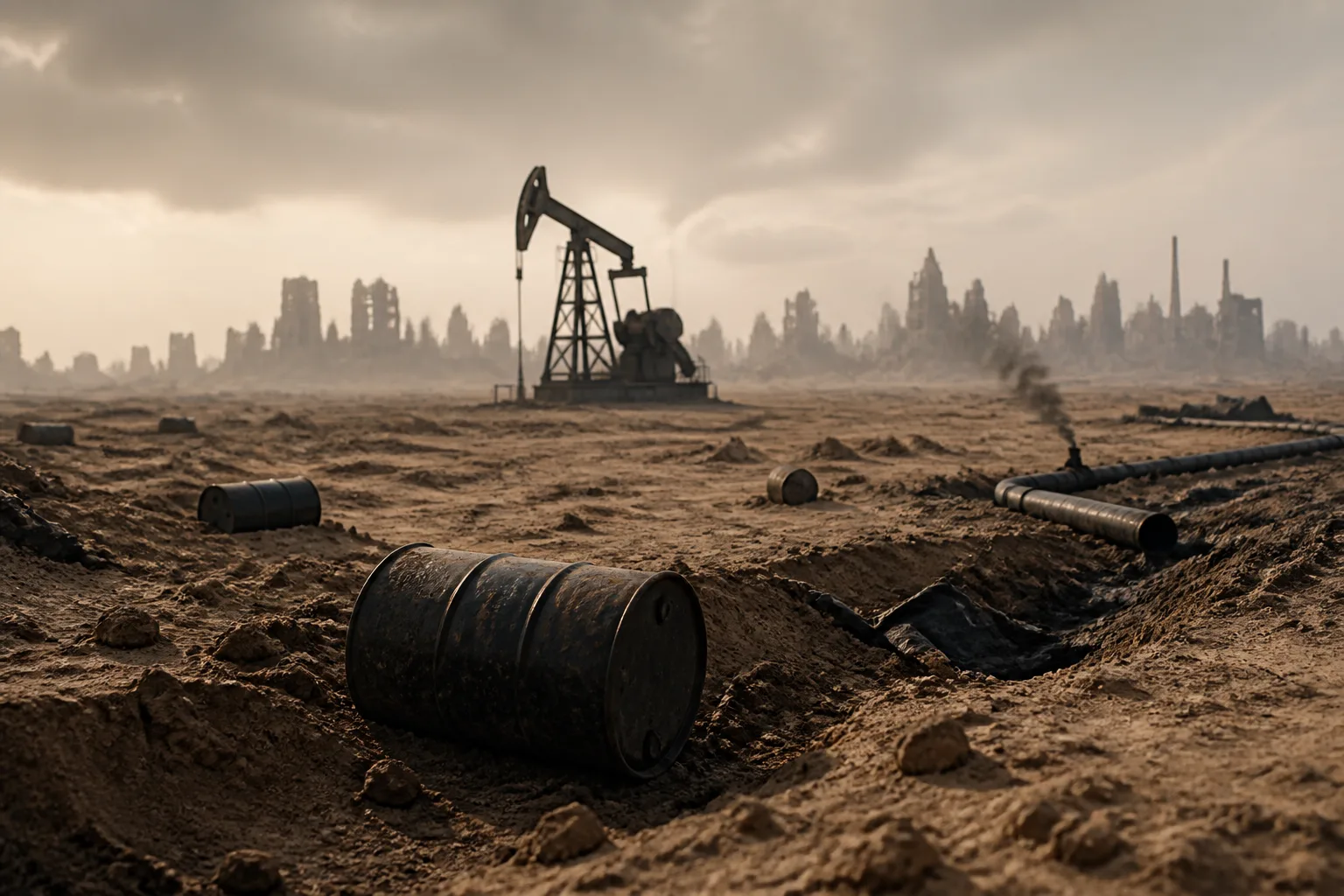
The war’s economic dimension is also significant. Gold exports flow out of Sudan, while advanced weapons move in, sustaining the fighting. The International Rescue Committee reports that both factions profit from the conflict, reducing incentives for peace.
In Khartoum, Power noted that the city’s modern infrastructure has been reduced to a 20‑30‑year‑old appearance. He described the airport as a “bombed‑out” site, with aircraft wreckage visible.
The humanitarian community faces a daunting task. With half the population in urgent need of assistance, the lack of funding and security challenges mean that many children remain without access to education, health care or basic services.
The international community’s response has been limited, and the war’s complex regional dynamics—particularly intra‑Gulf rivalries—continue to sustain the fighting. The situation remains dire, with no clear path to a negotiated settlement.
The current state of Sudan is one of widespread destruction, mass displacement, and a humanitarian crisis that has outstripped global attention and resources.