Arab Parliament Condemns Iranian Missile and Drone Attacks on Gulf States and Jordan, Calls for UN Action
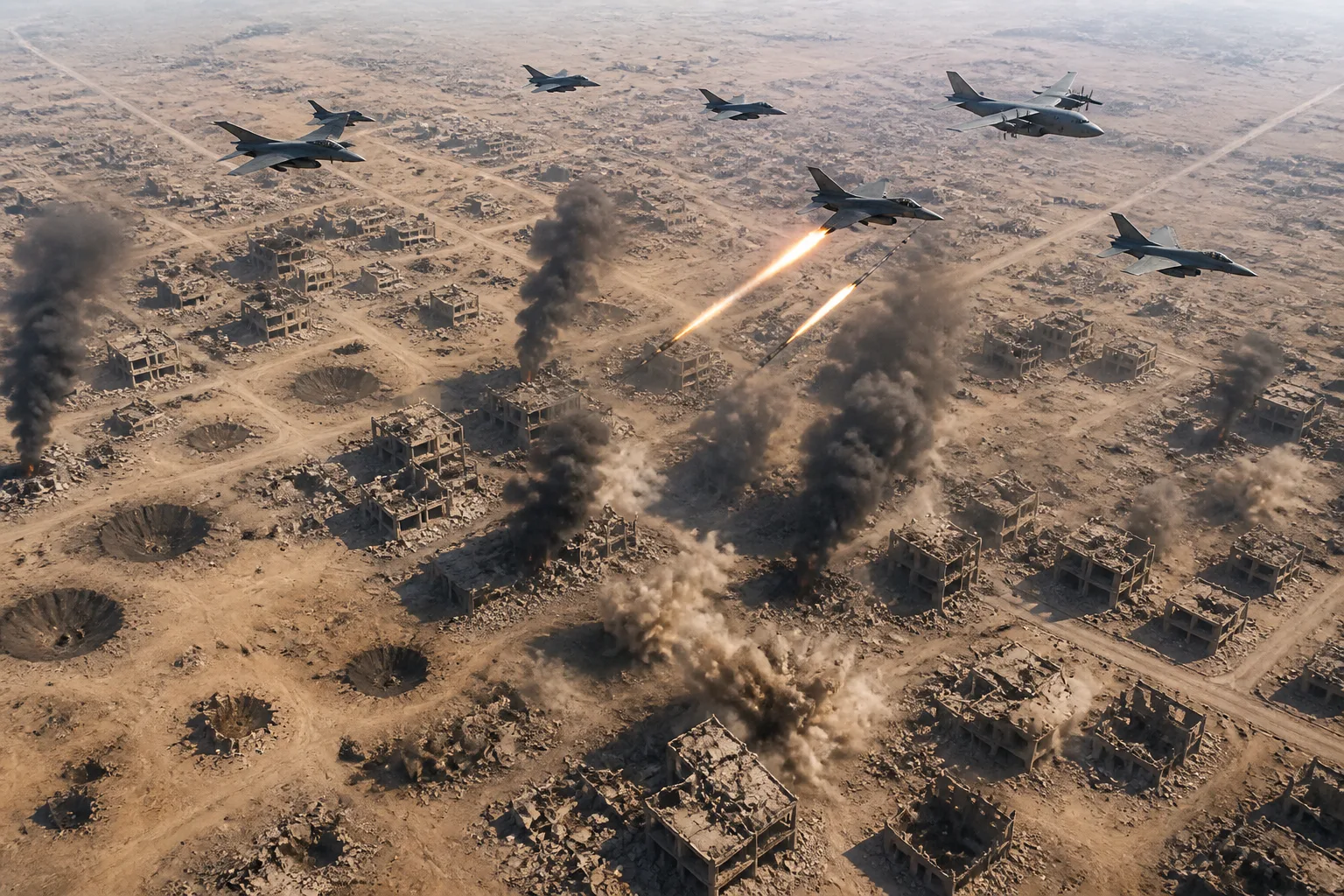
On July 12, 2026, the Arab Parliament delivered a stark rebuke to Iran after a relentless onslaught of missiles and drones struck Qatar, the United Arab Emirates, Kuwait, Bahrain, Oman and Jordan. The attacks, which began on February 28, 2026 and have continued without interruption, were described by the Parliament as a blatant violation of the sovereignty of Arab states and a breach of international law and the United Nations Charter.
Speaker Mohammed bin Ahmed Al Yamahi, a member of the United Arab Emirates, opened the statement by warning that the barrage represents a dangerous escalation threatening regional security and stability. He called the assaults a “flagrant violation” of state sovereignty and an “unjustified aggression” that contravenes the principles of the UN Charter.
In the same address, the Arab Parliament reaffirmed its full solidarity with the affected countries. It pledged support for every measure those states take to protect national security, preserve sovereignty and safeguard citizens and residents. The Parliament stressed that any infringement of the security, sovereignty or territorial integrity of an Arab state poses a direct threat to the wider Arab national security system and demands a firm response from Arab countries and the international community.
Al Yamahi urged the international community, especially the United Nations Security Council (UNSC) and the UN, to fulfill their political, legal and moral responsibilities by taking urgent and decisive action to halt the attacks. He called for efforts to hold those responsible accountable, to ensure respect for states’ sovereignty and territorial integrity, and to uphold international law and the UN Charter. Such measures, he said, are essential to prevent further escalation and preserve regional and international peace and stability.
The attacks have already caused casualties and damage. In Qatar, air defenses intercepted incoming Iranian fire, injuring three people, including a child, according to a statement released by the Qatari foreign ministry. The United Arab Emirates, Bahrain, Saudi Arabia, Oman, Qatar, Kuwait and Iraq have all reported missile and drone strikes, with the UAE and Saudi Arabia recording the highest number of launches.
The Arab League’s ministers also condemned the assaults. A video‑conference meeting held on July 9, 2026 saw ministers from the Gulf states and Jordan express their outrage and call for collective action. Qatar’s Minister of State for Foreign Affairs, Sultan Saad Al Muraikhi, described the attacks as “unlawful and reprehensible” and urged the Arab League to take decisive steps.
Under Chapter VII of the UN Charter, the UNSC can identify threats to peace and authorize responses, including sanctions or the use of force. The Arab Parliament’s call for UNSC action reflects the view that the attacks constitute a threat to international peace that requires a coordinated response.
The situation remains fluid. While the Arab Parliament has called for a UNSC meeting, no resolution has yet been adopted. The attacks continue to raise concerns about the stability of the Gulf region and the broader Middle East. The international community, including the United States and European allies, has expressed support for the Arab states’ right to defend themselves.
In summary, the Arab Parliament’s statement represents a unified Arab response to the Iranian attacks, emphasizing the violation of sovereignty, the need for international accountability, and the importance of UN action to safeguard regional stability.