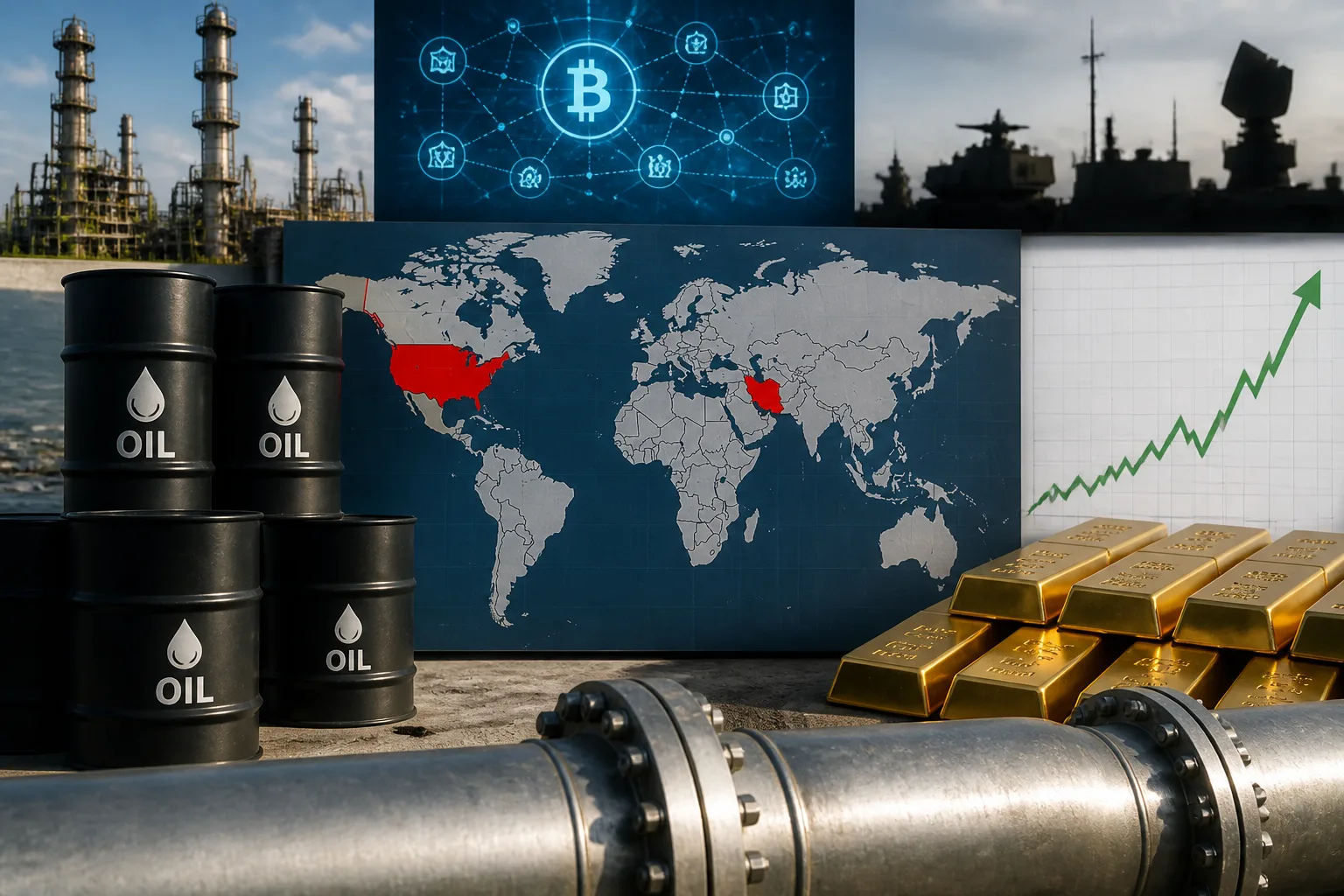
US-Iran Escalation Drives Oil Prices Up 5% as IRGC Strikes U.S. Bases; Gold and Bitcoin Decline
Oil prices surged 5% on a day when the United States and Iran stepped into a new phase of military confrontation, sending shockwaves through global markets.
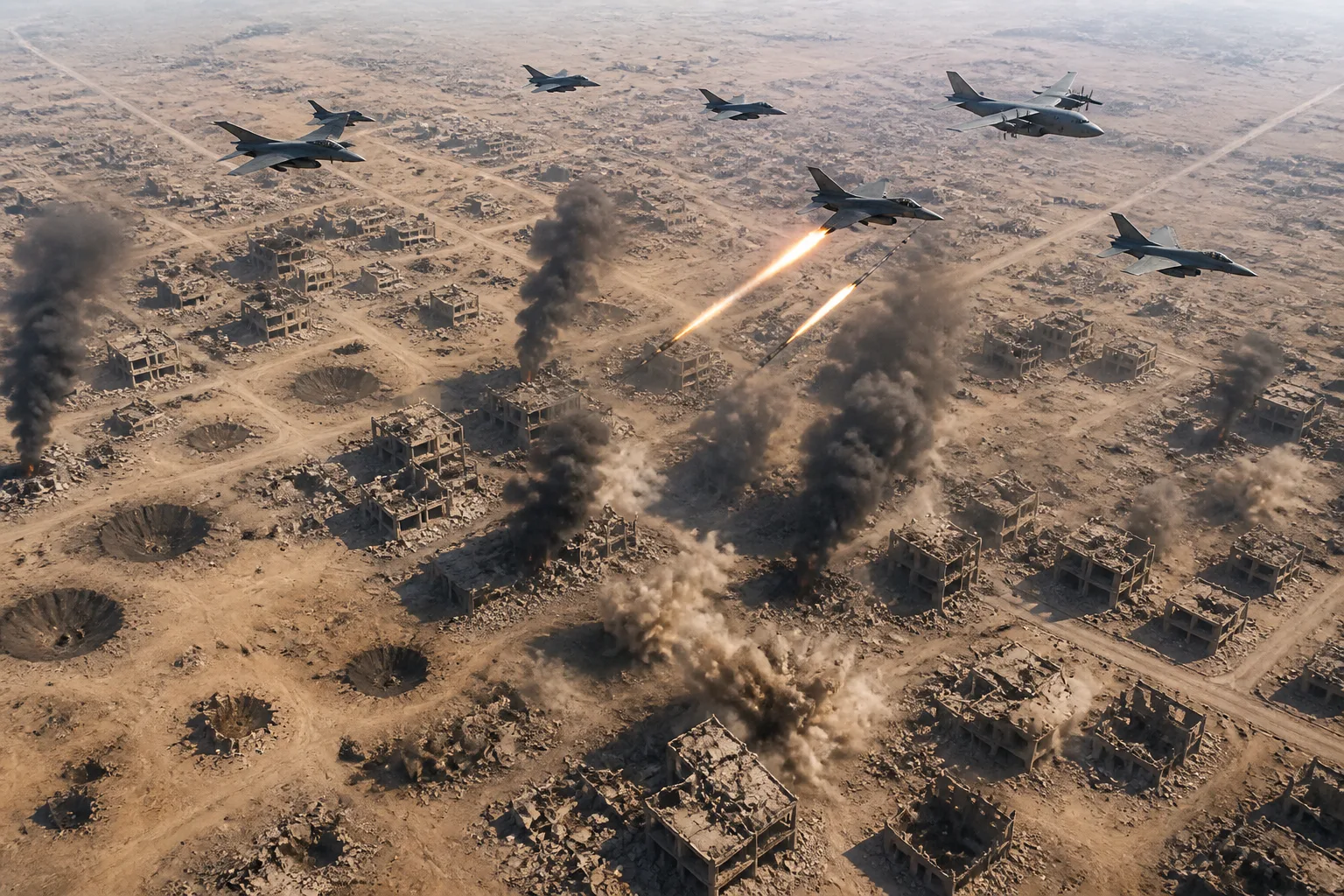
On 13 July 2026, Iran’s Islamic Revolutionary Guard Corps (IRGC) announced missile and drone strikes on U.S. military installations across the Gulf—bases in Kuwait, Bahrain, Jordan, Qatar and the U.S. Navy’s Fifth Fleet headquarters in Bahrain. In the days that followed, U.S. Central Command (CENTCOM) reported striking more than 80 Iranian targets, including air‑defence systems and coastal radar sites, as retaliation.
The IRGC claimed its attacks destroyed fuel and ammunition depots at Prince Hassan Airbase in Jordan, facilities at the Fifth Fleet headquarters and Sheikh Issa Airbase in Bahrain, and fuel tanks, Patriot air‑defence systems and radar at Ali Salem and Ahmad Al‑Jaber bases in Kuwait. These claims were reported by Sputnik and echoed in the IRGC’s own statements, while CENTCOM described the U.S. operations as aimed at degrading Iran’s ability to threaten commercial shipping through the Strait of Hormuz.
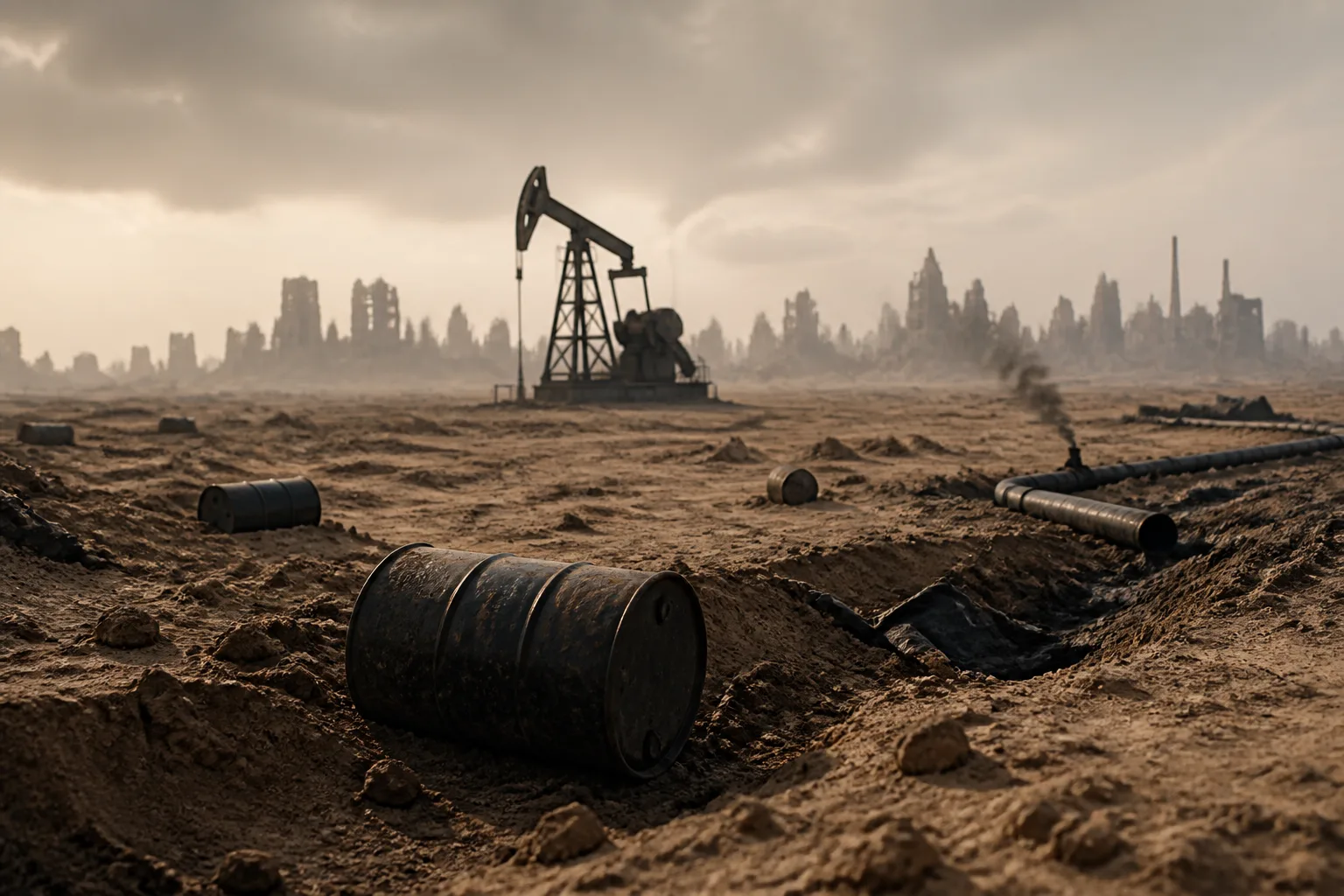
The announcement that Iran had closed the Strait of Hormuz—a narrow waterway that links the Persian Gulf to the Gulf of Oman—triggered an immediate reaction in energy markets. Oil prices rose by roughly 5 %, taking West Texas Intermediate (WTI) above $90 a barrel for the first time since the 2019‑2020 slump. The surge reflected market fears that the closure could curtail the flow of about 20 % of the world’s seaborne oil and 25 % of liquefied natural gas (LNG) that transit the strait.
The market response was amplified by a stronger U.S. dollar, with the dollar index (DXY) climbing above 101—a level that typically exerts downward pressure on commodities priced in dollars. Meanwhile, the U.S. 10‑year Treasury yield rose to around 4.60 %, nearing a seven‑week high, as investors weighed the Fed’s upcoming inflation data and a scheduled testimony by Fed Chair Kevin Warsh.
Precious‑metal and cryptocurrency markets also felt the shock. Gold fell 1.55 % to a low of $4,050 per ounce, silver dropped nearly 3 %, and Bitcoin, which had been trading near $64,000, slipped more than 2 % to $62,769. The 24‑hour range for Bitcoin widened between $62,806 and $64,340, while trading volume increased by 22 % as investors repositioned portfolios amid heightened geopolitical risk.
The escalation follows a series of events that began in February 2026, when Israel and the United States launched a joint strike on Iranian targets that included the assassination of Supreme Leader Ali Khamenei. Since then, both sides have exchanged multiple rounds of air and missile attacks, targeting each other’s military infrastructure. The most recent U.S. strikes, announced by CENTCOM on 12 July, were described as the “third wave” of attacks aimed at reducing Iran’s capacity to threaten shipping.
Iran’s decision to close the Strait of Hormuz is unprecedented in the region’s recent history. While the strait has faced threats in past conflicts, it had not been shut for an extended period before the 2026 war. The closure has forced shipping companies to seek alternative routes and has raised insurance costs for tankers that would otherwise transit the narrow passage.
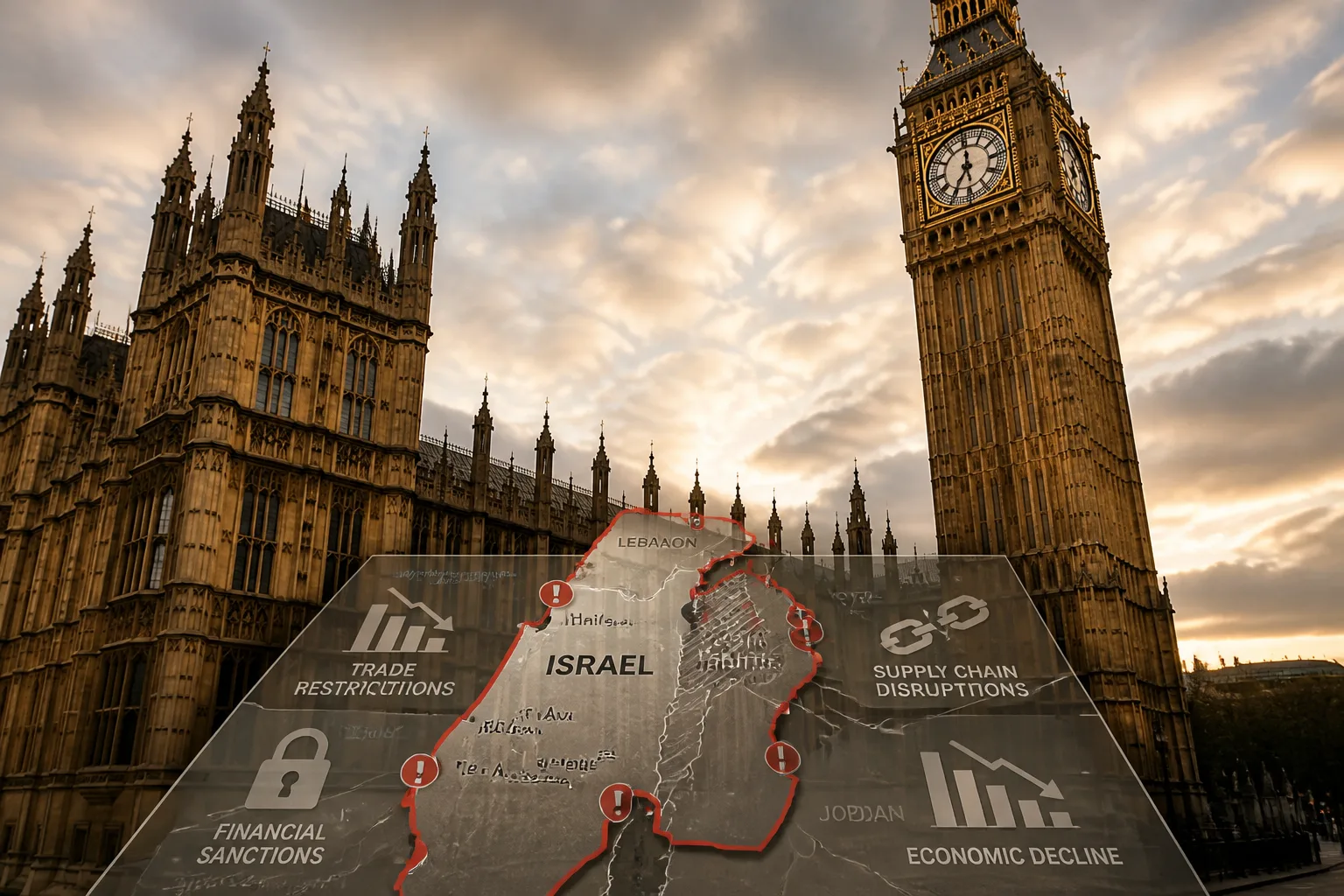
The economic fallout is already visible beyond oil. The rise in energy prices has pushed inflationary expectations higher, prompting the U.S. Treasury to issue new bonds at a record yield. Meanwhile, the decline in gold and Bitcoin has reduced the appeal of these assets as hedges against geopolitical turmoil, a trend that analysts note is contrary to historical patterns where such assets typically rise during conflict.
Regional actors have reacted cautiously. Gulf Cooperation Council (GCC) states have called for restraint, while European and Asian governments have expressed concern over the potential for a broader disruption of global trade. The United Nations has urged both parties to de‑escalate, citing the risk to civilian shipping.
As of the latest reports, the U.S. and Iran have not yet agreed on a cease‑fire. The situation remains fluid, with both sides continuing to conduct military operations. Market participants are closely monitoring the U.S. Treasury’s upcoming inflation data and the Fed Chair’s testimony for clues on how U.S. monetary policy might respond to the heightened geopolitical risk.
In summary, the IRGC’s strikes on U.S. bases and the closure of the Strait of Hormuz have triggered a 5 % spike in oil prices, a decline in gold and Bitcoin, and a tightening of global financial markets. The ongoing conflict between the United States and Iran continues to pose significant risks to energy supply chains, commodity markets, and international security.