US-Iran Escalation Threatens Strait of Hormuz, Sends Oil Markets Reeling
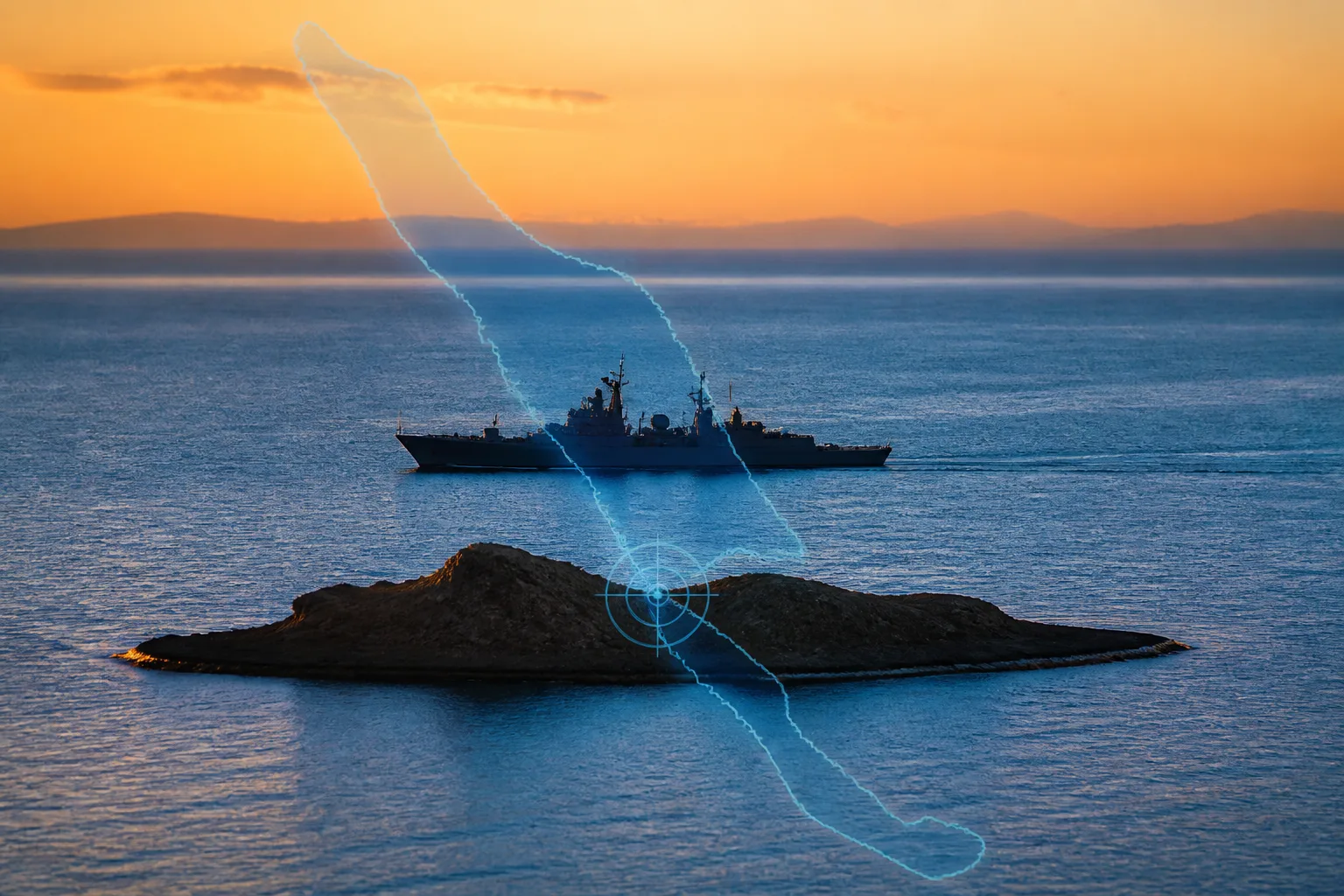
The Strait of Hormuz, the world’s most critical maritime chokepoint, rattled on 7 July when U.S. Central Command launched a new series of precision strikes against Iranian military targets in the Persian Gulf. The operation followed an Iranian attack on a U.S.‑aligned asset in Kuwait that damaged an onshore drilling platform. The U.S. stated that the strikes were intended to "degrade Iran’s ability to attack commercial shipping" in the Strait.
Iran’s response was swift and decisive. Tehran struck back at U.S. military installations in Bahrain, Kuwait and Jordan, and the Iranian foreign ministry declared the attacks a violation of the two‑month‑old ceasefire and a "practical nullification" of the agreement. Tehran also announced that the Strait of Hormuz was closed – a claim that the U.S. and its allies reject.
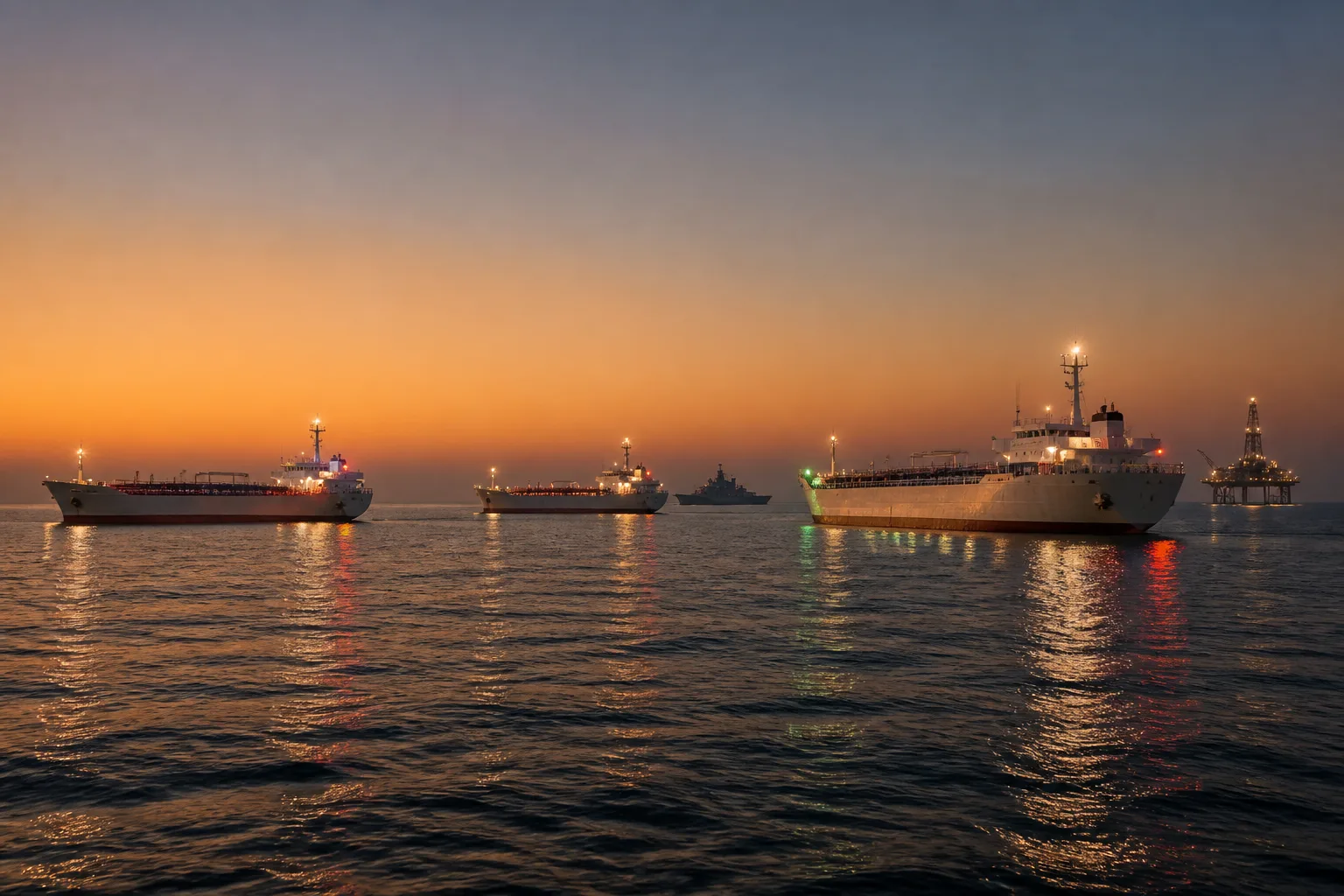
The Strait remains a linchpin of global trade: roughly 25 % of seaborne oil and 20 % of liquefied natural gas pass through its 104‑mile channel. The U.S. maintains that the waterway is open and that commercial traffic continues, citing the presence of U.S. naval forces and the absence of a formal blockade.
Adding to the growing perception of instability, the United Kingdom Maritime Trade Operations (UKMTO) reported that an unidentified projectile struck a tanker 9 nautical miles east of Oman. The UKMTO classified the threat level in the Strait as "severe," its second‑highest rating. No casualties were reported.
The latest flare‑up follows a week of escalating attacks on ships transiting the Strait. President Donald Trump, in a statement on Friday, declared the ceasefire "over" and said he no longer wanted a deal. He added that the United States would continue talks if Tehran requested them.
Oil markets have already felt the impact. The International Energy Agency (IEA) warned that the renewed hostilities could undermine its forecast of a global oil surplus in 2027. The IEA’s July 2026 Oil Market Report noted that the recent escalation "clouds" the outlook, even as June data showed a partial rebound in tanker traffic after the Strait reopened.
OPEC+ has pledged to continue output increases to support the market, but the IEA expects a decline in consumption in 2026 and a surplus toward the end of the year. Analysts say that if the Strait remains closed or traffic is significantly reduced, the market could swing toward oversupply, potentially driving prices below the 38.2 % Fibonacci level and the EMA200 resistance cluster.
Financial commentator Nikos Tzabouras, a senior writer at ArabWorldNews.com, notes that the current situation illustrates the growing influence of geopolitics on commodity markets. He emphasizes that while technical analysis remains useful, fundamentals and political developments are now equally decisive.
The U.S. has not indicated that it will expand the scope of its operations beyond the current strikes. Officials said that the campaign is aimed at preventing further attacks on commercial shipping and protecting U.S. interests in the Gulf.
In the absence of a new ceasefire, the United Nations and several regional actors have called for restraint. The United Nations Security Council has passed resolutions condemning Iran’s retaliatory strikes on Gulf states, while the U.S. has maintained that it is acting within its right to defend shipping lanes.
The situation remains fluid. The U.S. and Iran have not yet agreed on a new framework for de‑escalation, and the Strait of Hormuz continues to be a flashpoint for potential conflict. Market participants are closely monitoring the threat level and the volume of tanker traffic as indicators of future oil price movements.
In summary, the latest U.S. strikes and Iran’s retaliatory attacks have reignited tensions over the Strait of Hormuz, disrupted maritime security, and introduced uncertainty into global oil markets. The outcome will depend on diplomatic negotiations, the ability of both sides to control further violence, and the resilience of shipping lanes in the Persian Gulf.