Dollar Strengthens Amid Renewed U.S.-Iran Hostilities, Oil Prices Surge
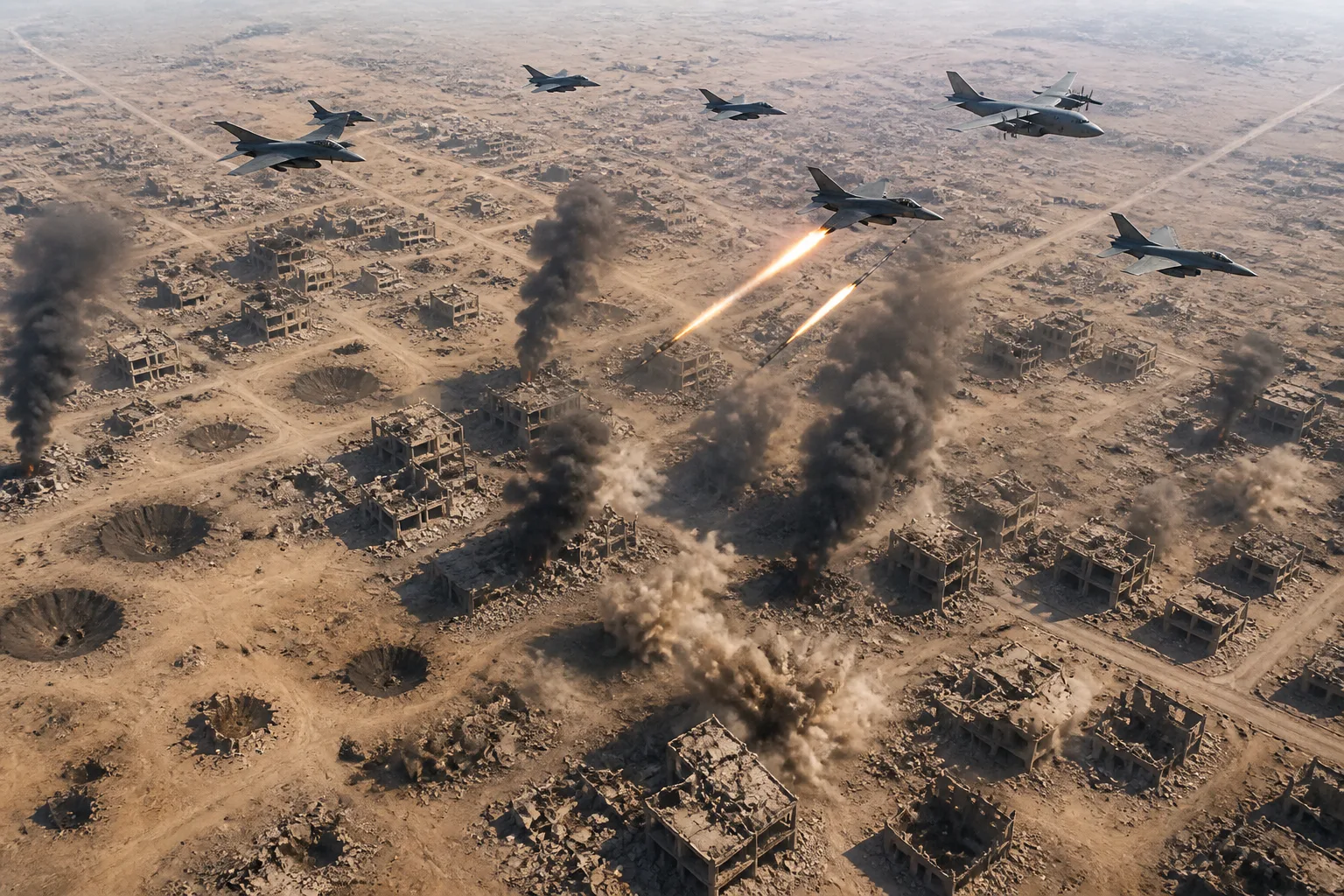
On July 13 2026, the U.S. dollar surged against most major currencies, a move analysts tied to a fresh flare‑up between U.S. and Iranian forces. Tehran launched missile and drone attacks on U.S. facilities in Gulf states and announced a new closure of the Strait of Hormuz, a critical shipping lane for global oil supplies.
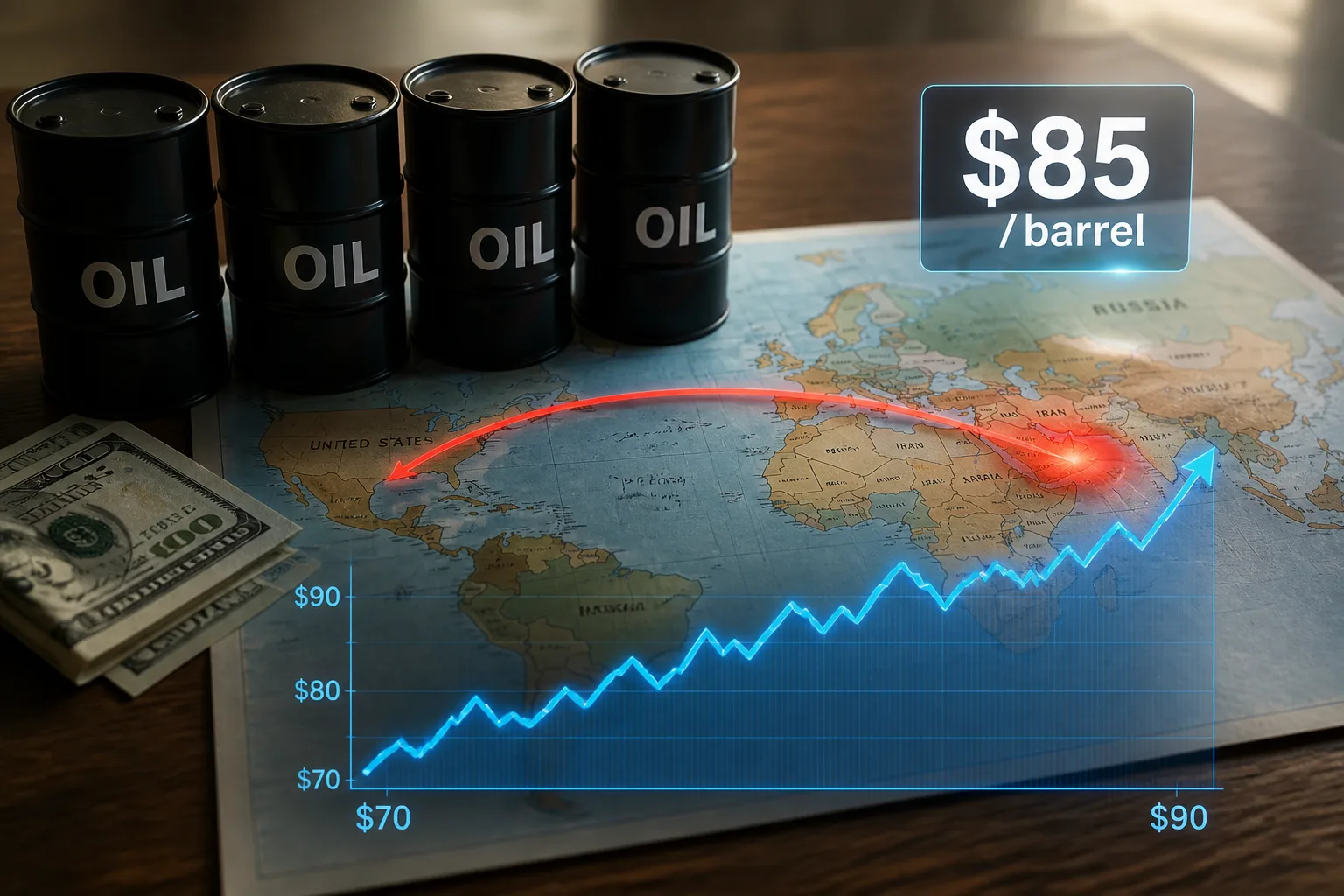
The escalation pushed Brent crude futures up 4.1 % to $79.11 a barrel, inflating expectations of higher energy costs. Investors now reassess the likelihood of further U.S. Federal Reserve rate hikes.
In market terms, the dollar rose 0.2 % against the Japanese yen, trading at 162.075 yen. The euro slipped 0.1 % to $1.1397, and the pound fell 0.2 % to $1.3374. The Australian dollar was down 0.3 % at $0.6928, while the New Zealand dollar eased 0.1 % to $0.5757. The U.S. dollar index, which measures the greenback against a basket of six currencies, climbed 0.1 % to 101.13 after earlier touching its highest level since July 8.
"After the flare‑up into the end of last week which continued over the weekend, the dollar has responded, and the crude oil price has been the driver," said Tony Sycamore, market analyst at IG in Sydney. "This reinflames concerns that if the energy prices rise from here, we could start to see rate hikes pulled forward."
Fed funds futures now imply a 50.9 % probability of two or more rate hikes by the Federal Reserve’s December meeting, up from 47.6 % on Friday, according to the CME Group’s FedWatch tool. The market is also braced for the release of U.S. consumer price index data on Tuesday and producer price index data on Wednesday, as well as testimony from Fed Chair Kevin Warsh before the House and Senate.
The Bank of Japan may revise its economic growth forecast for fiscal 2026 upward and maintain a focus on the risk of an inflation overshoot, according to three sources familiar with the central bank’s thinking. Rising costs from a weak yen and strong demand for artificial‑intelligence products are said to offset some of the decline in oil prices.
In the broader commodities market, gold fell 0.5 % to $4,463.74 per ounce, according to a Reuters report. Bitcoin dropped 2.1 % to $62,790.02 and ether fell 2.3 % to $1,779.01.
The renewed hostilities stem from a series of missile and drone strikes that began on the weekend, with Tehran targeting U.S. facilities across the Gulf and announcing a new closure of the Strait of Hormuz. The closure has disrupted the flow of oil and liquefied natural gas, heightening concerns about supply constraints and potential price spikes.
"The dollar was obviously the big winner from the war last time. But it's starting from a pretty different point this time, having strengthened quite a lot and there already having been a fairly lasting repricing of the Fed outlook," said Thomas Mathews, head of markets for Asia Pacific at Capital Economics in Wellington.
The combination of a stronger dollar, higher oil prices, and renewed geopolitical tension feeds a narrative that inflation may remain elevated, which in turn could push the Federal Reserve to maintain or increase rates. Market participants are closely watching upcoming U.S. inflation data and Fed communications for clues.
The situation remains fluid. The U.S. and Iranian forces continue to exchange missile and drone attacks, and the Strait of Hormuz remains closed. The impact on global energy markets, currency valuations, and monetary policy is ongoing.
In summary, the dollar’s recent gains are tied to escalating U.S.–Iran tensions, a surge in oil prices, and heightened expectations of future Fed rate hikes. Market observers will monitor forthcoming U.S. inflation data and Fed statements for further guidance on the trajectory of monetary policy.