Filipino Heritage Month Celebrations in Canada Coincide with Trumps Threat to Seize Irans Kharg Island
In the heart of June, Canada’s streets hum with the rhythms of Filipino heritage, while across the globe, the United States signals a bold move toward Iran’s crucial oil hub. Two very different narratives unfold side by side, underscoring how cultural pride and geopolitical ambition can intersect in the same month.
Since 2018, Toronto has championed a month‑long tribute to the Philippines, sparked by a petition from resident Paulina Corpuz and formalized through Council motion M‑155. The city’s unanimous approval, followed by federal endorsement, set the stage for a nationwide celebration that blends festivals, community gatherings, and civic ceremonies. In 2026, the calendar is packed: Toronto hosts fitness runs, flag‑raising ceremonies, and a series of festivals spotlighting Filipino music, dance, and cuisine. Across the province, the Philippine Heritage Council of Manitoba joins forces with local organizers to stage a Philippine Independence Ball in Winnipeg, running from June 11 to 17. The event features a picnic for newcomers, a community arts project, and a formal ball that celebrates shared heritage.
British Columbia’s Pinoy Festival 2026—its largest Filipino Heritage Month event—will be free to the public and is slated for the first week of June. Attendees can expect a cultural parade, live performances, and a showcase of Filipino arts and crafts, all set against the backdrop of Vancouver’s vibrant multicultural scene.
The timing dovetails with Philippine Independence Day on June 12, the anniversary of the country’s 1898 declaration of independence from Spain. In Canada, the holiday is marked by flag‑raising ceremonies and cultural performances that highlight the enduring ties between the Philippines and Canada, reminding diaspora communities of their roots.
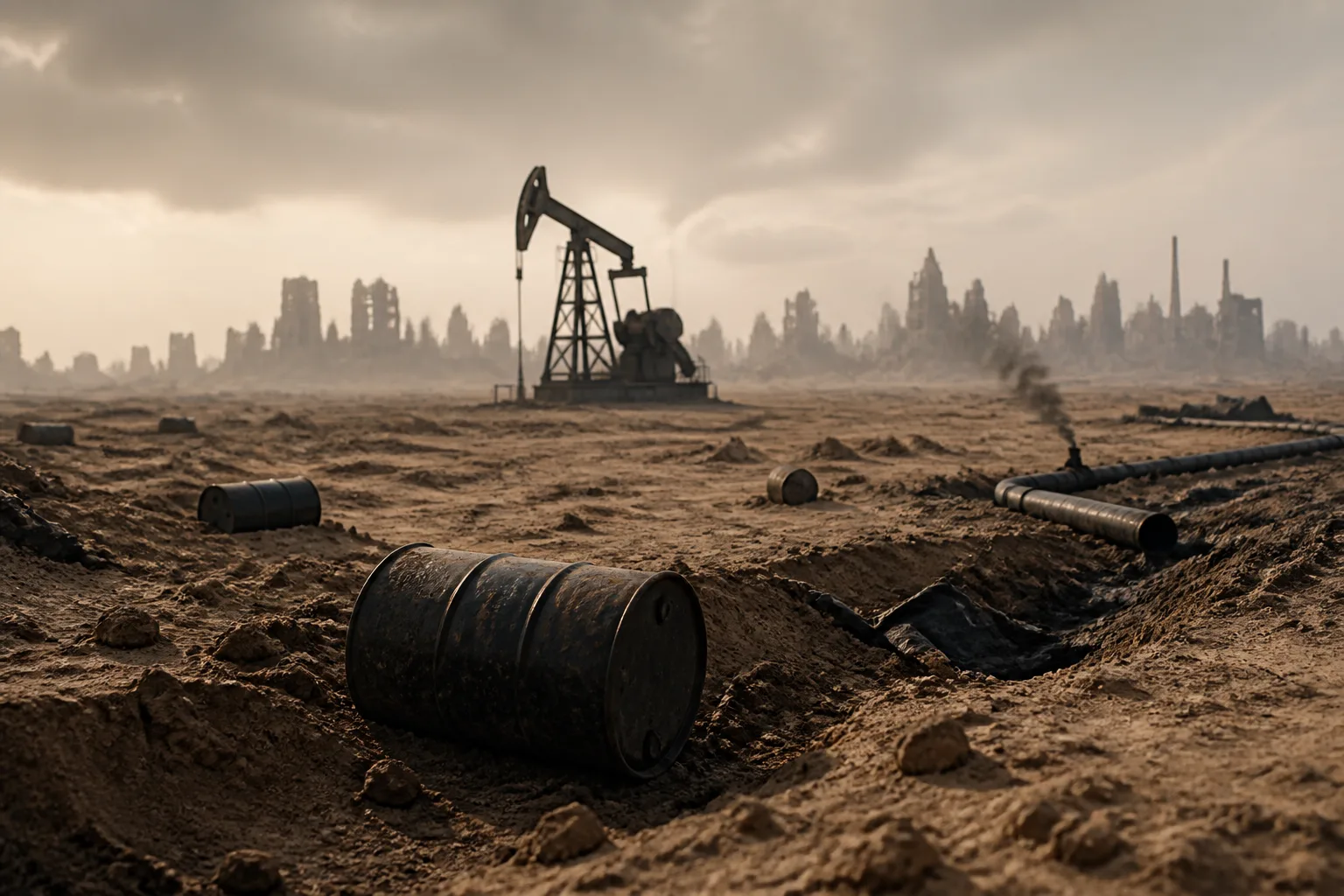
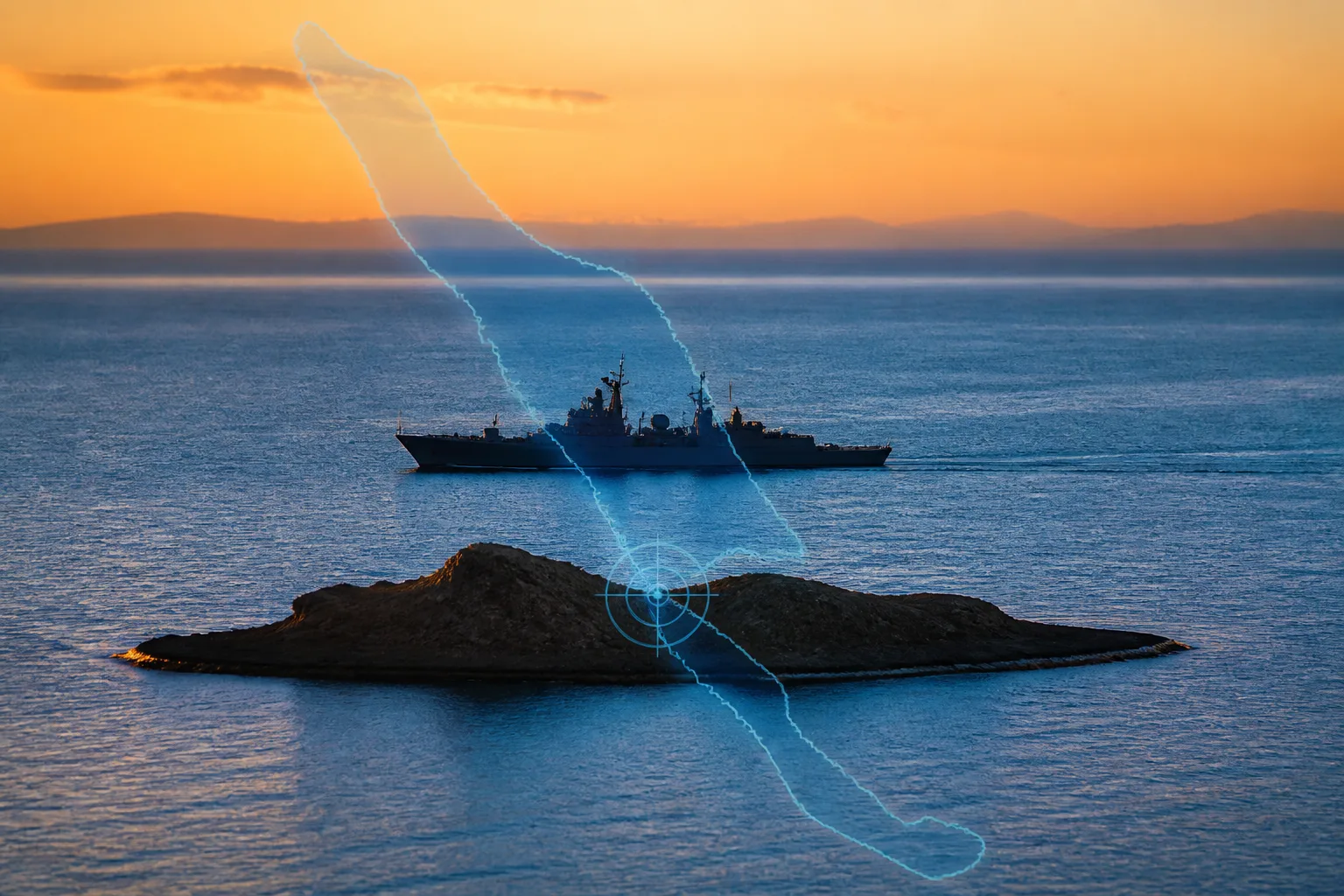
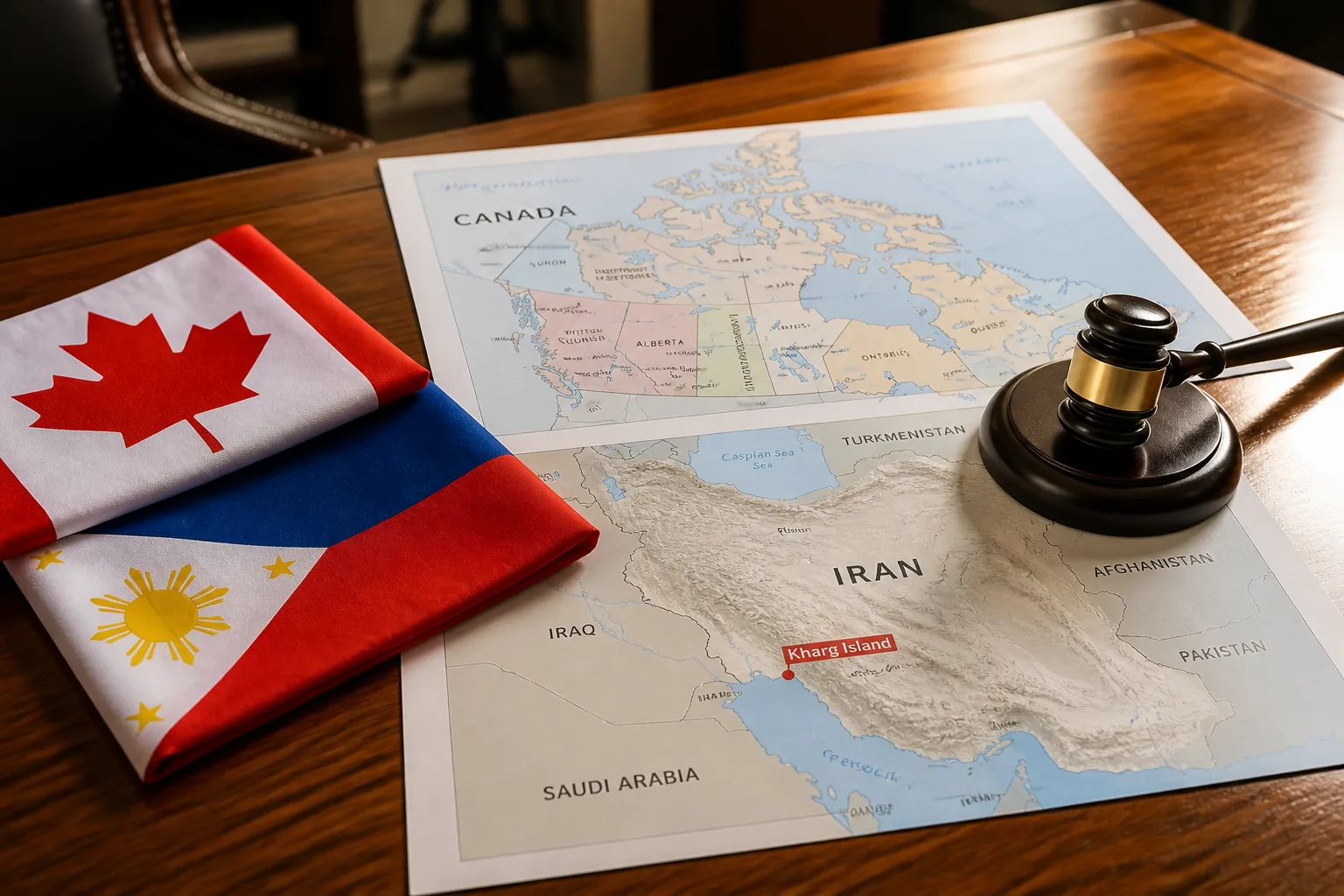
Meanwhile, in the Middle East, President Donald Trump reiterated a U.S. threat to seize Kharg Island, Iran’s primary oil export terminal. Trump first mentioned the possibility on March 30, 2026, during a briefing that followed a series of U.S. and Israeli strikes on Iranian targets. He repeated the warning on June 11, 2026, stating that the U.S. might take Kharg Island “in the not too distant future.” The island lies 25 kilometres off Iran’s Bushehr Province and hosts a port that handles up to 90 percent of the country’s oil exports. Kharg also stores up to 30 million barrels of oil and sits near several offshore fields—Faridun, Darius, Cyrus, and Ardašir.
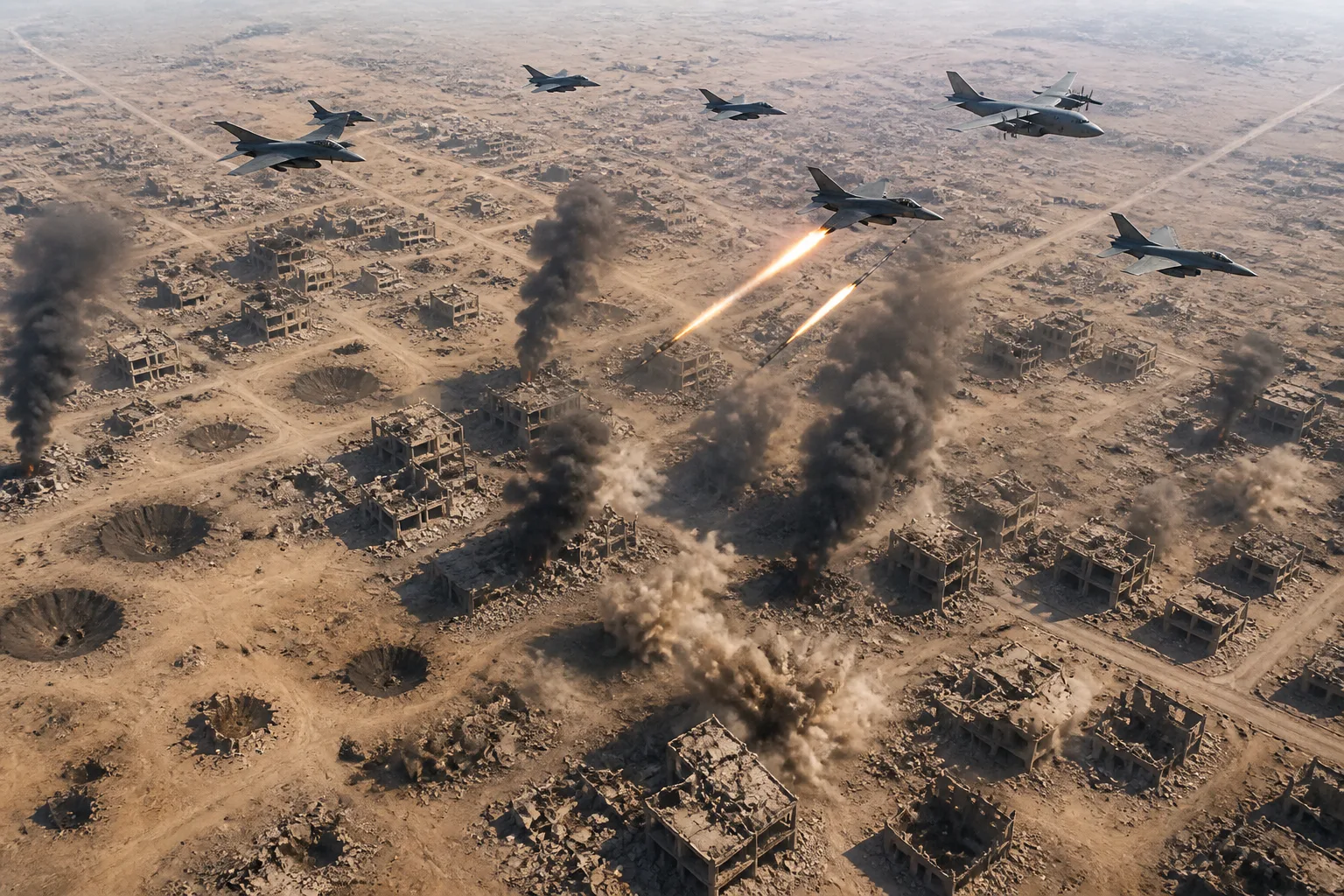
The U.S. has already struck military installations on Kharg in March and April 2026, citing a broader conflict between Iran and Israel. Kharg’s strategic value stems from its role in Iran’s energy economy; petroleum accounts for a large share of the country’s foreign‑currency earnings and a major component of its national budget. In 2023, Iran exported an average of 1.4 million barrels of crude per day, largely to China.
A seizure of Kharg could disrupt the flow of Iranian oil and ripple through global markets, given the island’s capacity to export up to 90 percent of Iran’s oil. The threat underscores the volatility of the Persian Gulf and the delicate balance of regional diplomacy.
These two stories—one celebrating cultural heritage in Canada, the other highlighting geopolitical tension in the Gulf—illustrate the breadth of dynamics shaping the Arab world and its diaspora. While Filipino communities revel in shared history and artistic expression, the looming dispute over Kharg Island reminds observers that security and trade remain central to international relations. Both narratives reinforce the need for careful monitoring of developments that influence diplomatic ties, economic flows, and regional stability.