Israeli Finance Minister Demands 10 Beirut Buildings Destroyed for Every Rocket Fired from Lebanon
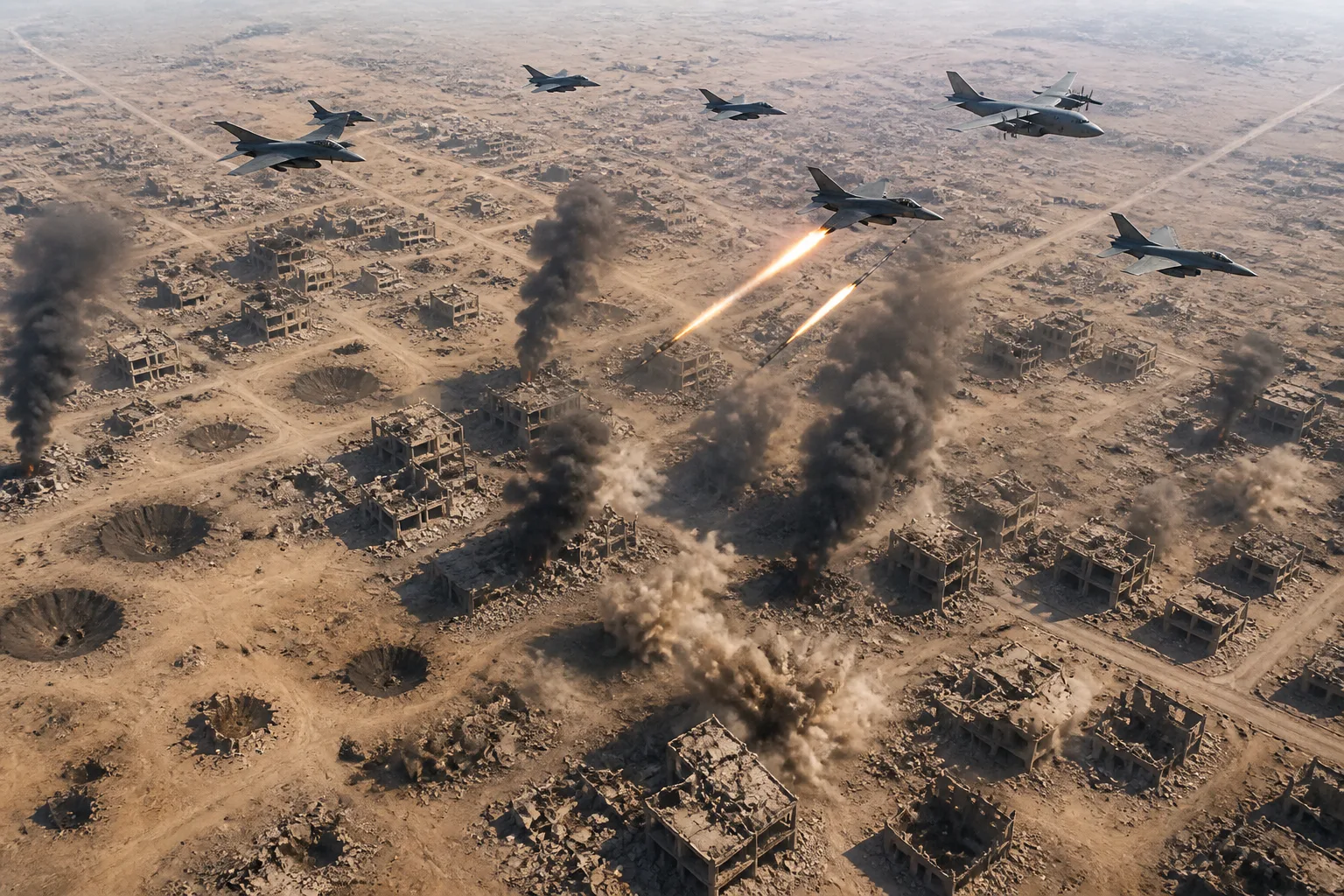
On 14 June 2026, Israeli Finance Minister Bezalel Smotrich took to X with a stark ultimatum: for every rocket launched from Lebanon, ten buildings in Beirut’s Dahiyeh district must be bombed. The post arrived as sirens rattled northern Israel after a wave of rocket and drone strikes.
The day’s attacks prompted the Israeli army to sound the emergency alarms in several northern communities. According to the army, the rockets were aimed at Israeli forces positioned in occupied areas of southern Lebanon. No casualties were reported, though the blasts prompted immediate defensive measures. Earlier that day, a drone that crossed the border from Lebanon triggered sirens in two other northern towns.
Smotrich’s tweet cited ongoing talks between the United States and Iran, warning that Hezbollah could exploit the situation to launch more attacks on Israel. He reiterated that each rocket or drone fired at Israeli territory should be met with the destruction of ten buildings in Dahiyeh, a Hezbollah stronghold in the southern suburbs of Beirut. The minister demanded that the action be carried out “immediately tonight.” No official military directive accompanied the post.
Dahiyeh lies north of Rafic Hariri International Airport and is home to a mix of residential and commercial areas, including the towns of Ghobeiry, Haret Hreik, Bourj el‑Barajneh, Ouzai and Hay El‑Saloum. Hezbollah has maintained a presence there since the 2006 Lebanon War and has used the district as a staging ground for attacks on Israel.
The demand echoes the so‑called Dahiya doctrine, an Israeli military strategy that calls for large‑scale destruction of civilian infrastructure to pressure hostile groups. The doctrine was outlined by former Israeli Defense Forces Chief of General Staff Gadi Eizenkot and has been invoked in past conflicts to target economic and civilian centers that support militant organizations.
Smotrich’s statement follows a pattern of hard‑line rhetoric from the Israeli far right. The minister has previously called for the destruction of Gaza and for the relocation of Palestinians, and he has been a vocal supporter of expanding Israeli settlements in the occupied West Bank. His comments align with the broader Israeli policy of deterrence against Hezbollah and other Iran‑backed militias.
Hezbollah, a Lebanese Shia Islamist party with an armed wing, has been designated as a terrorist organization by many countries. The group has been in conflict with Israel since the 2023‑2026 Middle Eastern crisis, which began after Hamas launched an attack on Israel on 7 October 2023. Hezbollah’s rocket attacks on Israel intensified in 2024 and 2025, prompting Israeli military responses.
Lebanon’s government has been working to disarm Hezbollah. In September 2025, the cabinet approved a plan to bring all militias under state control, and in March 2026 the prime minister stated that Hezbollah’s military actions were outside Lebanese law. The Lebanese army has been tasked with implementing a roadmap to disarm all militias, including Hezbollah.
The Israeli demand for the destruction of buildings in Dahiyeh raises concerns about potential civilian casualties and the legal implications under international humanitarian law. No official statement from the Israeli Defense Forces has confirmed that any strikes have been authorized or carried out in response to Smotrich’s call.
The situation remains fluid. The Israeli military continues to monitor rocket and drone activity from Lebanon, while the Lebanese government maintains its disarmament agenda. The United States is reportedly engaged in negotiations with Iran that could influence the broader regional security environment.
At present, no further actions have been announced by the Israeli military regarding the destruction of buildings in Beirut. The situation will be closely watched by regional actors and international observers as the conflict between Israel and Hezbollah continues to evolve.