U.S. Travel Advisory Update: Middle East Countries Face Heightened Caution Amid Security and Aviation Disruptions
On 14 June 2026, the U.S. State Department issued a new travel advisory update that raises the level of caution for U.S. citizens and non‑citizen travelers in several Middle Eastern countries. The guidance does not impose a travel ban but signals that security conditions, aviation disruptions, and geopolitical tensions have evolved.
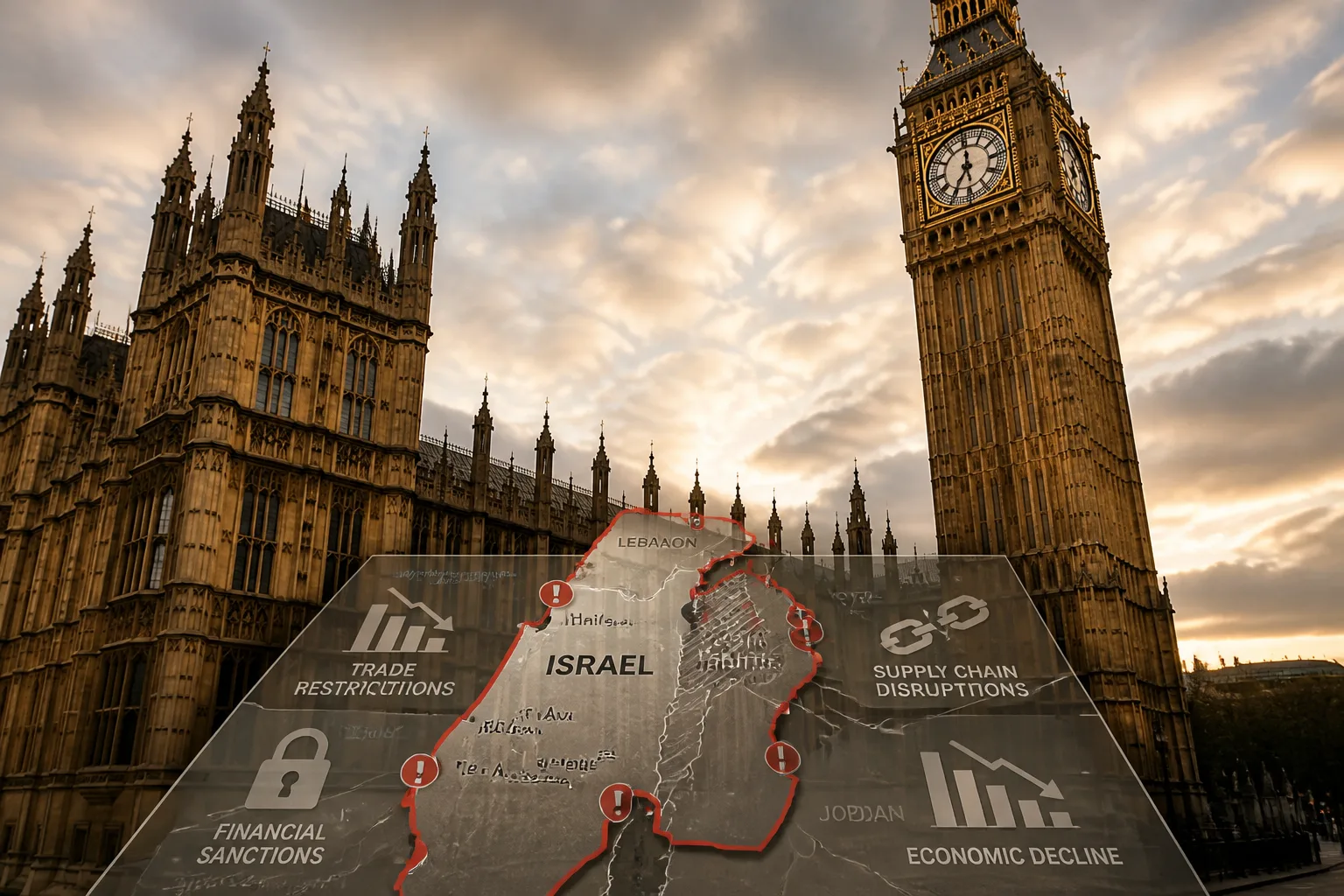
The update, posted on the State Department’s official website, names the United Arab Emirates, Saudi Arabia, Qatar, Bahrain, Kuwait, Iraq, Jordan, Israel, and airspace linked to Iran as destinations with increased risk. For example, the U.S. embassy in the UAE had ordered non‑emergency U.S. government employees and their families to leave the country on 2 March 2026 after a threat of armed conflict emerged. Advisory levels differ by country and are refreshed regularly as new intelligence and on‑the‑ground assessments become available.
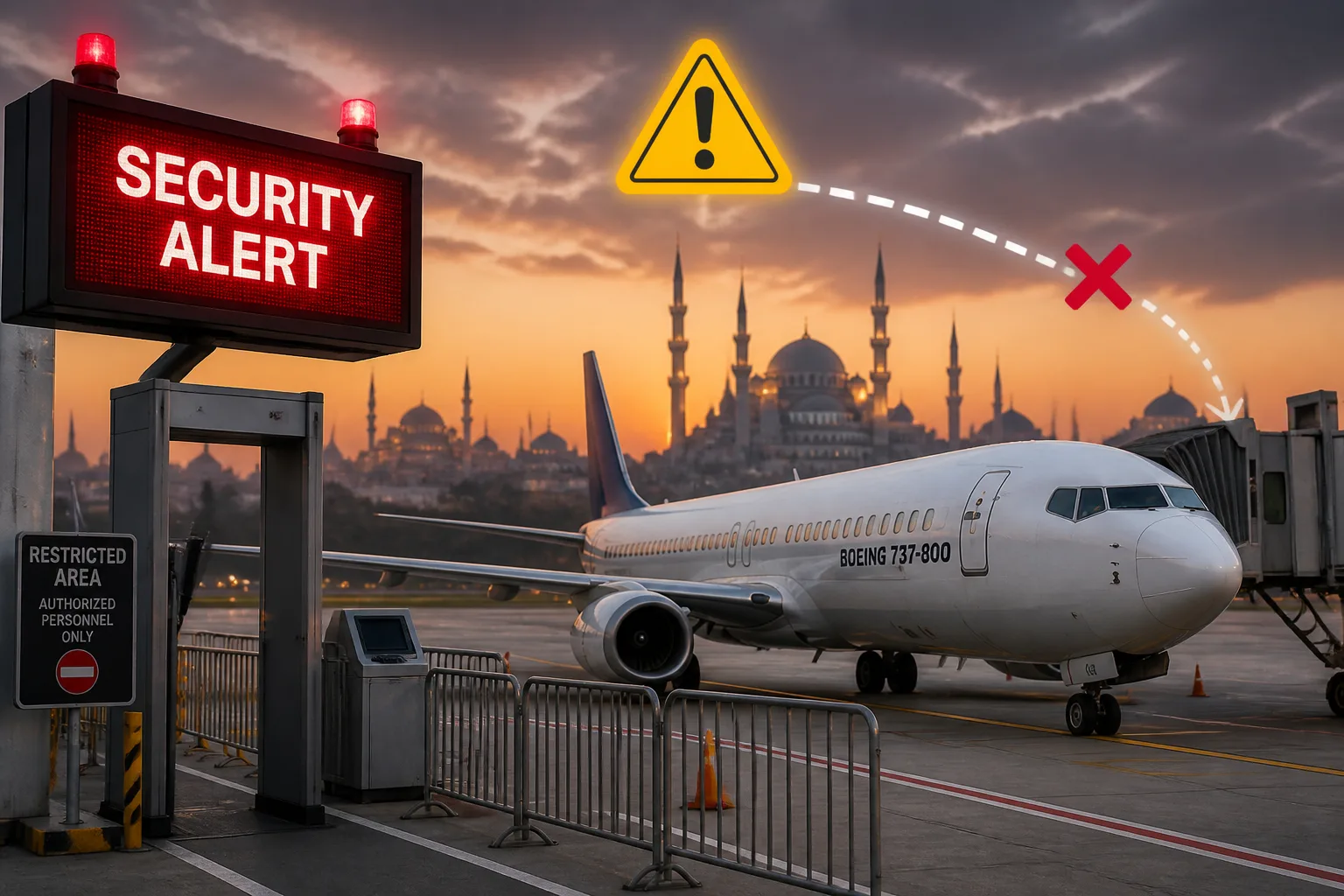
A key driver of the revised guidance is the Federal Aviation Administration’s (FAA) operational notice to U.S. airlines. The FAA has issued temporary airspace restrictions, rerouting instructions, and heightened operational caution for flights crossing Middle Eastern corridors. Airlines have responded by adjusting flight paths, increasing fuel consumption due to detours, and, in some cases, rescheduling flights to avoid high‑risk zones. These changes affect long‑haul routes that connect Asia, Europe, and North America, while transit hubs in the Gulf region remain open but are closely monitored.
U.S. embassies across the region have issued safety recommendations for American citizens. Travelers are strongly encouraged to enroll in the Smart Traveler Enrollment Program (STEP), which provides real‑time alerts and emergency assistance. Embassies also advise monitoring local news, maintaining flexible travel plans, avoiding large gatherings or politically sensitive areas, preparing contingency evacuation strategies, and staying in regular contact with embassy services. In certain locations, embassies recommend reconsidering non‑essential travel depending on the latest security assessments.
The advisory framework is part of the State Department’s broader system that categorizes destinations by safety, security, and operational risk factors. The system is designed to help travelers make informed decisions rather than to discourage international mobility. According to the State Department, the updated guidance reflects a dynamic evaluation process where conditions are continuously monitored and updated.
Travelers planning trips to the Middle East are advised to check the official State Department travel advisory website before booking, confirm any airline route changes, and ensure that travel insurance covers emergency evacuation if required. The FAA’s guidance and the embassies’ recommendations underscore the importance of staying informed through official sources and maintaining flexibility in travel arrangements.
The latest U.S. travel advisory update illustrates a broader shift in global mobility, where security conditions and geopolitical developments increasingly shape international travel decisions. While travel to the Middle East remains open, it now requires higher awareness, preparation, and continuous monitoring of official updates. The State Department will continue to reassess risk levels, and future advisory updates may further adjust guidance depending on regional stability.
In summary, the 14 June 2026 advisory update signals that U.S. travelers to the Middle East should exercise heightened caution, stay updated on official advisories, and prepare for potential aviation disruptions and security risks. The key message remains consistent: stay informed through official sources, plan cautiously, and prioritise safety while navigating one of the world’s most strategically important travel regions.