India Calls for Dialogue, Ceasefire and UN Reform in Middle East Amid Ongoing Conflicts
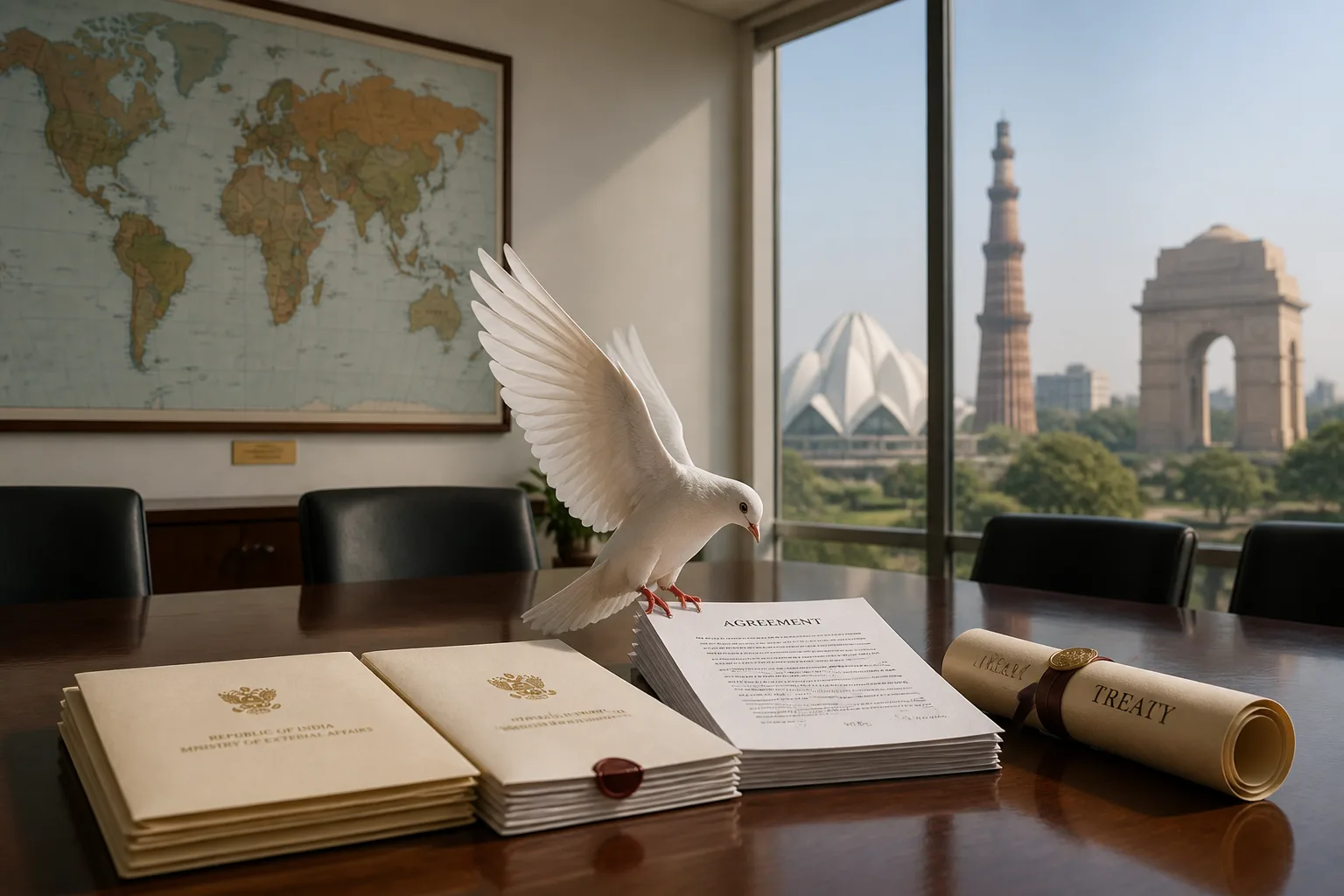
On 10 June 2026, India’s voice reverberated through the United Nations Security Council, as Permanent Representative P. Harish addressed an open debate titled "Advancing Political Solutions in the Middle East: Mediation and Dialogue for Lasting Peace." In a measured speech, Harish outlined India’s deep‑rooted concerns over the humanitarian toll and economic disruptions spilling from the region’s protracted conflicts, citing the ripple effects on global supply chains, energy markets and international trade.
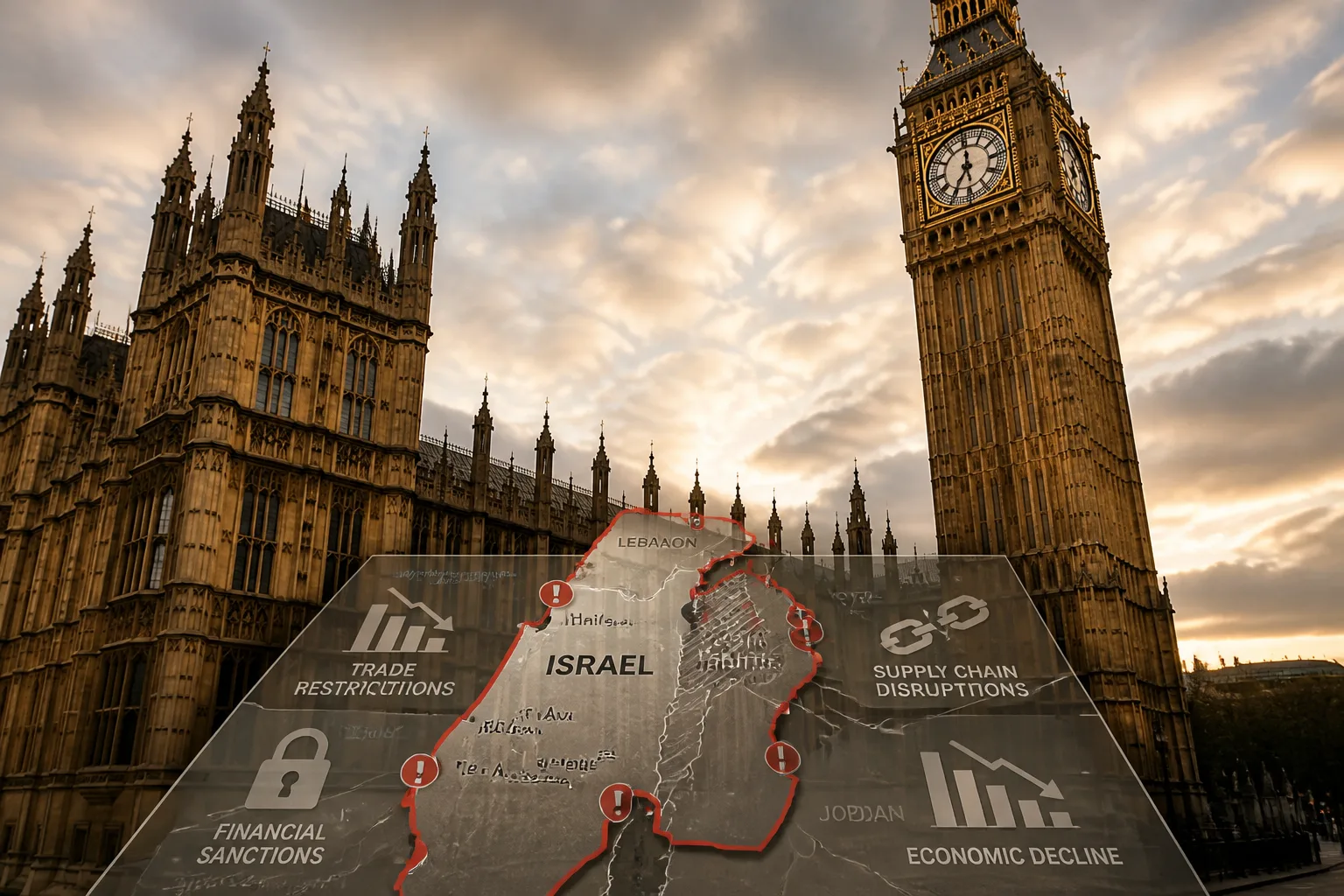
Harish underscored that India’s stake in the Middle East is not abstract. He identified three concrete vulnerabilities: the safety of roughly ten million Indian nationals working in the Gulf; the erosion of the Indian economy caused by trade interruptions and volatile energy prices; and the loss of Indian lives aboard merchant vessels attacked in contested sea lanes. "Any action in the region must preserve freedom of navigation, protect commercial shipping, and safeguard civilian lives and infrastructure," he warned.
The representative further stressed that UN peacekeepers, including the Indian contingent in the United Nations Interim Force in Lebanon (UNIFIL), must remain immune from attack. He invoked the UNIFIL mandate and called for full implementation of UNSC Resolution 1701 and the US‑France mediated Declaration on the Cessation of Hostilities dated 26 November 2024. India’s delegation reiterated its support for Yemen’s unity, sovereignty, independence and territorial integrity, condemning maritime attacks that destabilise both regional and global security.
In the Gaza corridor, India demanded a sustained ceasefire, unfettered humanitarian access and a credible path toward a durable resolution. The country reaffirmed its endorsement of a two‑state solution, describing a sovereign, independent and viable State of Palestine living in peace alongside Israel within secure, recognised borders as the sole realistic route to lasting peace. Harish highlighted India’s development partnership assistance to Palestine as a tangible expression of that commitment.
Harish cautioned that lasting conflict resolution cannot arise from externally imposed solutions that exclude those directly affected. He argued that any initiative must guarantee the full participation of the parties concerned, stressing that local ownership is essential for legitimacy and long‑term stability. A human‑centric approach, prioritising the alleviation of suffering, was presented as the core objective of all interventions.
Finally, Harish critiqued the current architecture of the UN Security Council, noting that its eight‑decade‑old structure no longer mirrors today’s geopolitical realities. He called for comprehensive reforms, including the expansion of both permanent and non‑permanent membership, to make the Council fit‑for‑purpose. India reaffirmed its readiness to contribute actively to Council reform and to peace initiatives that advance peace, prosperity and well‑being in the region and globally.
The remarks reaffirm India’s unwavering advocacy for dialogue, a durable ceasefire in Gaza, respect for Lebanon and Yemen’s sovereignty, and structural reforms to the UN Security Council. The country remains committed to supporting multilateral efforts that prioritise humanitarian needs and local ownership in the pursuit of lasting peace in the Middle East.