Israel Prepares for Possible Iranian Missile Attack After Beirut Airstrike
The Israeli military announced on Sunday that it is preparing for a potential missile strike from Iran following an airstrike on Hezbollah positions in Beirut’s Dahiyeh. In a statement issued on 14 June 2026, the Israel Defense Forces (IDF) said that security assessments indicate Iran may fire missiles toward Israel in response to the attack carried out in Beirut. Chief of the General Staff Lt‑Gen. Eyal Zamir met with relevant commanders after the strike to review the situation.
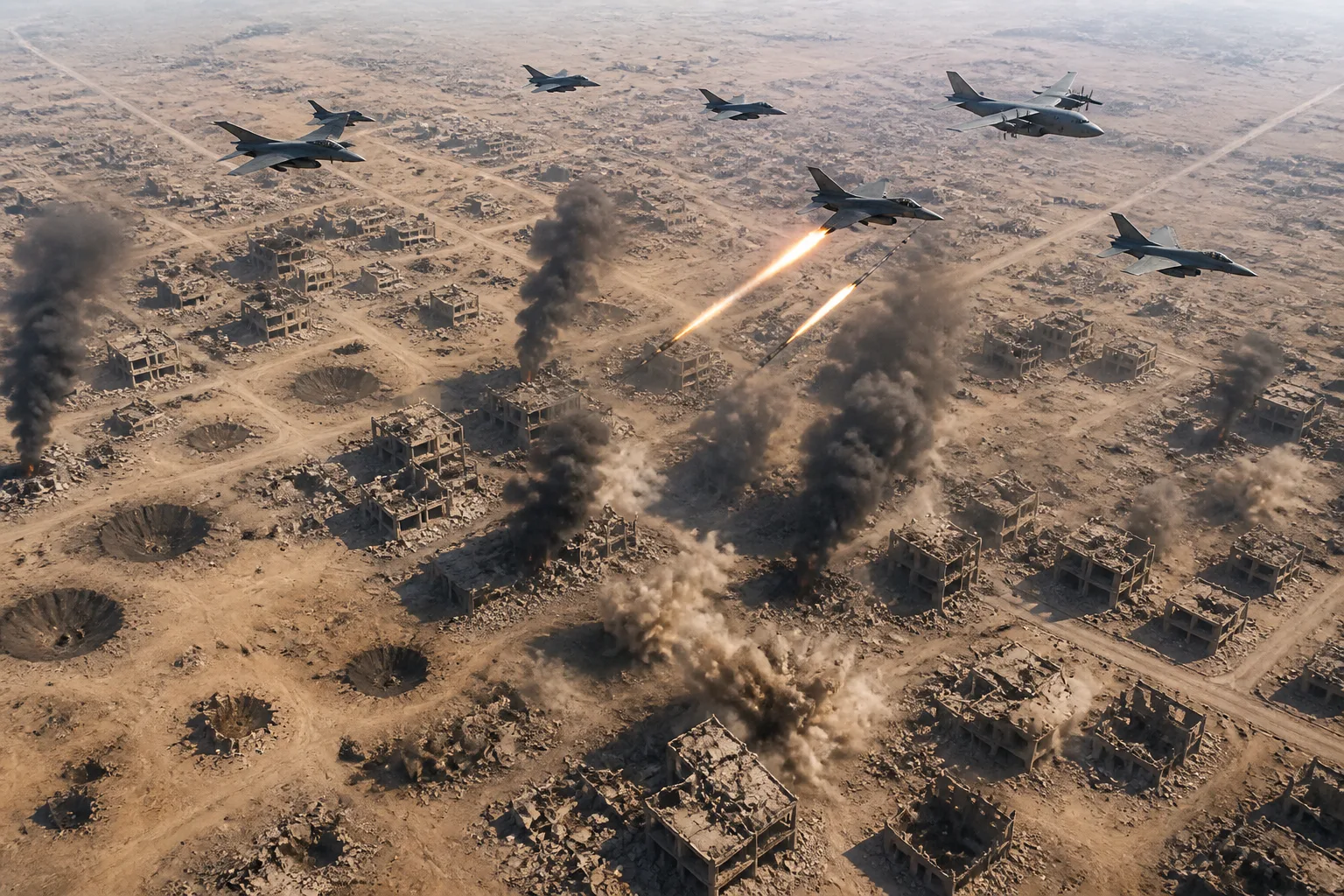
The airstrike, which targeted a Hezbollah headquarters in the Dahiyeh district of Beirut, was carried out hours earlier. Dahiyeh is a predominantly Shia suburb that serves as a stronghold for Hezbollah, a Lebanese militant group with close ties to Iran. Israeli officials said the strike was a response to projectiles fired by Hezbollah into northern Israel. The IDF’s statement confirmed that the attack was aimed at Hezbollah positions and was part of Israel’s broader campaign against the group.
In its warning, the IDF said that its forces remain on high alert for a range of defensive and offensive scenarios and will not allow attacks against Israeli territory to go unanswered. The statement added that there is currently no change in the Home Front Command’s instructions for civilians. While the IDF has not confirmed any Iranian missile launch, it has indicated readiness to intercept any incoming missiles should Iran decide to retaliate.
The situation is set against a backdrop of ongoing conflict between Israel and Hezbollah, which has been linked to Iran’s regional strategy. Hezbollah’s military wing has been described as a significant non‑state armed force, and the group has repeatedly fired rockets into Israeli territory since the start of the 2026 Lebanon war. Iran’s missile arsenal, which has been expanded in recent years, has been used in retaliatory strikes against Israel and U.S. forces in the region. The IDF’s alert status reflects the broader escalation that has seen Israel and Iran exchange missile and drone attacks in the past months.
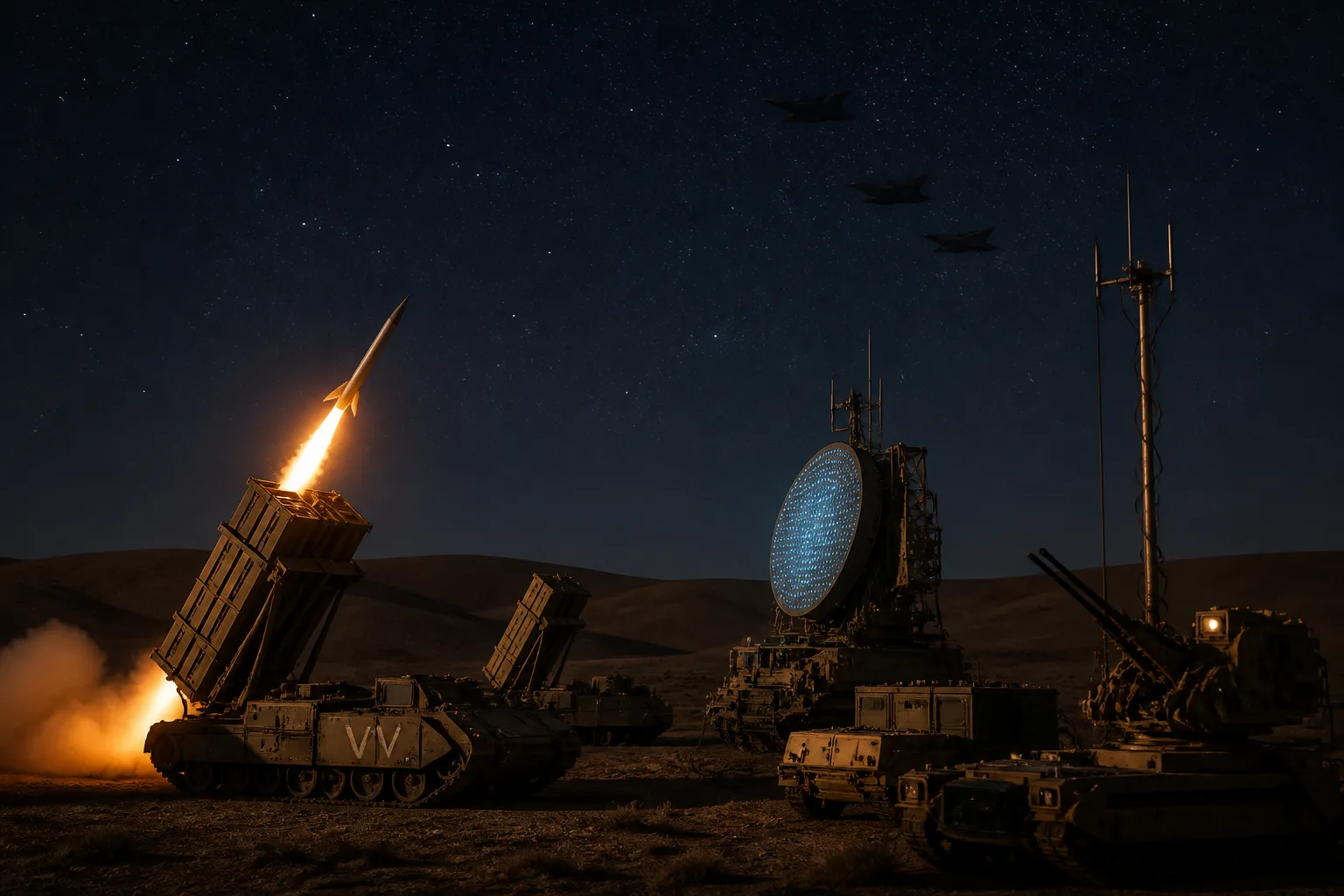
If Iran were to launch missiles, the IDF would likely rely on its layered air‑defence system, which includes the Arrow missile interceptors and the Iron Dome short‑range system. The IDF’s readiness posture is intended to deter further escalation and protect Israeli civilians. At the same time, the IDF’s statement underscores that it is prepared to respond decisively to any attack, signalling to Iran and Hezbollah that Israel will not tolerate continued aggression.
As of the time of the statement, no Iranian missile launch had been detected. The IDF remains on high alert, monitoring potential threats from Iran while maintaining its defensive posture. The situation remains fluid, and the IDF will adjust its readiness levels as new information becomes available. The Home Front Command continues to advise civilians to follow existing safety procedures, and no additional instructions have been issued.
The latest development adds another layer of tension to an already volatile region. While the IDF’s statement does not confirm an imminent Iranian attack, it signals the potential for rapid escalation should Iran choose to retaliate. The international community continues to monitor the situation closely, as any missile exchange could have broader implications for regional stability and the security of U.S. and allied forces in the Middle East.