Israel Prepares for Possible Iranian Missile Strikes After Beirut Airstrikes, Amid Tense Diplomatic Negotiations
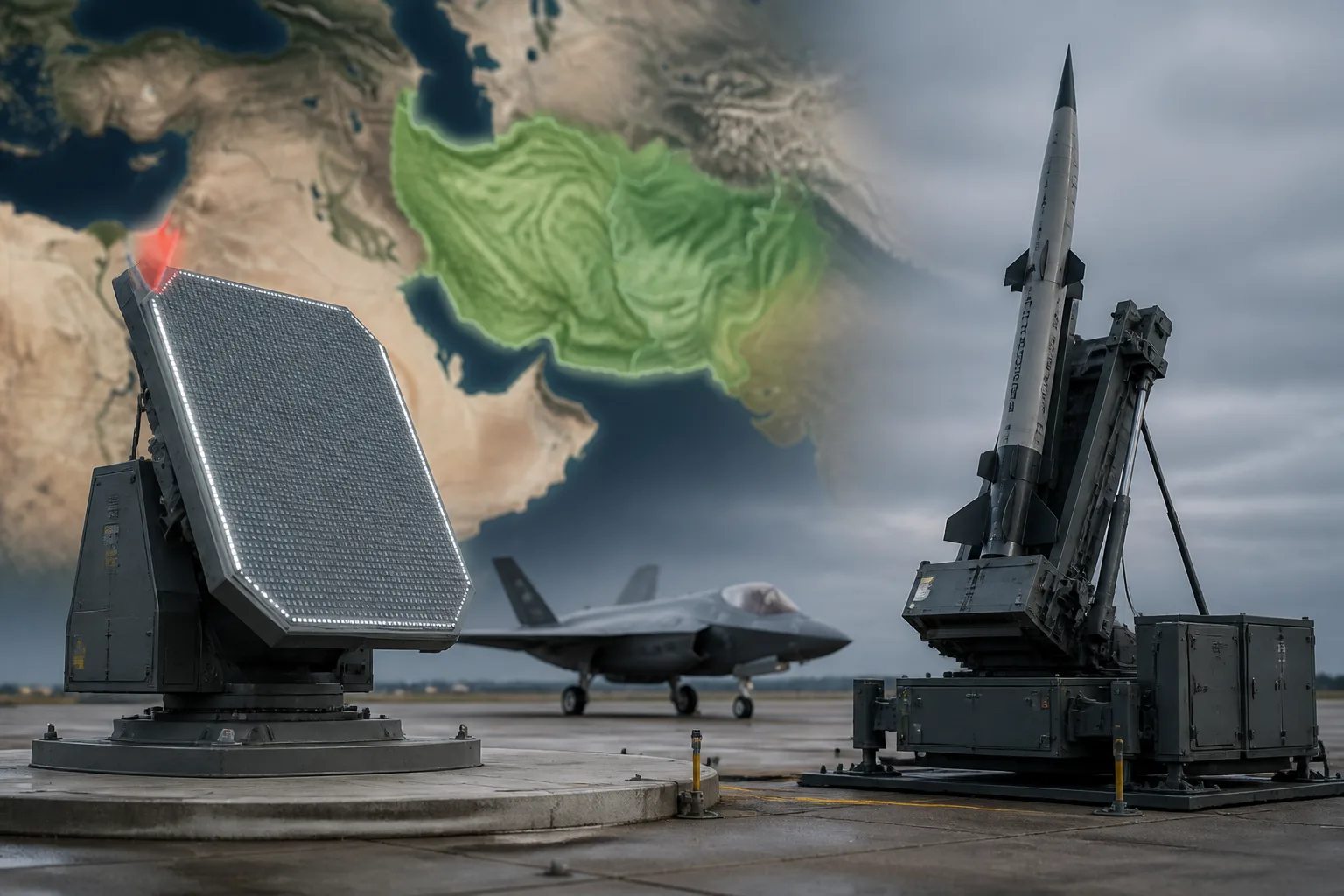
The Israel Defense Forces (IDF) warned on Sunday that it is bracing for a possible Iranian missile attack in the coming hours, a reaction to its recent airstrikes on Beirut’s Dahieh district. The alert arrives as diplomatic talks aimed at a cease‑fire with Iran edge toward completion.
In an early‑Sunday statement, the IDF said, "In accordance with ongoing assessments, the IDF is preparing for the possibility of fire toward the territory of the State of Israel in the coming hours." It added that it remains "ready and prepared for a variety of defensive and offensive scenarios" and urged civilians to heed Home Front Command instructions. No changes to the Home Front Command’s guidelines were announced, and the IDF pledged to notify the public if the situation evolved.
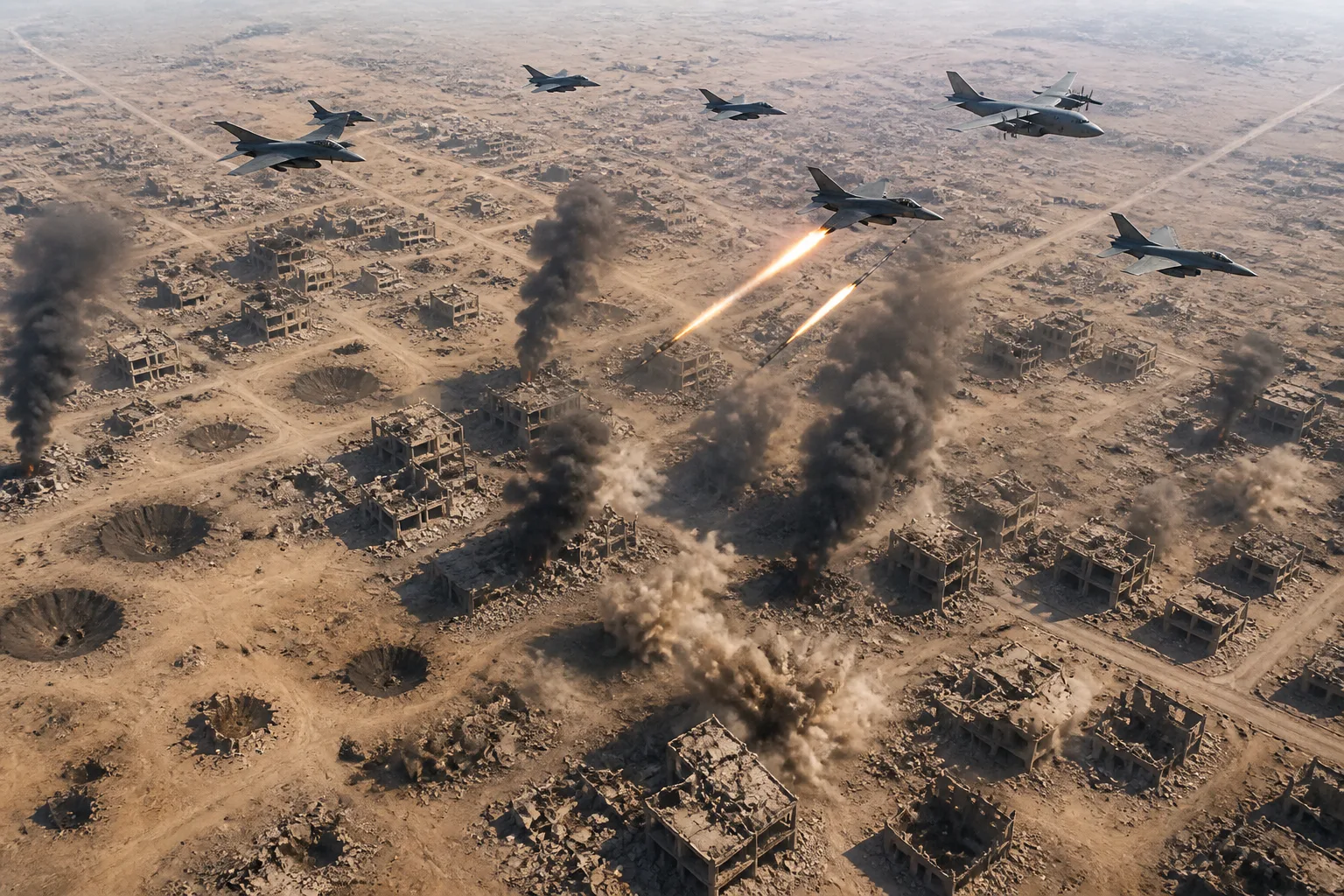
The warning follows the IDF’s strikes on the Dahieh district, a predominantly Shia neighbourhood in southern Beirut that serves as a Hezbollah stronghold. Prime Minister Benjamin Netanyahu and Defence Minister Israel Katz released a joint statement defending the operation, asserting that Israel would not tolerate fire into its territory. The strikes targeted Hezbollah positions as part of Israel’s broader campaign against the group.
The timing of the raids drew criticism from U.S. President Donald Trump, who posted on Truth Social that the attack should not have occurred on a "special day when we are so close to a Peace Deal with Iran." Trump added that while Israel has the right to defend itself, the strike was "very small and meaningless" and should not derail the diplomatic process.
Pakistani Prime Minister Shehbaz Sharif also voiced optimism about the talks, tweeting on X that the country was "closer to a peace deal than ever before" and that finalisation was likely within the next 24 hours. A media channel linked to the Revolutionary Guards disputed that timetable, condemning what it called Trump’s "unusual insistence" on a Sunday signing.
Qatari mediators arrived in Tehran earlier in the week to try to salvage the agreement before the Israeli strike in Lebanon. The mediation effort is part of a broader U.S.‑led initiative to end the 2026 Iran–Israel conflict, which began on 28 February 2026 and has seen multiple rounds of hostilities across the region.
The IDF’s warning of potential Iranian missile fire comes amid reports that Iran has launched a wave of missiles at Israeli targets in recent days. According to the IDF, Iran fired 30 missiles at Israel on Sunday, the first such barrage since early April. While the IDF intercepted some of the projectiles, the threat remains significant.
The conflict has escalated over the past month, with Israel conducting airstrikes in southern Lebanon and the IDF reporting that Hezbollah has increased drone and missile activity. The war has drawn in regional actors, with Qatar and the United Arab Emirates reportedly backing diplomatic efforts while Iran maintains a hardline stance.
The IDF’s statement and the ongoing diplomatic negotiations underscore the fragile security environment in the Middle East. The possibility of Iranian missile strikes adds a new dimension to the conflict, heightening concerns about escalation and the potential for a broader regional war.
As diplomatic channels work to finalise a cease‑fire agreement, the Israeli government reaffirms its commitment to national security while engaging in negotiations aimed at ending the conflict. The IDF remains on high alert, and the Home Front Command continues to monitor the situation closely.
The current situation remains fluid, with the IDF prepared for potential missile attacks and diplomatic efforts striving to conclude a cease‑fire. The outcome of these developments will shape the region’s security dynamics for months to come.