Israeli Forces Report Killing of Senior Hezbollah Commander Ali Musa Daqduq in Southern Lebanon
On June 12 2026, the Israel Defence Forces (IDF) announced on its X account that senior Hezbollah commander Ali Musa Daqduq was eliminated in a strike south of the Litani River. The IDF described the operation as a “precise strike” and said the target was located in a village south of the river.
Daqduq had long been a key figure in Hezbollah’s military hierarchy, holding several high‑ranking posts within the organisation’s armed wing. According to the IDF’s post, he commanded the so‑called “Golan Terrorist Network,” a cell Hezbollah used to expand its presence in Syria and to build military infrastructure close to the Israeli border. He was also involved in operational planning against Israeli Defence Forces (IDF) troops.
Internationally, Daqduq is best known for his role in the 2007 attack that killed five U.S. soldiers in Iraq. The raid was carried out by a group of Iran‑backed militants that Daqduq had trained and organised. After the raid, U.S. forces captured him but he was later released by the Iraqi government.
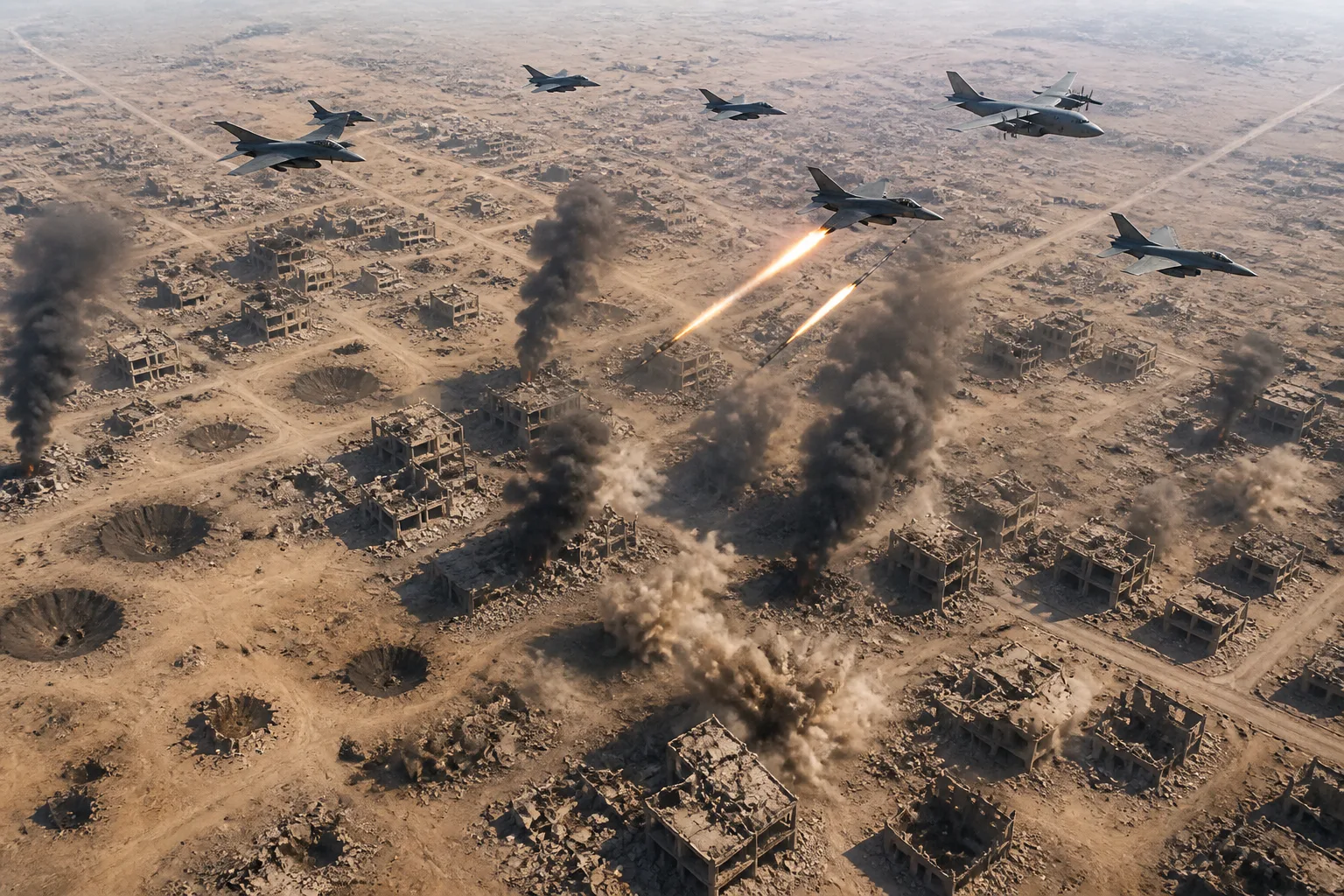
The IDF’s announcement comes amid a broader campaign of strikes in southern Lebanon that began after the October 2023 Hamas‑led attack on Israel and the subsequent escalation of the Israel‑Lebanon conflict. Earlier this year the IDF carried out a series of airstrikes that destroyed bridges on the Litani River and warned residents of nine villages to evacuate.
Hezbollah, a Lebanese Shia Islamist movement that has been designated a terrorist organisation by 28 countries, was formally banned by the Lebanese government in March 2026 following the 2024 Israeli invasion of the south. The group’s political wing, the Loyalty to the Resistance Bloc, still holds seats in the Lebanese Parliament, but its armed wing is increasingly subject to disarmament plans approved by the Lebanese cabinet.
The death of Daqduq is the latest in a series of high‑profile Hezbollah casualties. Earlier in 2025 the IDF killed Hezbollah’s chief of staff, Haytham Ali Tabatabai, in a strike on Beirut’s southern suburbs. The IDF has repeatedly stated that it will target senior Hezbollah commanders who it says are responsible for attacks against Israeli civilians and soldiers.
The IDF’s statement did not provide details on the means used to kill Daqduq, but the force has a wide range of air and ground capabilities. The IDF’s use of precision strikes in southern Lebanon has been a key element of its strategy to neutralise Hezbollah’s operational capacity.
The killing of Daqduq is likely to be a blow to Hezbollah’s training and operational planning networks. The organisation has relied on experienced commanders to coordinate attacks on Israeli positions and to manage its cross‑border operations in Syria and the Golan Heights.
The IDF’s announcement was made on X, a platform it uses for real‑time updates on military operations. The post was accompanied by a graphic that listed Daqduq’s senior positions and his involvement in several attacks against Israel and U.S. forces.
The broader context of the conflict includes the 2024 Israeli invasion of southern Lebanon, the destruction of infrastructure, and the displacement of civilians. The IDF has warned that it will continue to target Hezbollah positions that it considers a threat to Israeli security.
The death of Ali Musa Daqduq is the latest development in the ongoing Israel‑Lebanon conflict, which has seen a significant escalation of violence since October 2023. The IDF has stated that it will keep targeting senior Hezbollah commanders who it says pose a threat to Israeli and U.S. interests in the region.
The IDF’s statement did not indicate any immediate follow‑up actions, but the IDF has repeatedly said that it will continue to conduct operations in southern Lebanon as part of its broader campaign to neutralise Hezbollah’s military capabilities.
The killing of Daqduq is expected to have implications for Hezbollah’s operational planning and training capabilities, and for the broader dynamics of the Israel‑Lebanon conflict.
The IDF’s announcement underscores the continued intensity of the conflict and the IDF’s focus on neutralising senior Hezbollah figures who it says are responsible for attacks against Israeli and U.S. forces.