Trump Urges Finalization of US-Iran Peace Deal Amid Beirut Strike and Iranian Threats
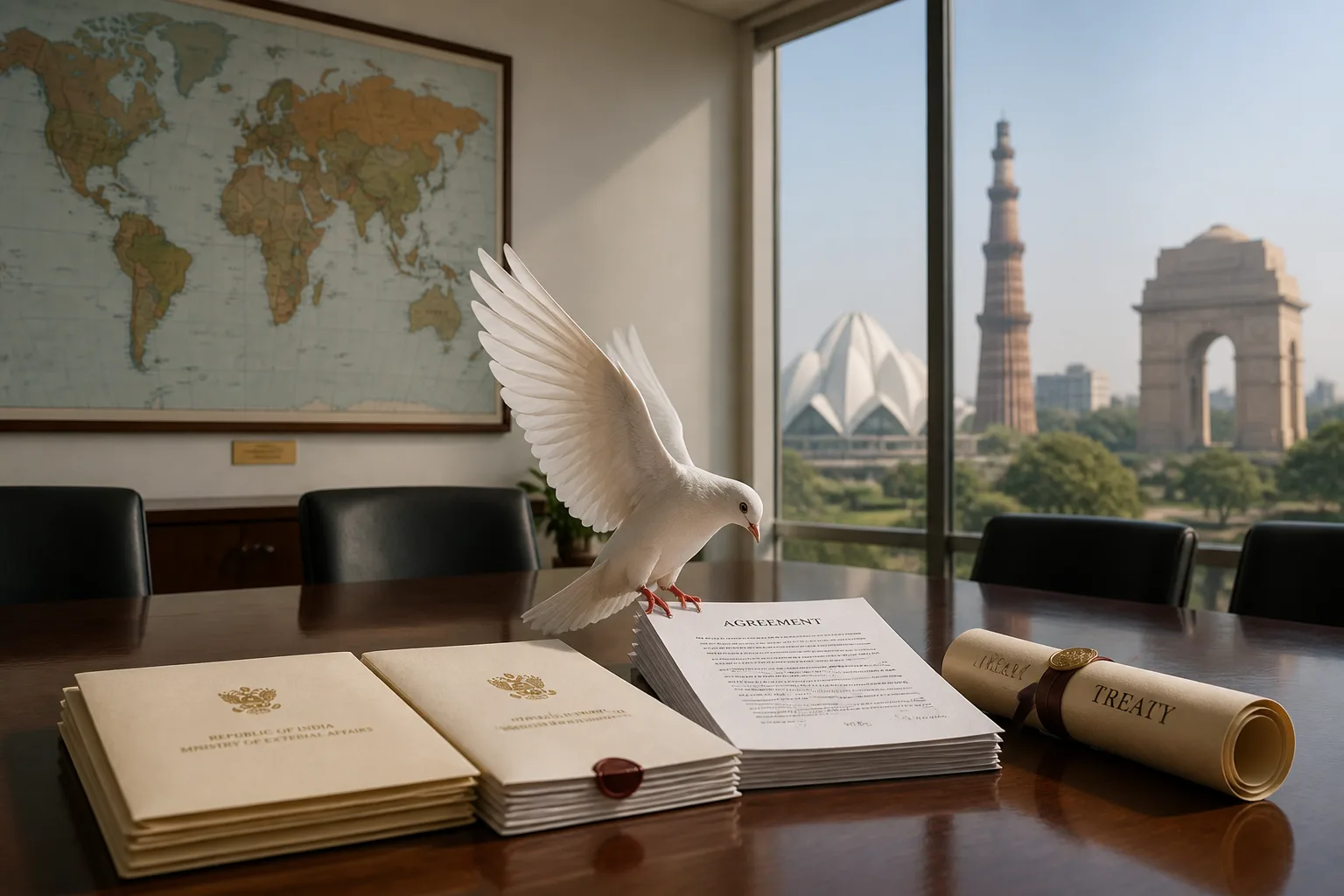
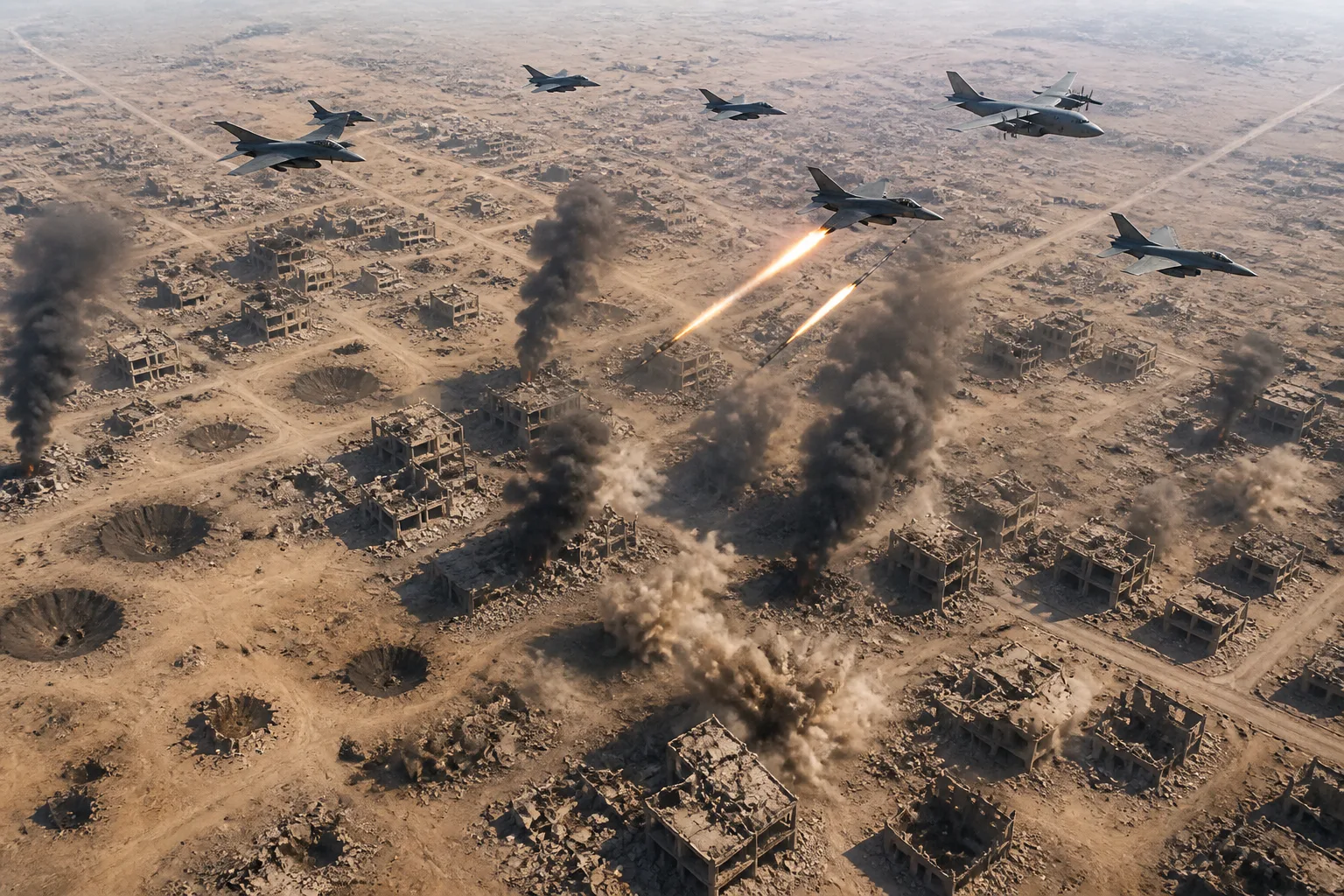
Amid a sudden strike in Beirut, President Donald J. Trump told Axios that the US‑Iran agreement, aimed at ending the current war, remains on track for signing on Sunday. The president’s remarks came after Israeli jets struck Beirut’s Dahiyeh district, an attack aimed at Hezbollah infrastructure that, according to Israeli military statements, caused no damage or casualties.
Trump noted that the deal, negotiated in Oman, Rome and Muscat early in 2026 after a brief pause following the war’s outbreak on 28 February 2026, almost collapsed when the strike “shook it up.” He said the attack delayed the signing by a few hours, but the agreement is still expected to be signed later that day. Iranian officials have not yet confirmed a signing date, and reports suggest the deal was scheduled a few hours after the strike, though the exact timing remains unverified.
In the interview, Trump also addressed the broader conflict context. He acknowledged that Hezbollah had fired first at Israel but stated the attack had not caused any damage or loss of life. Expressing frustration, Trump referred to Prime Minister Benjamin Netanyahu’s “fucking attack” and said he had warned Netanyahu that he had no judgment.
The US and Iran have been working toward a comprehensive agreement that would lift sanctions and end hostilities following the war’s escalation. Negotiations resumed in early 2026 after large‑scale protests in Iran and a temporary ceasefire announced on 7 April 2026. If signed, the deal would replace the 2015 Joint Comprehensive Plan of Action and restore diplomatic and economic ties between the United States and Tehran.
The war began after U.S. and Israeli forces launched large‑scale strikes on Iranian nuclear sites on 28 February 2026. Those attacks, coupled with Iranian threats to hit U.S. and Gulf energy infrastructure, have kept the region in a heightened state of tension. The United States maintains a significant military presence in the Middle East, while Iran continues to support Hezbollah and other proxy groups.
In the days leading up to the proposed signing, both sides engaged in private diplomacy and public messaging. Trump has used his platform to push for the agreement, while Iranian officials remain cautious, citing the need for further verification and assurances.
A successful signing would have far‑reaching implications: the Strait of Hormuz could reopen, U.S. sanctions relief for Iran could resume, and the risk of further escalation with Israel and its allies would likely diminish.
The situation remains fluid. While Trump maintains that the deal is still on track, Iranian officials have not confirmed a signing date, and the broader dynamics of the war continue to evolve. The next steps will hinge on final negotiations and the willingness of both sides to resolve remaining technical and political issues, a development that will shape the Middle East’s security landscape for years to come.