Airlines Gradually Re-open Middle East Routes as US-Israeli Strikes on Iran Leave Travel Uncertain
In the aftermath of the U.S. and Israeli airstrikes on Iran on 28 February 2026, the global aviation sector has entered a cautious phase. While many carriers have suspended or delayed flights to the Middle East, a slow, calculated return to service has begun in early June—yet most routes remain halted until the end of summer or beyond.
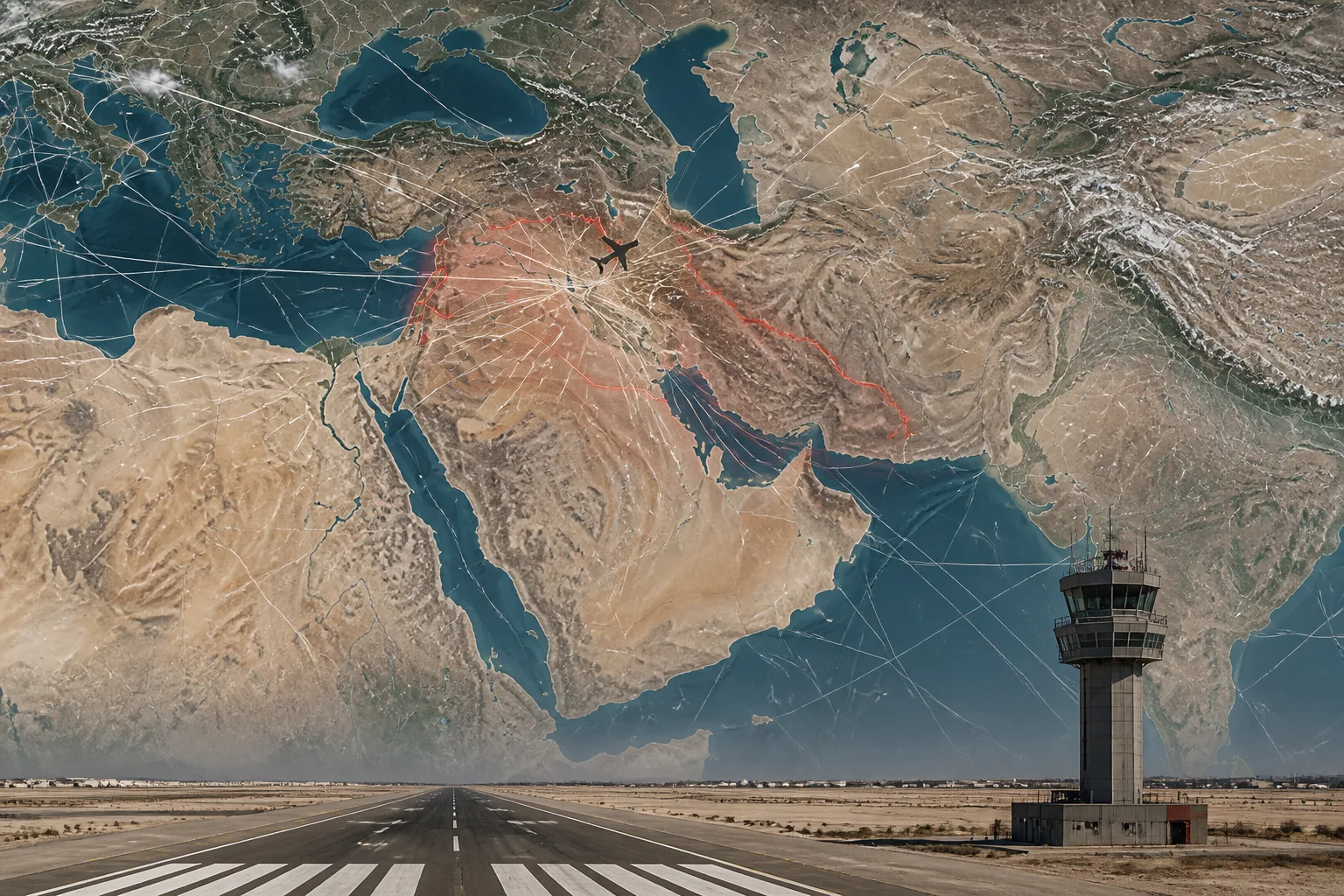
The strikes triggered sweeping airspace closures and heightened security concerns across the region. Airlines reacted swiftly: canceling routes to Israel, the Gulf, and Iraq, and putting new launches on hold. The gradual resumption of flights mirrors evolving risk assessments and the imperative to safeguard passengers and crew.
Key airline actions - Air France‑KLM: Air France halted Tel Aviv flights until 21 June and paused Beirut and Dubai services until 24 June. KLM stopped Riyadh and Dammam routes until 26 July and Dubai until 2 August. - Delta Air Lines: The Atlanta‑Tel Aviv link remains suspended until 18 December. Delta will restart New York‑JFK to Tel Aviv on 6 September, while a planned Boston‑Tel Aviv launch is delayed. - Lufthansa Group: Lufthansa and ITA Airways will resume Tel Aviv flights as early as 1 July; all three carriers will keep Dubai flights suspended until 13 September. - Air France and British Airways (IAG) have paused Doha, Riyadh, Dubai, Tel Aviv, Bahrain, and Amman services until the end of the summer season, with a planned return on 25 October. - Air Baltic: Tel Aviv flights are cancelled until 28 June; Dubai services will resume in October. - Air Canada: Tel Aviv and Dubai routes are suspended until 24 October. - CATHAY PACIFIC: Dubai and Riyadh services are suspended until 31 August. - Finnair: Doha flights are cancelled until 2 October and the airline will avoid airspace over Iraq, Iran, Syria, and Israel. - Japan Airlines: Tokyo‑Doha flights are suspended until 31 July and Doha‑Tokyo until 1 August. - Turkish Airlines: SunExpress has halted Dubai flights until 30 June and flights to Bahrain, Beirut, and Erbil until 14 July. - Norwegian Air: Planned Tel Aviv and Beirut launches have been postponed indefinitely. - Malaysian Airlines: Limited Doha services will resume on 2 July. - Qantas: While adding European routes, Qantas has not yet announced changes to Middle East services.
Regional implications The cancellations have rattled business travel, tourism, and cargo flows. Gulf states, whose economies depend heavily on international tourism and expatriate workers, are seeing a dip in passenger volumes. Airlines that previously operated seasonal or low‑frequency services to the region are now reassessing schedules, often trimming daily frequencies to a single flight when they resume.
Compliance with government advisories and international aviation safety standards is a priority. Many carriers avoid airspace over conflict zones—Finnair, for instance, steers clear of Iraq, Iran, Syria, and Israel—to mitigate interception or attack risks. The continued suspension of flights to Tehran, Erbil, and other cities underscores ongoing security concerns.
Current status and next steps Most airlines plan to resume services in late July or early August, aiming for a full return to pre‑war schedules by late October. The pace of restoration hinges on the security situation and the reopening of airspace. Airlines are monitoring developments closely and will adjust routes as necessary.
Passengers with bookings to the Middle East should verify the latest status directly with their carrier and explore rebooking options. Official airline websites and customer service channels remain the most reliable sources for up‑to‑date information.
Conclusion The U.S. and Israeli strikes on Iran have left a lasting imprint on global aviation. While some airlines are cautiously reopening routes to the Middle East, many suspensions persist until the end of the summer season or beyond. The situation will evolve as security conditions change and airlines reassess risk.