Belgium Ready to Aid Reopening of Strait of Hormuz After US-Iran Framework Deal
Belgium’s foreign minister announced that the country is prepared to help restore free navigation through the Strait of Hormuz following a framework agreement between the United States and Iran that ends more than three months of hostilities. The deal, which includes an immediate ceasefire and the reopening of the strait, is scheduled to be formally signed in Geneva on Friday.
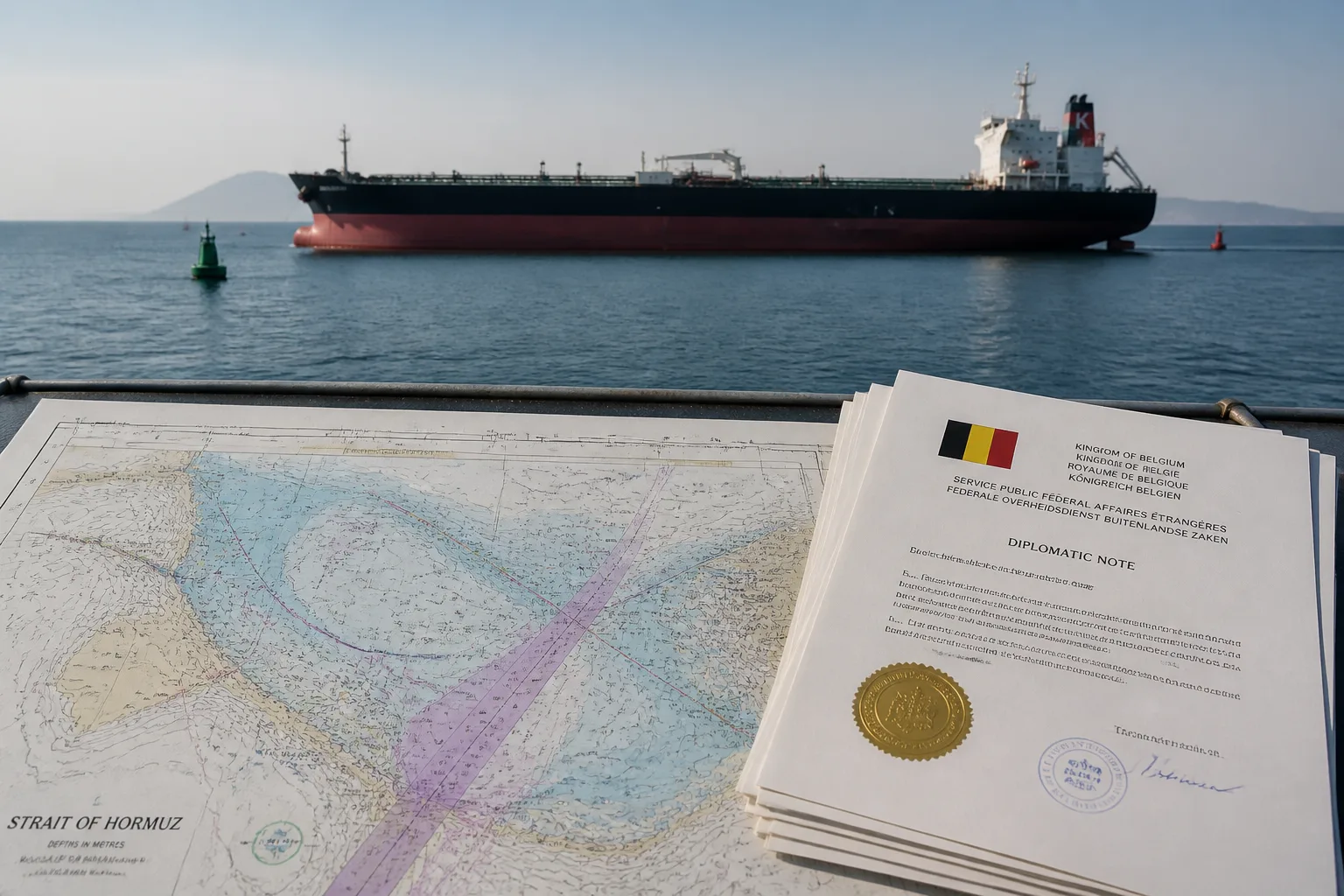
Foreign Minister Maxime Prévot posted on X that he hoped for a swift reopening of the strait with unconditional and unrestricted freedom of navigation. He added, “We stand ready to help to ensure this.” Prévot also said the agreement should open a new era for the region and for Iran, describing it as “an era without nuclear programme and with authorities hearing the legitimate democratic aspirations of their citizens.”
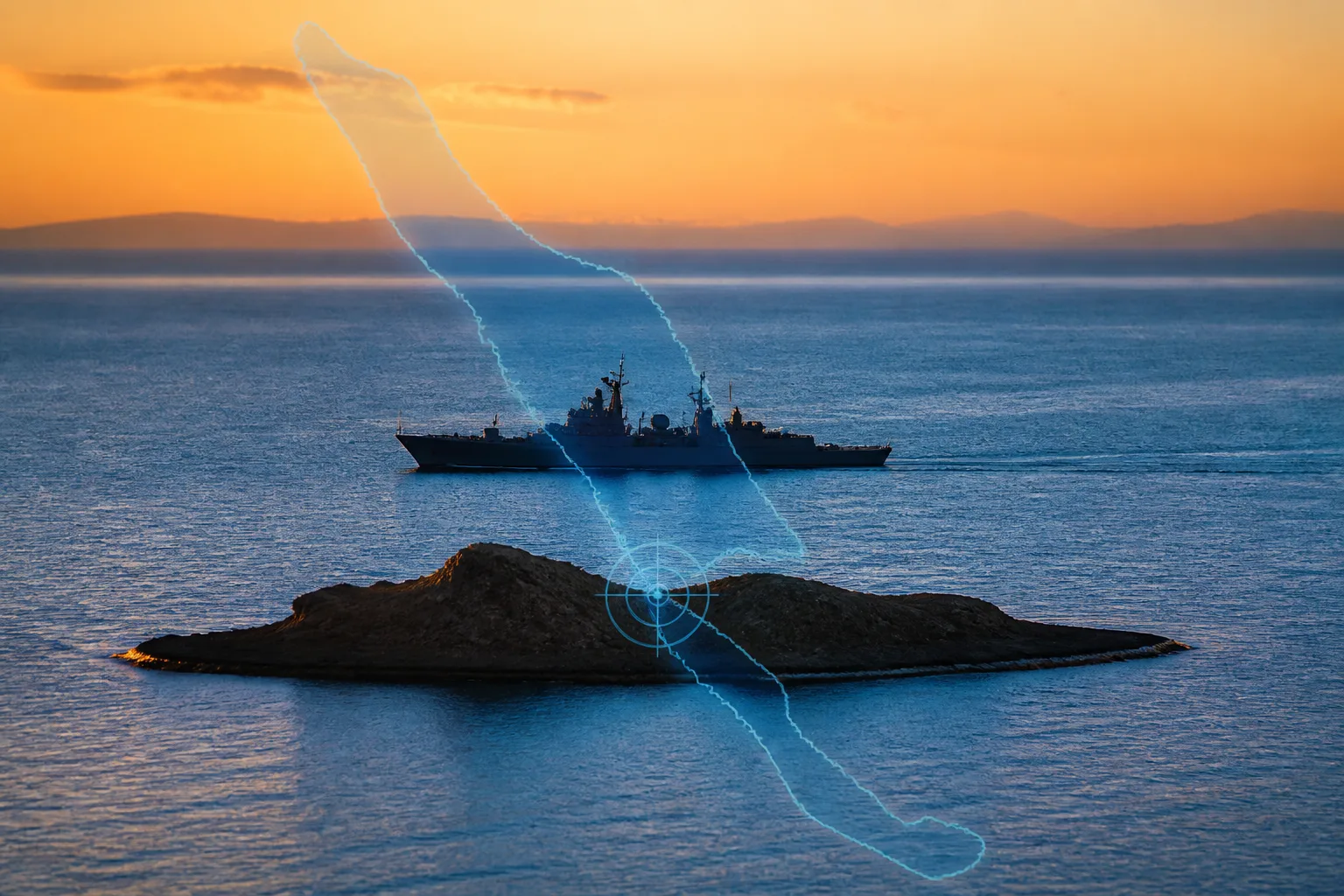
At the end of May, two Belgian minesweepers departed for the Mediterranean to join NATO’s mine countermeasures fleet. France and the United Kingdom are coordinating the coalition and must submit an official request for support; the Belgian government will then give final approval. The vessels are part of the standing NATO mine countermeasures group and are designed to locate and neutralise naval mines that could block the strait.
The US‑Iran framework deal is intended to end the current conflict and provides for a 60‑day period to negotiate a final peace settlement. Key issues that remain to be resolved include Iran’s nuclear programme, the stockpile of enriched uranium, and billions of dollars in frozen Iranian assets held abroad. The agreement also calls for the immediate reopening of the Strait of Hormuz, a waterway that carries a significant portion of the world’s oil and liquefied natural gas.
European Union High Representative for Foreign Affairs Kaja Kallas described the announcement as a “potential breakthrough.” She posted on X that the deal “can give much needed space for deeper negotiations on Iran’s nuclear programme and other critical issues.” Kallas added that once implemented, the agreement should also ease the global energy crisis.
Belgium’s involvement follows earlier statements that the country could be significantly affected by the situation, citing rising energy prices and potential shortages of key supplies such as fertilisers. The Belgian government has said it is not a party to the conflict but that inaction could be unsustainable.
The reopening of the Strait of Hormuz is a priority for many countries because it is the only maritime route from the Persian Gulf to the open ocean. During 2023‑2025, the strait handled about 20 % of the world’s liquefied natural gas and 25 % of seaborne oil trade. Disruption can cause severe supply shortages for Europe, Asia and Gulf states.
The US‑Iran framework deal was announced on 14 June 2026 after more than three months of fighting that began with a joint US‑Israeli strike on Iranian sites in February. The agreement was mediated by Pakistan and Qatar and is seen as a preliminary step toward a final settlement.
Belgium’s readiness to contribute mine‑countermeasure forces is part of a broader international effort to secure the strait. The country’s foreign minister confirmed that Belgium would participate in demining operations within an international coalition once stability has been restored.
The signing ceremony in Geneva is expected to bring together officials from the United States, Iran, Belgium, France, the United Kingdom and other NATO members. The ceremony will formalise the framework and set the stage for the 60‑day negotiation period.
In summary, Belgium has pledged to help reopen the Strait of Hormuz following the US‑Iran framework deal, with its minesweepers already en route to the Mediterranean. The agreement, which includes an immediate ceasefire and the reopening of the strait, is slated for a formal signing in Geneva and will be followed by a 60‑day window to negotiate a final peace settlement.