Chevron Eyes Greater Middle East Presence as Investment Conditions Improve
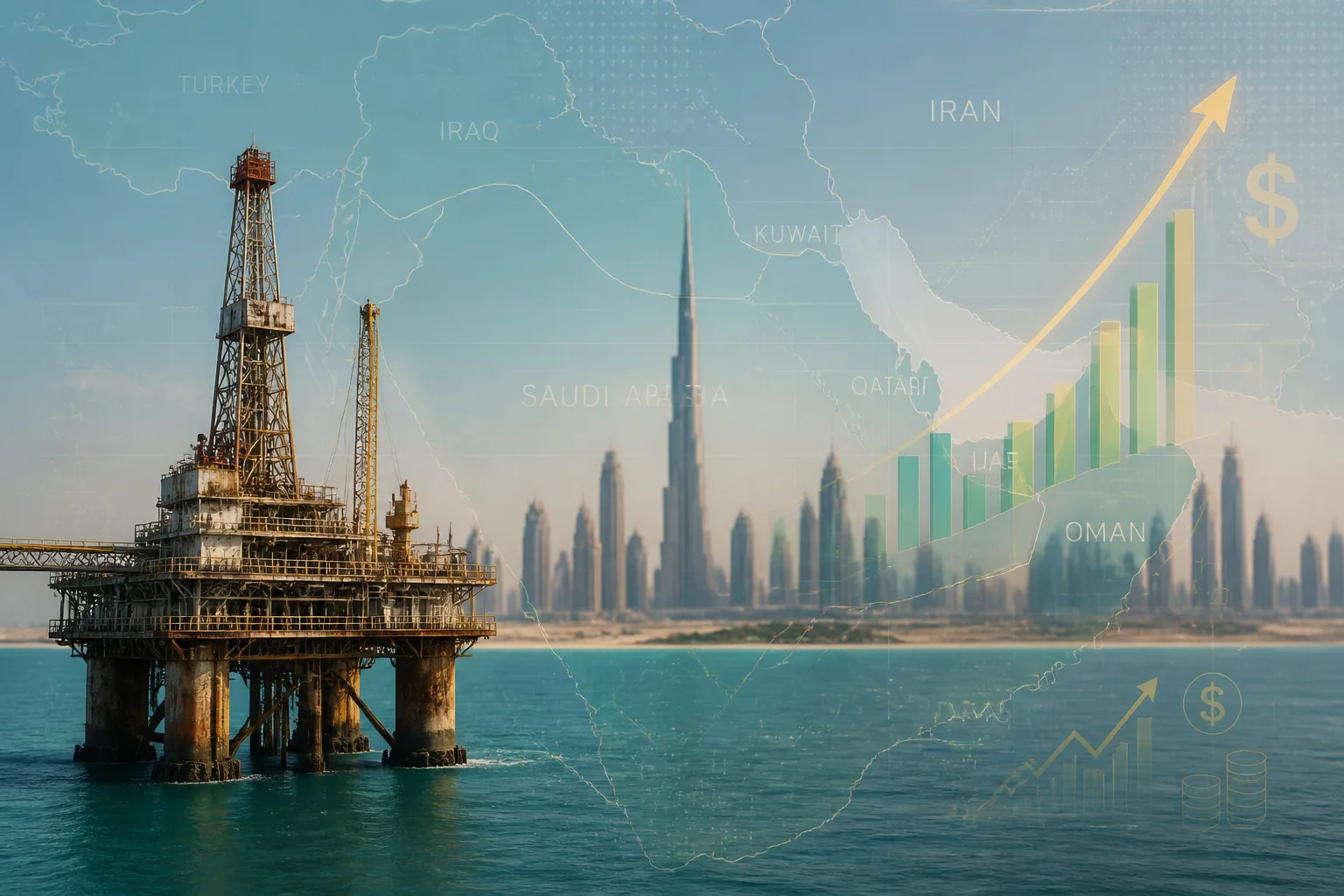
Chevron Corporation’s chief executive officer, Mike Wirth, told reporters on 12 June 2026 that the company is actively seeking new investment opportunities in the Middle East and may increase its exposure to the region in the coming years.
Wirth said that the investment climate in the Middle East has become more attractive compared with several years ago. He noted that several energy‑producing countries have introduced cooperation schemes that offer a more favourable balance of returns for investors. Chevron currently accounts for roughly 5 % of its global oil and gas production in the Middle East, a figure that is lower than that of other major oil companies that rely more heavily on the region.
According to Reuters, Wirth added that Chevron has already signed several deals in the Middle East over the past one to two years and is still in talks with other parties. The company has expressed that governments in the region are willing to negotiate terms that it considers fair, and it has completed projects such as the expansion of the Leviathan gas field in the Eastern Mediterranean, which is expected to come online toward the end of 2026.
In addition to Leviathan, Chevron has entered into agreements in other Middle Eastern markets. In February 2026, the company signed an initial agreement with Syria’s state‑owned oil company to explore the development of the country’s first offshore oil and gas field, according to state‑run media. Earlier in the year, Chevron secured new contracts in Iraq, including roles in the West Qurna 2 field, after the exit of Russian firms from the sector.
Wirth also warned that conflicts in the Middle East could bring long‑term changes to the global energy system. He said that current supply disruptions—such as those caused by the 2026 Iran war and the closure of the Strait of Hormuz—could alter energy trade patterns and influence the investment strategies of oil and gas companies in the coming years.
The broader context for Chevron’s comments is the ongoing fuel crisis triggered by the Iran war, which has disrupted roughly 20 % of global oil supply. The crisis has led to higher oil prices, supply shortages in countries that import most of their petroleum from the Persian Gulf, and heightened concerns about energy security across the region. In response, several Gulf Cooperation Council states have declared emergency measures to secure fuel supplies.
From a business perspective, Chevron’s move to deepen its Middle Eastern footprint comes at a time when the region’s energy markets are undergoing significant transformation. New infrastructure projects, such as cross‑border electricity interconnections and natural gas pipelines, are being pursued to improve supply security and reduce costs. The company’s existing projects in the Eastern Mediterranean and the Gulf of Oman position it to benefit from these developments.
While Chevron’s current Middle Eastern production represents a modest share of its global output, the company’s leadership believes that the improved investment conditions and the potential for higher returns justify a larger presence. The company’s strategy appears to be guided by a combination of market opportunities and geopolitical considerations, as it seeks to balance risk and reward in a region that remains volatile.
At present, Chevron has not announced specific new projects or investment amounts. The company’s ongoing discussions with governments and partners in the Middle East suggest that additional deals may be announced in the near future. The company’s focus on the region will likely continue to evolve in response to both market dynamics and the geopolitical landscape.
In summary, Chevron’s CEO has signaled a willingness to increase the company’s exposure to the Middle East as investment conditions improve. The company has already secured several projects in the region and is in talks with additional partners. The broader geopolitical environment, including the Iran war and supply disruptions, remains a key factor shaping the company’s strategy and the future of the global energy market.