Egypts Gas System Readied for Summer Demand, Minister Says
When the desert heat climbs, Egypt’s energy grid is already set to keep the lights on.
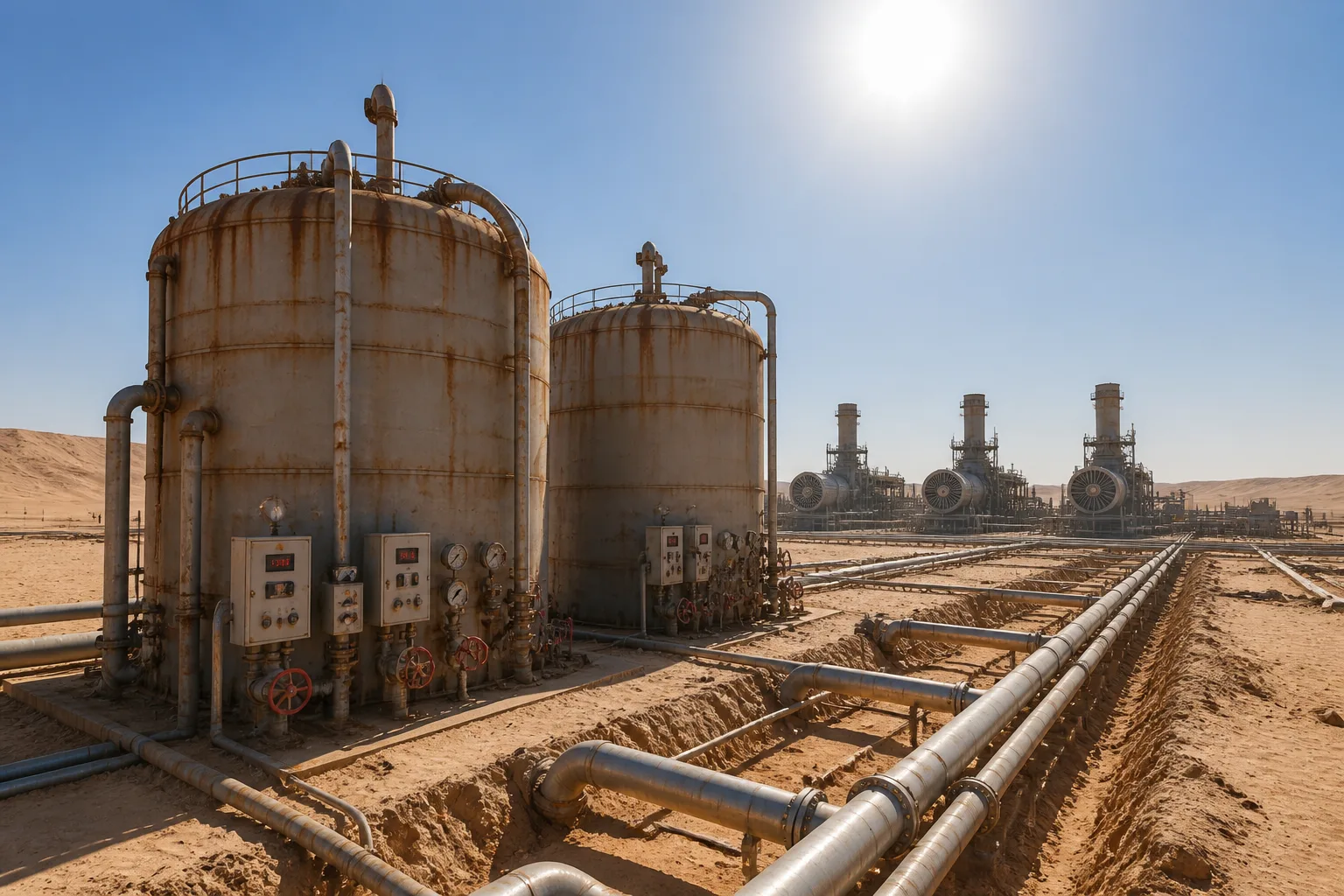
At a bustling LNG import terminal on the Mediterranean coast of Ain Sokhna, Minister of Petroleum and Mineral Resources Karim Badawi walked the corridors of the country’s most critical gas infrastructure. He checked the pumps, listened to the hum of compressors, and confirmed that the integrated natural‑gas supply system is fully equipped to handle the surge in demand that summer brings.
Egypt’s LNG import network is a quartet of floating storage and regasification units (FSRUs). Two – the Höegh Galleon and Energos Eskimo – dock at Sumed Port, a third, Energos Power, sits at Sonker Port, and the fourth unit operates from the Damietta terminal. Together, these vessels provide a combined regasification capacity of roughly 2.7 billion cubic feet per day (bcf/d), a figure that translates into enough gas to power the national grid, industrial plants, and other high‑consumption sectors when temperatures soar.
The minister cited last summer’s performance as proof of the system’s resilience. In July, Egypt’s electricity demand eclipsed 40,000 megawatts—a record that underscored the network’s ability to stay stable even under peak load conditions.
Beyond the physical assets, Badawi highlighted the government’s commitment to fostering investor confidence. He announced that all outstanding payments to international oil companies have been cleared, wiping out the $6.1 billion in arrears that had accumulated by the end of June 2024. According to the minister, eliminating these dues will create a more reliable and attractive environment for foreign partners operating in Egypt’s energy market.
Egypt has secured LNG supply contracts that run through 2026, with an estimated value of $8 billion, according to a government source. While the country remains a net LNG importer until at least 2030—having not yet resumed exports—these new agreements are part of a broader strategy to diversify supply sources and reduce reliance on domestic production.
The focus on energy security dovetails with regional developments. The Arab Gas Pipeline, which carries gas from Egypt to Jordan, Syria and Lebanon, remains a vital export route. Yet domestic consumption has outpaced production, prompting the expansion of LNG imports to meet the growing demand.
Amid these preparations, the electricity ministry is tightening its grip on grid stability. Electricity Minister Mahmoud Esmat has directed production, transmission and distribution companies to raise preparedness levels in anticipation of a projected 7 % rise in summer demand. The combined effort aims to avoid rolling blackouts and maintain continuous supply.
With expanded regasification capacity, a proven track record under last summer’s peak load, and the elimination of arrears, Egypt is positioned to meet its energy needs without compromising reliability. The government’s actions also signal a commitment to creating a predictable investment climate for international energy companies.
Looking ahead, the focus will remain on operating the existing FSRUs efficiently while integrating new units as they become available. The ministry will also monitor the LNG supply chain to ensure that the 2026 contracts are fulfilled and that Egypt’s energy security objectives are maintained.
In sum, Egypt’s integrated natural‑gas system is ready for the upcoming summer demand, boasting a regasification capacity of 2.7 bcf/d, a history of handling high electricity loads, and a cleared arrears balance that bolsters investor confidence. With LNG contracts in place through 2026 and a steadfast focus on grid stability, the country aims to remain a reliable energy supplier for the region.