EU Lacks Unanimity on Sanctions Against Israeli Security Minister Itamar Ben-Gvir Amid Flotilla Controversy
On 15 June 2026, the European Union’s foreign‑policy council gathered in Luxembourg, but the meeting concluded without a unified decision to sanction Israel’s national security minister, Itamar Ben‑Gvir. The impasse highlights the deepening divide among member states over how to respond to Israel’s conduct in the occupied territories.
EU foreign‑policy chief Kaja Kallas announced that unanimity was still absent. She explained that any sanction on an individual or entity requires the backing of all 27 member states. Her brief survey of national delegations revealed that several countries, most notably Czechia, would not support punitive measures linked to the flotilla incident. The lack of consensus reflects broader tensions within the bloc about Israel’s policies.
The controversy stems from an October 2023 event in which Ben‑Gvir, then a senior official in the Israeli government, was filmed taunting activists aboard a Gaza‑bound flotilla that was intercepted by Israeli forces. In the footage, he waved the Israeli flag while detained activists were pinned to the ground. The clip quickly went viral, prompting criticism across Europe and a wave of calls for accountability.
Ben‑Gvir is already under investigation in Italy and France for his treatment of European activists. In addition, Ireland and several other EU states have imposed travel bans on the minister. The bans were enacted after the video was released on social media, and the incident drew a sharp rebuke from Israeli Prime Minister Benjamin Netanyahu, who said the minister’s actions were “not in line with Israel’s values.”
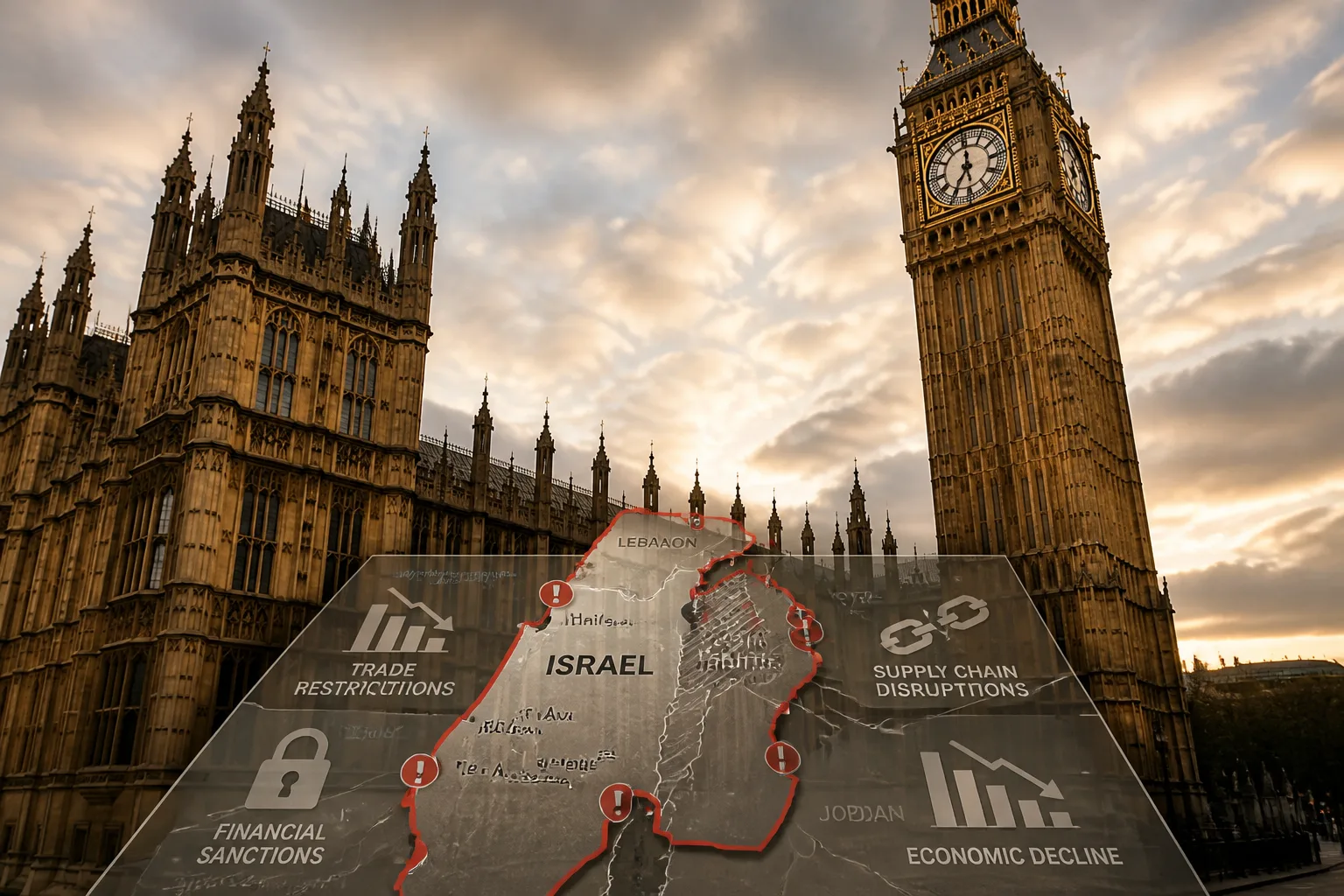
Beyond the flotilla issue, EU officials are debating whether to suspend trade provisions in the EU‑Israel Association Agreement. The agreement grants Israel preferential access to EU markets and contains a trade element that could be halted by a qualified majority vote. Diplomats report that a majority in favour of suspension has yet to be achieved, partly because some states fear losing Israel’s access to Horizon research funding and other EU programmes.
At least 15 member states have signalled a willingness to consider a ban on goods originating from Israeli settlements in the West Bank. Such a measure would require a legal proposal from the European Commission, which has not yet been submitted. Irish Foreign Minister Helen McEntee has urged the Commission to advance a proposal that would prohibit the sale of settlement products, citing a 2025 investigation by Global Echo. The study examined more than 30,000 trade documents and found that nearly one in five shipments of agricultural products to the EU and UK markets originated in settlements, and one in six shipments of citrus, dates, tahini and other fresh produce were sourced from settlements.
The EU’s stance on sanctions and trade measures is shaped by its common foreign‑security policy framework, which demands unanimity for individual sanctions and a qualified majority for trade‑related decisions. The current lack of consensus illustrates the difficulty of aligning member states’ positions on Israel, especially when balancing diplomatic relations with policy objectives related to human rights and international law.
As of 15 June 2026, the EU has not adopted any new sanctions against Ben‑Gvir, and no formal proposal has been tabled to ban settlement goods. The situation remains fluid, with ongoing discussions among member states and the European Commission expected to determine the next steps in the coming weeks.