India Raises Windfall Tax on Diesel and Aviation Fuel Exports Amid West Asia Tensions
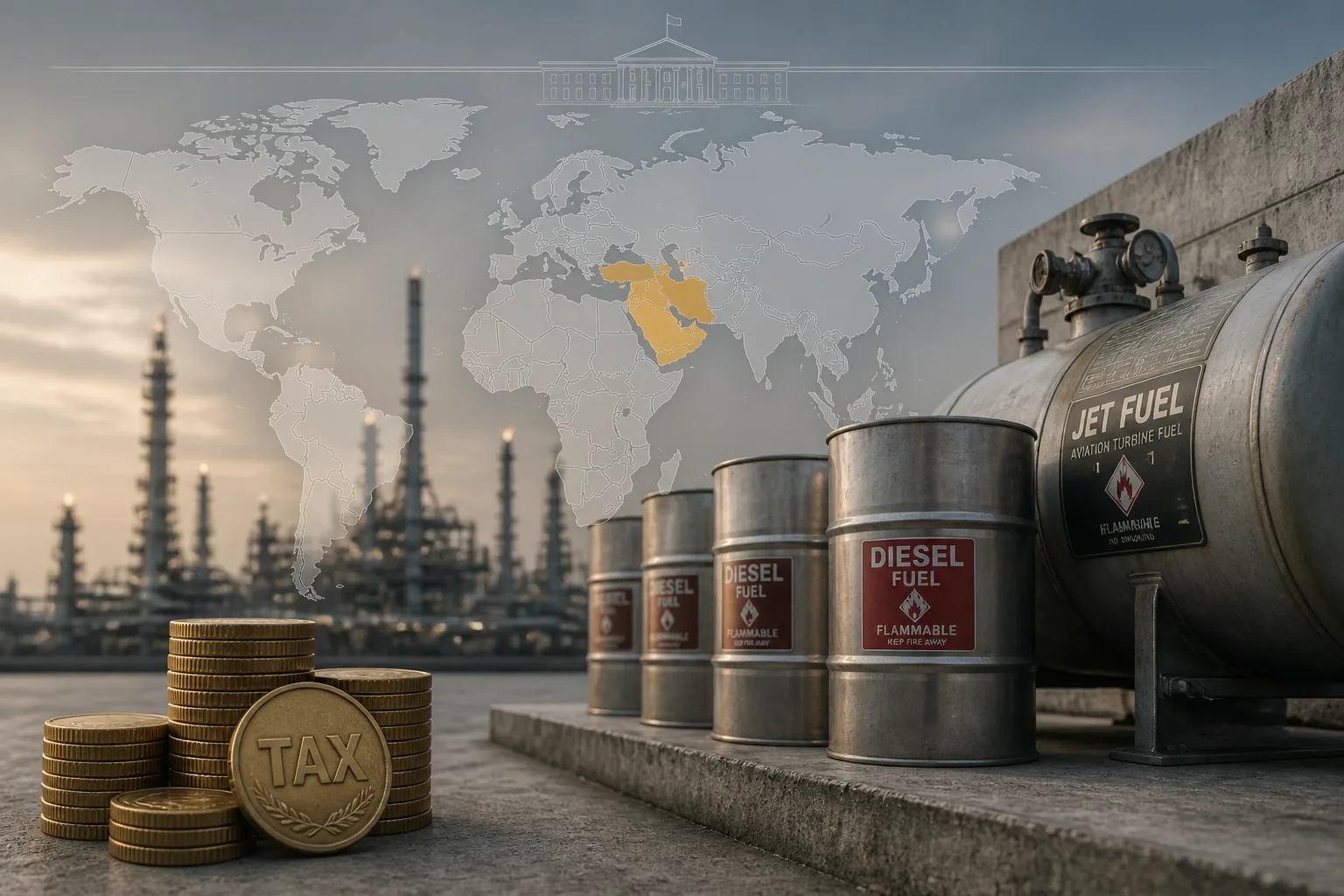
In a decisive move aimed at securing domestic fuel supplies, New Delhi announced a hike in its windfall profit tax on diesel and aviation turbine fuel (ATF) exports. The Finance Ministry’s notification, issued on 15 June, lifts the Special Additional Excise Duty (SAED) to Rs 14 per litre for diesel and Rs 12.5 per litre for ATF, up from Rs 13.5 and Rs 9.5 respectively. The change will take effect on 16 June, while the duty on petrol exports remains unchanged at Rs 1.5 per litre.
The adjustment follows a series of fortnightly revisions that began in March 2026, when India re‑introduced the windfall tax after escalating tensions in West Asia pushed global crude prices higher. According to the ministry, the levies are designed to safeguard domestic fuel availability and to capture the excess profits refiners earn when international prices outstrip domestic rates. A government official explained that the duties “are imposed to ensure adequate domestic availability of petroleum products at a time when geopolitical tensions have pushed up global crude oil prices.”
India is one of the world’s largest refining hubs, shipping significant volumes of petroleum products across Asia, the Middle East and beyond. The periodic review of export duties is intended to respond to fluctuations in international crude prices and refining margins. In May, the ministry had extended the levy to petrol exports, and the current June changes are part of that ongoing reassessment.
Industry analysts note that the increased duties on diesel and ATF may trim export profitability for some refiners, but the policy is framed as a priority for domestic energy security. The government has repeatedly argued that the windfall tax mechanism prevents exporters from exploiting price spikes caused by global supply disruptions.
The policy shift comes amid continued volatility in global oil markets triggered by the escalating conflict in West Asia. The United States’ recent attack on Iranian targets and the subsequent retaliatory strikes have heightened uncertainty in the region, affecting shipping routes and refining operations. Analysts say the Indian government is monitoring the situation closely and is prepared to adjust duties further if market conditions change.
The Finance Ministry’s notification also reaffirmed that the export duties on petrol remain at Rs 1.5 per litre, a rate that has been in place since the windfall tax was first introduced. The unchanged petrol duty reflects the government’s assessment that domestic supplies are sufficiently secure and that additional levies could unduly burden consumers.
The windfall tax regime balances revenue generation with supply security. By levying a per‑litre duty on exports, the government can capture a portion of the premium refiners earn when international prices exceed domestic prices. The revenue generated is intended to offset the cost of maintaining strategic petroleum reserves and to support domestic fuel pricing stability.
In summary, from 16 June the SAED on diesel exports will be Rs 14 per litre and on ATF exports Rs 12.5 per litre, while the petrol export duty remains at Rs 1.5 per litre. The changes are part of a broader strategy to safeguard domestic fuel supplies amid volatile global markets and geopolitical tensions in West Asia.
The ministry has not indicated any immediate plans to alter the domestic excise rates on petrol or diesel for local consumption. The next review of export duties will likely occur in the coming weeks as the government continues to monitor international oil price movements and regional security developments.