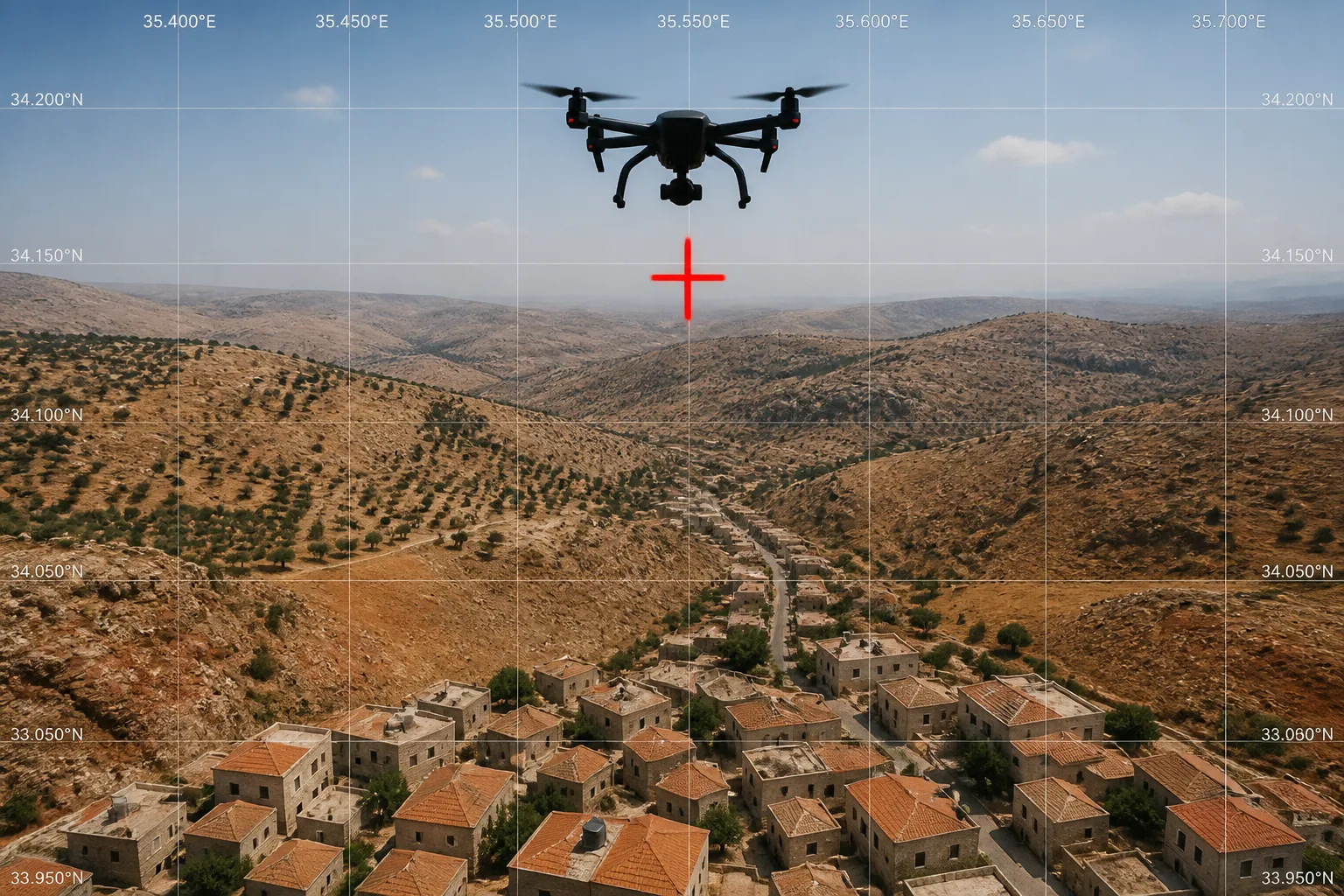
Israeli Drone Strike Kills One in South Lebanon Amid US-Iran Peace Deal
An Israeli drone strike that killed a single person in the southern Lebanese village of Kfar Tibnit was reported on Monday, the first fatal attack in the area since a peace agreement was announced between Washington and Tehran to end the broader Middle East war.
The National News Agency (NNA), Lebanon’s state‑run news outlet, said the strike was carried out by an enemy drone aircraft that targeted a car at the Kfar Tibnit roundabout. The driver of the vehicle was killed, according to the NNA. No other casualties were reported.
Kfar Tibnit lies about 4 kilometres southeast of the city of Nabatieh, in the Nabatieh Governorate. The village is part of a region that has seen repeated Israeli air and artillery operations over the past decade, often linked to cross‑border tensions with Hezbollah and other Lebanese armed groups.
The incident occurred just hours after a deal was announced between the United States and Iran to end hostilities across the Middle East. The agreement, signed on 14 June 2026, calls for the immediate and permanent termination of all military operations on all fronts, including in Lebanon. The strike therefore raises questions about the security situation in the south as the region moves toward a broader ceasefire.
In the wake of the strike, Lebanon’s army issued a warning to displaced residents in the south. Army officials urged people who had fled the area during recent hostilities to delay their return to villages along the southern border. The warning came as the army was monitoring the movements of civilians in towns where Israeli forces had not yet re‑established a presence.
AFP correspondents, who have been covering the southern Lebanese front since Monday, reported that residents were cautiously beginning to return to several areas where Israeli forces were not operating. The return has been slow, with many families still awaiting security assurances before moving back into their homes.
The Israeli strike is part of a pattern of drone and artillery attacks that have targeted southern Lebanon for years. In recent months, the Israeli military has conducted a series of airstrikes aimed at what it says are Hezbollah positions or infrastructure. These operations have often resulted in civilian casualties and property damage, prompting criticism from Lebanese officials and international observers.
The broader context of the conflict dates back to the 2023 escalation between Israel and Hezbollah, which led to a wider regional war involving the United States and Iran. The 2026 peace deal is intended to bring an end to that conflict, but the persistence of isolated strikes suggests that tensions remain high in certain hotspots.
The death of the driver in Kfar Tibnit is a reminder of the human cost of the ongoing hostilities. While the NNA confirmed the casualty, it did not provide details about the victim’s identity or whether the vehicle was linked to any armed group. No statements have been released by the Israeli military regarding the target or the rationale for the strike.
Lebanon’s government has called for a comprehensive ceasefire and has urged all parties to respect the sovereignty of the Lebanese state. The army’s cautionary stance toward displaced residents reflects the uncertainty that still exists in the south, where the presence of foreign forces and the potential for renewed attacks remain concerns.
As the United States and Iran prepare to sign the final documents of the peace agreement, the international community will be watching closely to see whether the cessation of hostilities will extend to all fronts, including the southern border of Lebanon. The Israeli strike in Kfar Tibnit, occurring at a critical juncture, underscores the fragility of the ceasefire and the need for continued vigilance.
At present, the Lebanese army continues to monitor the situation in the south, while displaced residents remain on hold. The next steps will depend on the implementation of the peace deal and the actions of the parties involved in the conflict.