Middle East Faces Simultaneous Surge in Conflicts: Gaza, Lebanon, Iran, and Red Sea Tensions
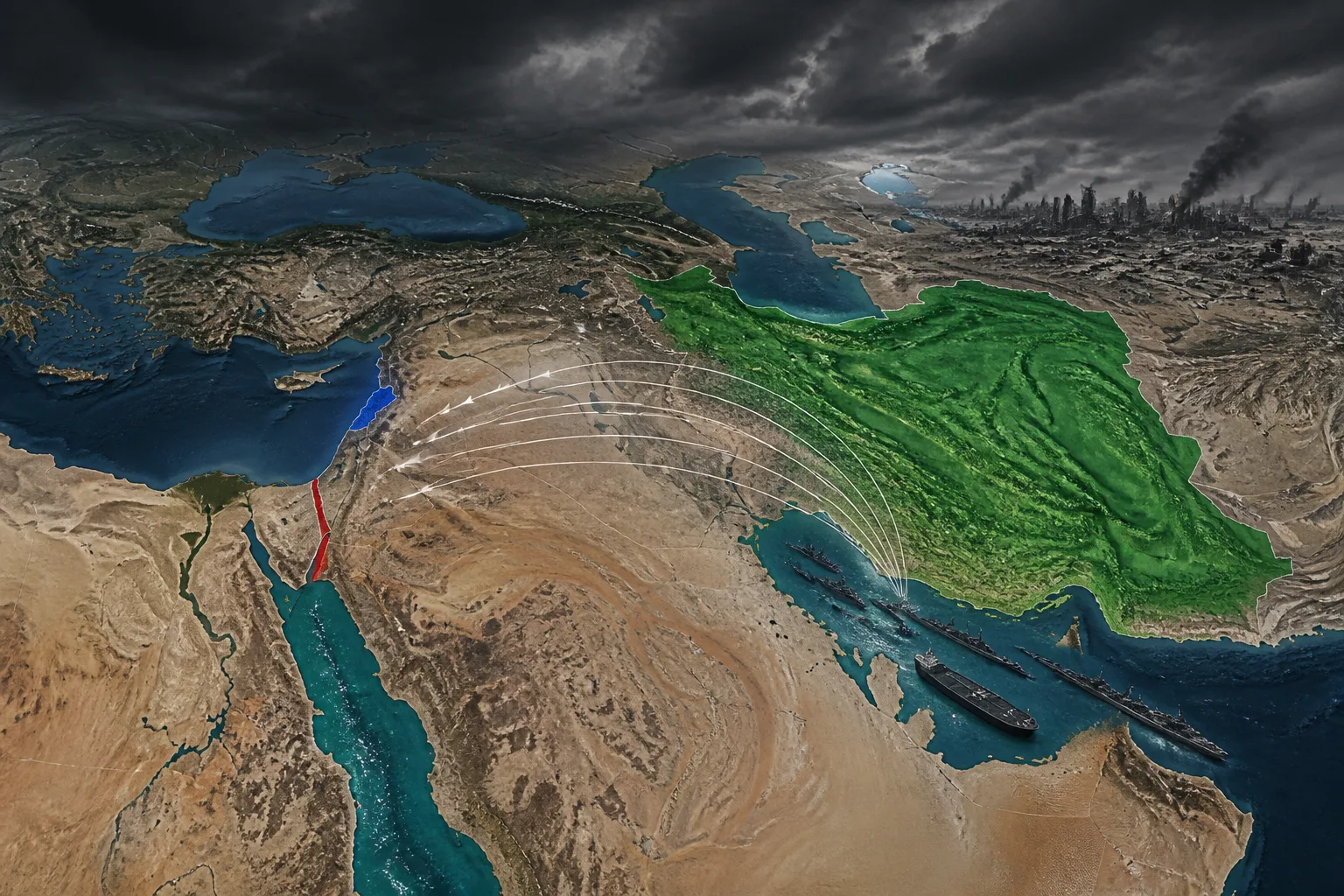
Across the Middle East, a rare convergence of armed confrontations now stretches from the besieged Gaza Strip to the volatile waters of the Red Sea. The 2023‑onset Gaza war remains the region’s flashpoint, while Israel’s southern frontier with Lebanon has seen renewed clashes with Hezbollah since March 2026. Simultaneously, a fresh chapter in the Israel‑Iran standoff has erupted, and the Red Sea’s vital shipping lanes are under increasing threat from regional hostilities. These overlapping crises have captured the attention of the United States, Russia, and China, all wary of a broader escalation.
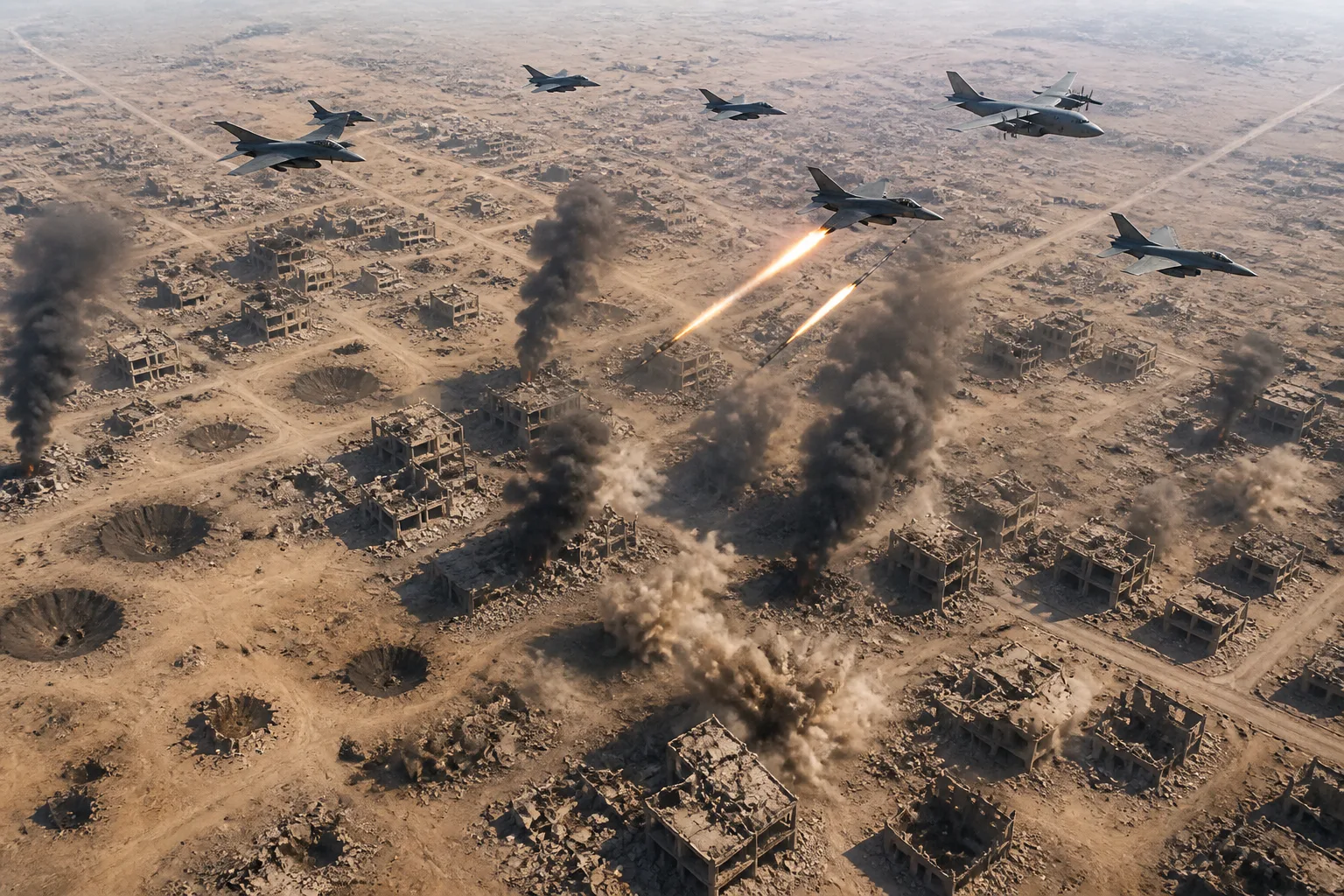
Since its outbreak in 2023, the Gaza war has remained a pivotal factor in regional security assessments. Israeli offensives in Gaza City and its environs have inflicted heavy civilian casualties and displaced thousands. The struggle has galvanized Arab and Muslim communities across the region, shaping public sentiment and diplomatic stances in neighboring states. The humanitarian impact is dire, with acute shortages of food, water, and medical supplies reported in the densely populated strip.
Lebanon’s security landscape rattled again in early 2026 when Israel struck Hezbollah positions along its southern border. As a Shia Islamist party with a formidable armed wing, Hezbollah has long been a central actor in Lebanon’s politics and security. The resumption of hostilities heightens the possibility that Lebanon could turn into a front in a broader regional showdown. Israeli forces have focused on Hezbollah infrastructure, while the Lebanese army now wrestles with the spill‑over fallout.
February 2026 marked a turning point in the Israel‑Iran rivalry when Israel, backed by the United States, launched a coordinated airstrike campaign targeting Iranian military sites. The operation culminated in the assassination of Iran’s Supreme Leader, Ali Khamenei, on 28 February 2026. In retaliation, Iran fired missiles and executed cyberattacks against Israeli and U.S. assets. The escalation has deepened an already fraught rivalry and pulled in other regional actors aligned with either side.
The Red Sea has emerged as a new flashpoint for maritime security. This vital corridor, which connects the Suez Canal to the Gulf of Aden and the Arabian Sea, has seen a spate of incidents—attacks on commercial vessels and interceptions of drones and missiles near the Bab el‑Mandeb Strait. Such events jeopardize the unhindered flow of goods, drive up insurance premiums for shipping companies, and heighten the risk of wider economic fallout.
Great‑power engagement adds further complexity. The United States operates numerous military bases and security alliances across the region, while Russia seeks strategic influence through political, military, and economic channels. China’s expanding footprint centers on trade, infrastructure projects, and energy deals. Each nation aims to safeguard its interests without triggering a full‑scale war, yet their overlapping operations can foster miscalculations.
Miscalculation risks mount as numerous actors simultaneously maneuver across several conflict zones. A limited strike in one theater can be read as a prelude to a broader offensive, triggering retaliatory blows that may spiral into wider hostilities. Domestic political pressures in Israel, Lebanon, Iran, and neighboring states further complicate decision‑making. For civilians in border towns, the threat is immediate; for businesses, the uncertainty dampens investment and job prospects.
In sum, the Middle East faces a tangled web of conflicts tied together by unresolved disputes, regional rivalries, and great‑power rivalry. The Gaza war, Israel‑Lebanon skirmishes, the Israel‑Iran flare‑up, and Red Sea security incidents all feed into one another, producing a volatile environment. While most actors are keen to avert a full‑scale war, the present configuration of tensions means that any misstep could spark a broader regional crisis. The international community watches closely, but the coming weeks will decide whether the region de‑escalates or moves toward a wider confrontation.