Oil Prices Drop as Iran-US-Israel Agreement Signals End to Hormuz Blockade
On Friday, global markets surged as news of a fresh Iran‑U.S.‑Israel agreement hinted at a return to normal shipping through the Strait of Hormuz. Brent crude dropped over 4 % to roughly $83 a barrel, while UK gas prices slipped 6 %. The rally signals traders’ confidence that the war‑driven supply shock that erupted on 28 February 2026 is winding down.
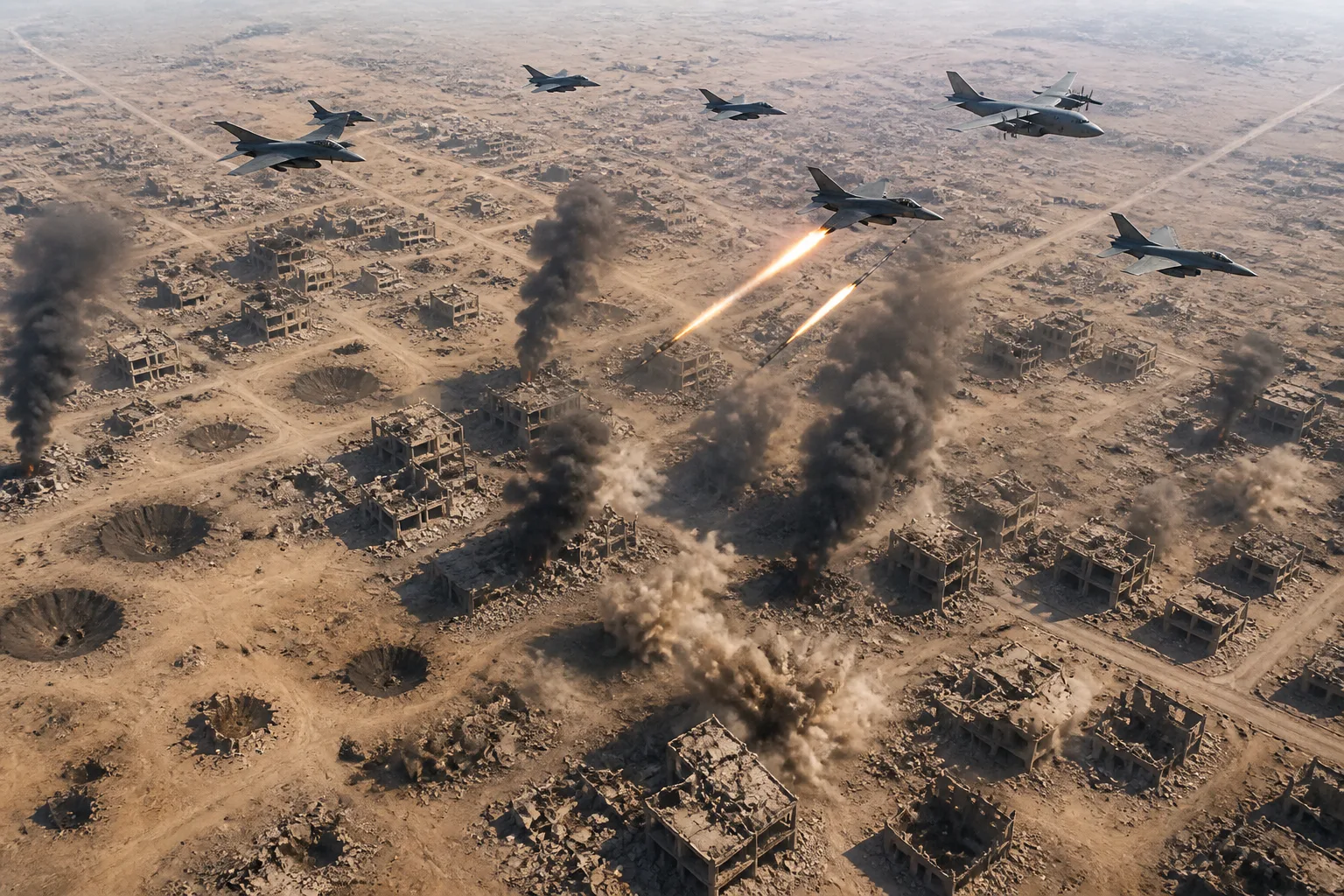
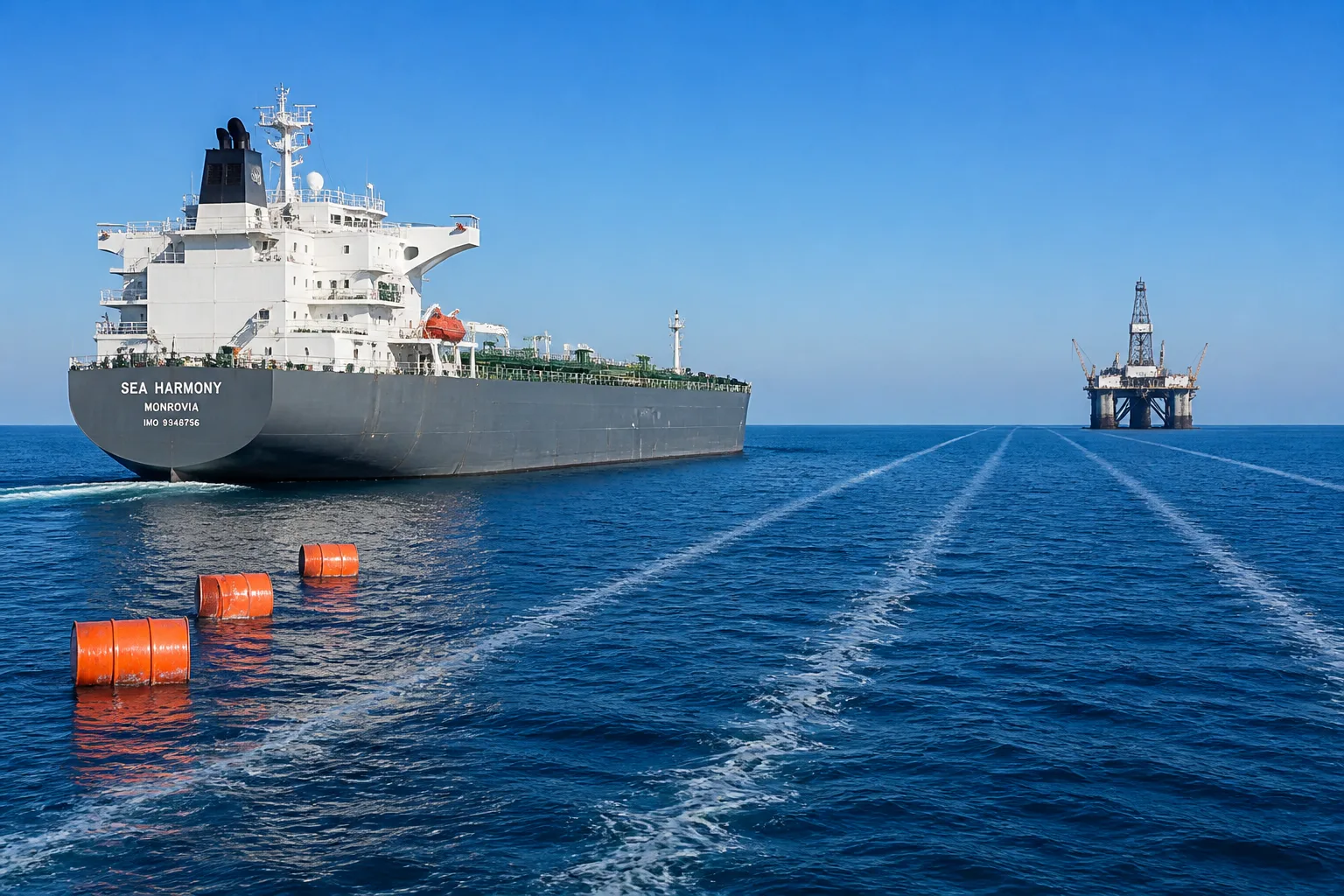
The crisis began after a coordinated U.S.‑Israeli air strike that targeted Iranian positions and allegedly killed Supreme Leader Ali Khamenei. The strike prompted a blockade of the Strait of Hormuz, the sole maritime corridor that carries 25 % of global seaborne oil and 20 % of LNG. For three months, shipping through the strait ground to a halt, sending Brent into the mid‑$90s and tightening inflationary pressure on businesses and consumers around the world.
On 14 June, the United States and Iran unveiled a framework agreement aimed at ending the blockade and reopening the strait. Pakistan and Qatar acted as mediators, and the parties plan to formalise the deal in Switzerland. The framework extends the current ceasefire for 60 days, calls for the removal of mines, and opens a window for talks on Iran’s nuclear programme, the disposal of highly enriched uranium, sanctions relief, and the return of frozen Iranian assets. While it leaves many questions unresolved, traders viewed the accord as a tangible move toward normalising energy flows.
Susannah Streeter, chief investment strategist at Wealth Club, said, "Investors are buzzing with relief as a longer‑term solution to the Middle East crisis appears to have been clinched." She added, "After months of dashed hopes, a more secure deal seems to have been struck between the US, Iran and Israel, which should allow oil, gas and other essential supplies to flow freely through the Strait of Hormuz."
Streeter cautioned that, although energy prices are easing, they remain elevated: Brent sits roughly 16 % above pre‑war levels, while UK gas is over 30 % higher than before the conflict. The persistence of uncertainty is rooted in damage to Gulf infrastructure and the gradual pace at which shipping can resume.
The dip in prices has shifted expectations for monetary policy. Both the Bank of England and the U.S. Federal Reserve are widely anticipated to hold policy rates steady at their forthcoming meetings. "There is an expectation that inflation will no longer be as burdensome for economies, prompting a reassessment of where interest rates could ultimately land," Streeter noted.
Inflationary effects are already apparent: energy‑related components of the consumer price index have eased, and firms are reporting lower input costs. Central banks have acknowledged the improvement yet remain cautious, citing the need for a steady supply restoration and the potential for fresh geopolitical shocks.
Reopening the Strait of Hormuz carries substantial implications for regional economies. Gulf states—including the United Arab Emirates, Qatar, Bahrain, Kuwait and Iraq—depend on the passage for their oil exports. A resumption of traffic will ease storage pressures and cut the cost of imported fuels, a long‑standing burden on the region’s economies.
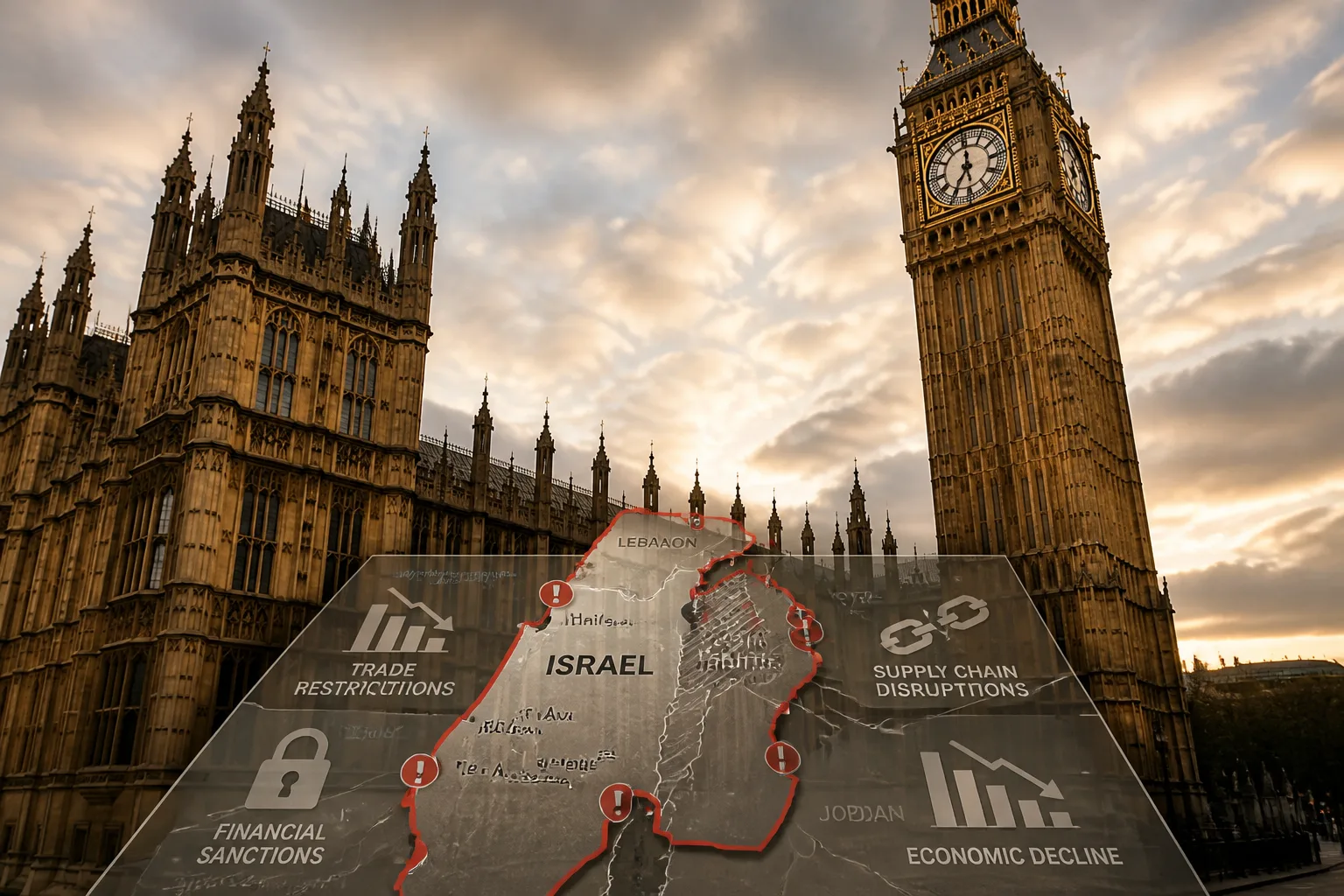
Despite the optimism, analysts warn that the 60‑day ceasefire extension is merely a temporary fix. A comprehensive settlement of Iran’s nuclear programme and the removal of sanctions will demand further negotiations. Until those matters are settled, the threat of renewed disruptions persists.
In the near term, market reactions indicate that investors see the accord as a credible step toward ending the war‑driven energy crisis. The decline in Brent and gas prices, alongside expectations that central banks will pause rate hikes, hints at a potential easing of inflationary pressures in the months ahead.
The situation remains fluid; the coming weeks will be pivotal in confirming the deal’s implementation and in assessing whether restored energy flows can fully compensate for wartime damage to Gulf infrastructure.
The signing in Switzerland is expected to formalise the framework and launch the next phase of negotiations. If the deal holds, the region could witness a gradual return to pre‑war energy prices and a corresponding stabilization of inflation and interest rates.