U.S. Analysts Debate Iran War Outcomes and the Path to a New Agreement
On June 15, 2026, The Free Press published an article featuring Aaron MacLean, Elliott Abrams, Sohrab Ahmari, and Martin Gurri. The piece explored what the ongoing war with Iran has achieved, its costs, and what a future agreement could mean for the United States and the wider Middle East.
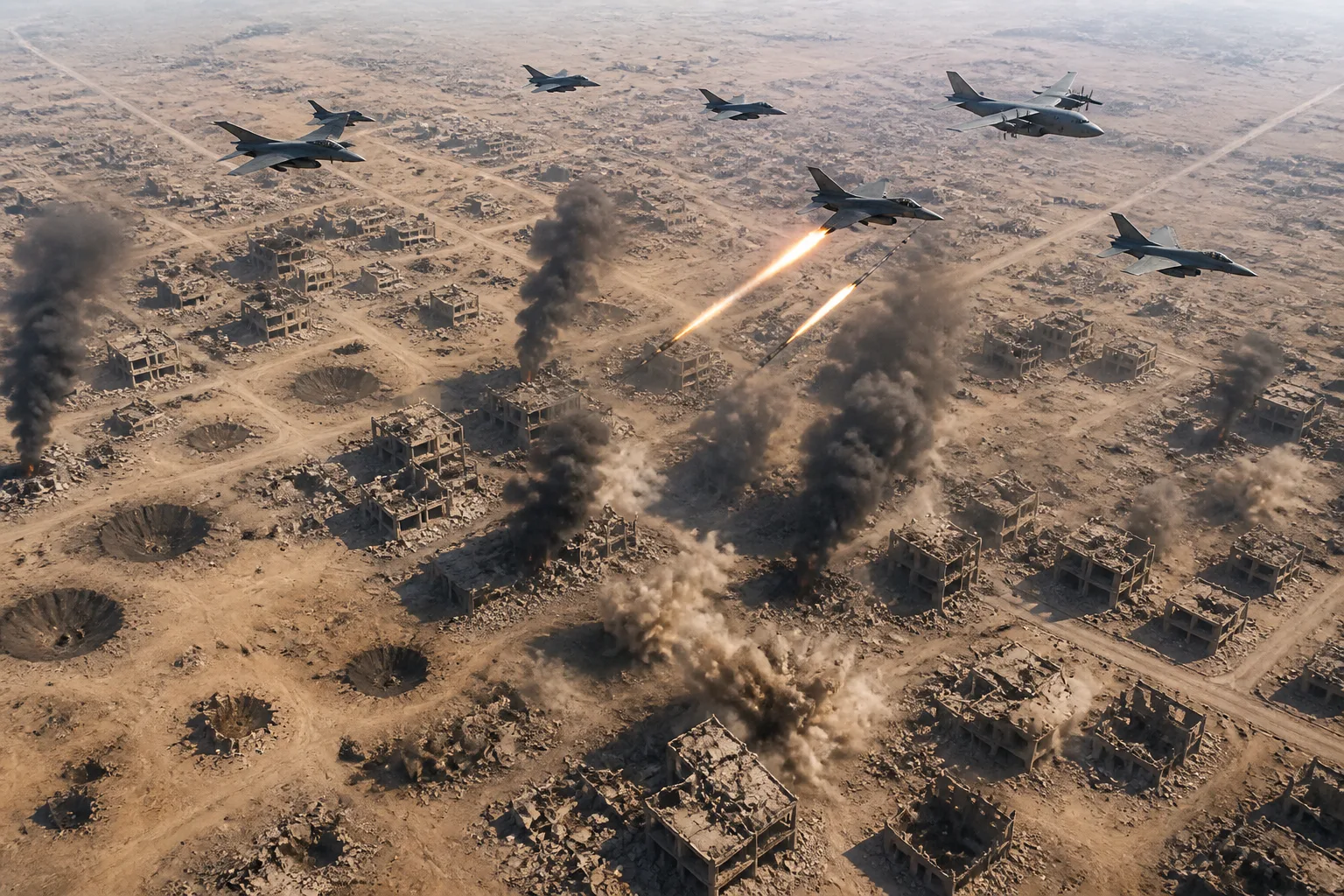
The conflict, which began in 2023 after a series of Iranian missile attacks on U.S. forces in Iraq, has drawn the United States into a protracted campaign aimed at degrading Iran’s ballistic missile and nuclear programs. The war has involved air strikes, sanctions, and diplomatic pressure, and has reshaped the security calculus of Gulf states and Israel.
Aaron MacLean, a former Marine infantry officer who served in Afghanistan and now a senior fellow at the Hudson Institute, argues that the war has reinforced U.S. deterrence in the region. According to the article, MacLean notes that the U.S. has maintained a credible threat against Iran, thereby limiting the country’s ability to project force beyond its borders.
Elliott Abrams, who served as the U.S. Special Representative for Iran under the Trump administration, highlights the diplomatic dimension of the conflict. The article reports that Abrams has warned that any agreement must include stringent safeguards against Iran’s nuclear ambitions and that the U.S. will continue to support Israel’s security interests.
Sohrab Ahmari, a former op‑ed editor of the New York Post and a columnist for First Things, focuses on the cultural and ideological aspects of the war. The piece cites Ahmari’s view that the conflict has exposed deep divisions within the U.S. over how to engage with authoritarian regimes and the role of traditional values in foreign policy.
Martin Gurri, a former CIA analyst and author of The Revolt of the Public, emphasizes the informational and media environment surrounding the war. According to the article, Gurri argues that the U.S. has used public diplomacy to shape domestic and international perceptions of Iran’s threat, but that misinformation can undermine trust in official narratives.
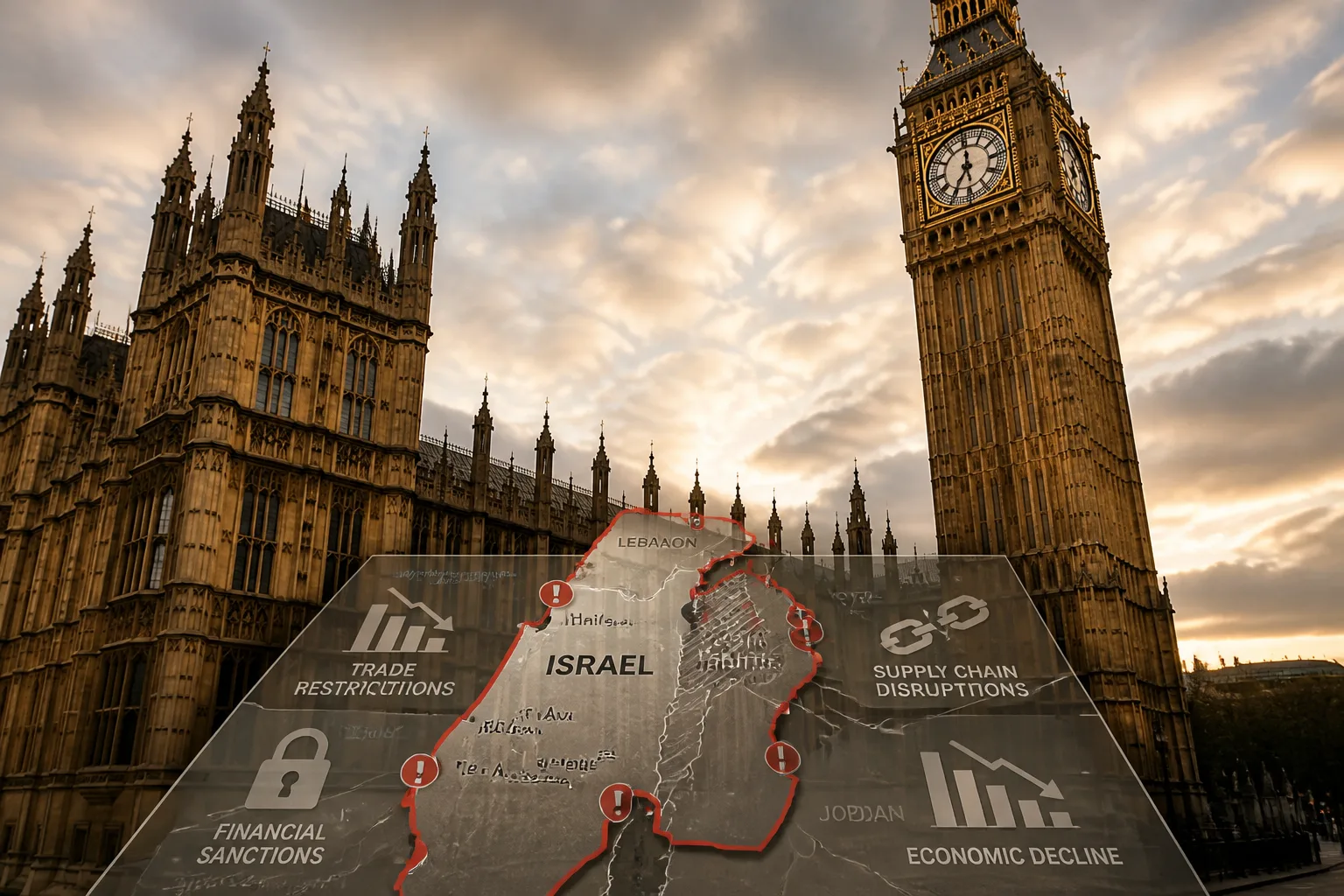
The war’s costs are significant. The article notes that the conflict has resulted in substantial casualties among U.S. and allied forces, as well as civilian losses in the region. Economic disruption has been felt through increased oil prices, higher insurance premiums for shipping lanes, and tighter supply chains for critical minerals.
In terms of achievements, the war has reportedly degraded key Iranian missile sites and disrupted the supply chain for ballistic missile components. The article indicates that U.S. intelligence agencies report a measurable reduction in Iran’s operational readiness, which has bolstered U.S. and allied confidence in the region.
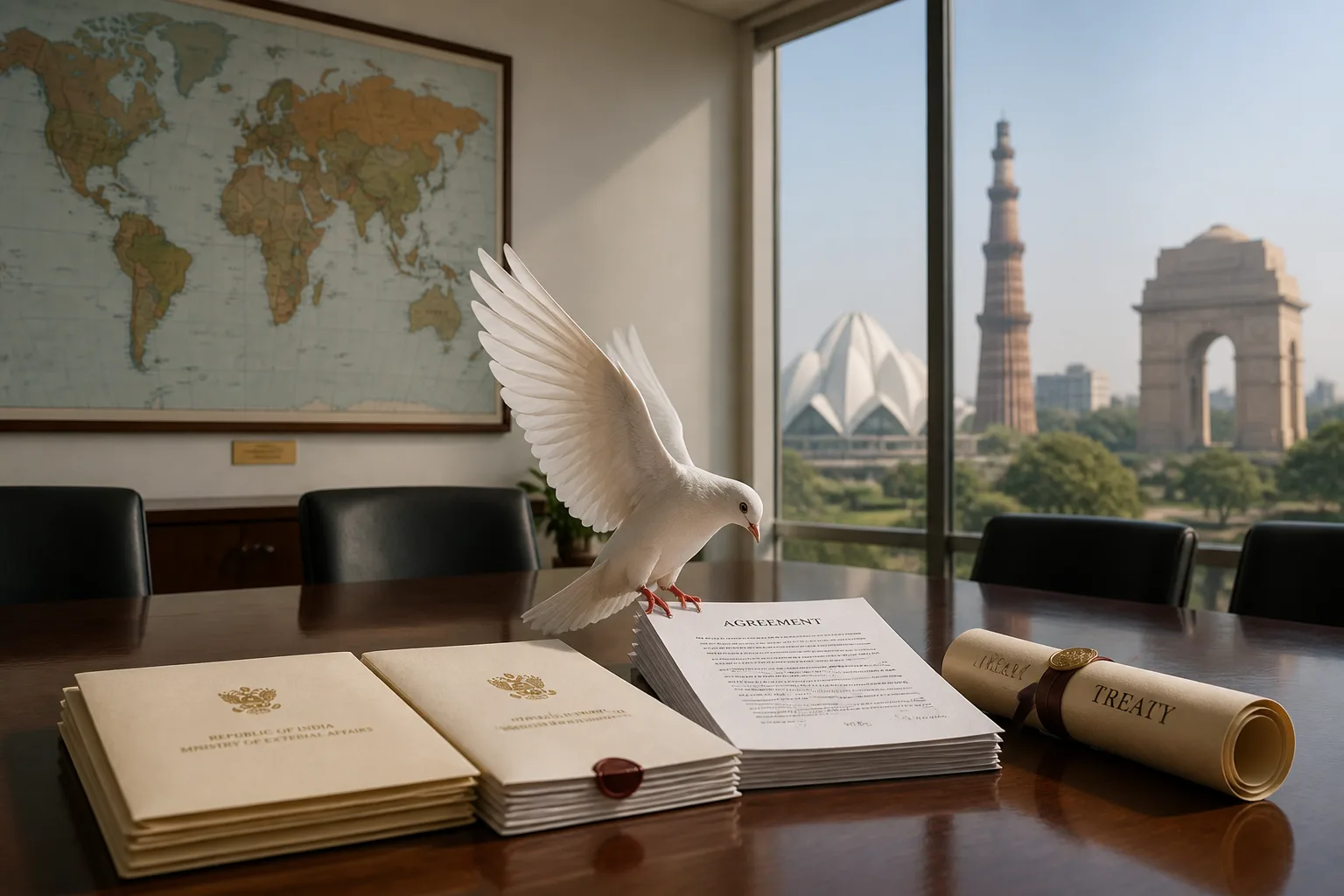
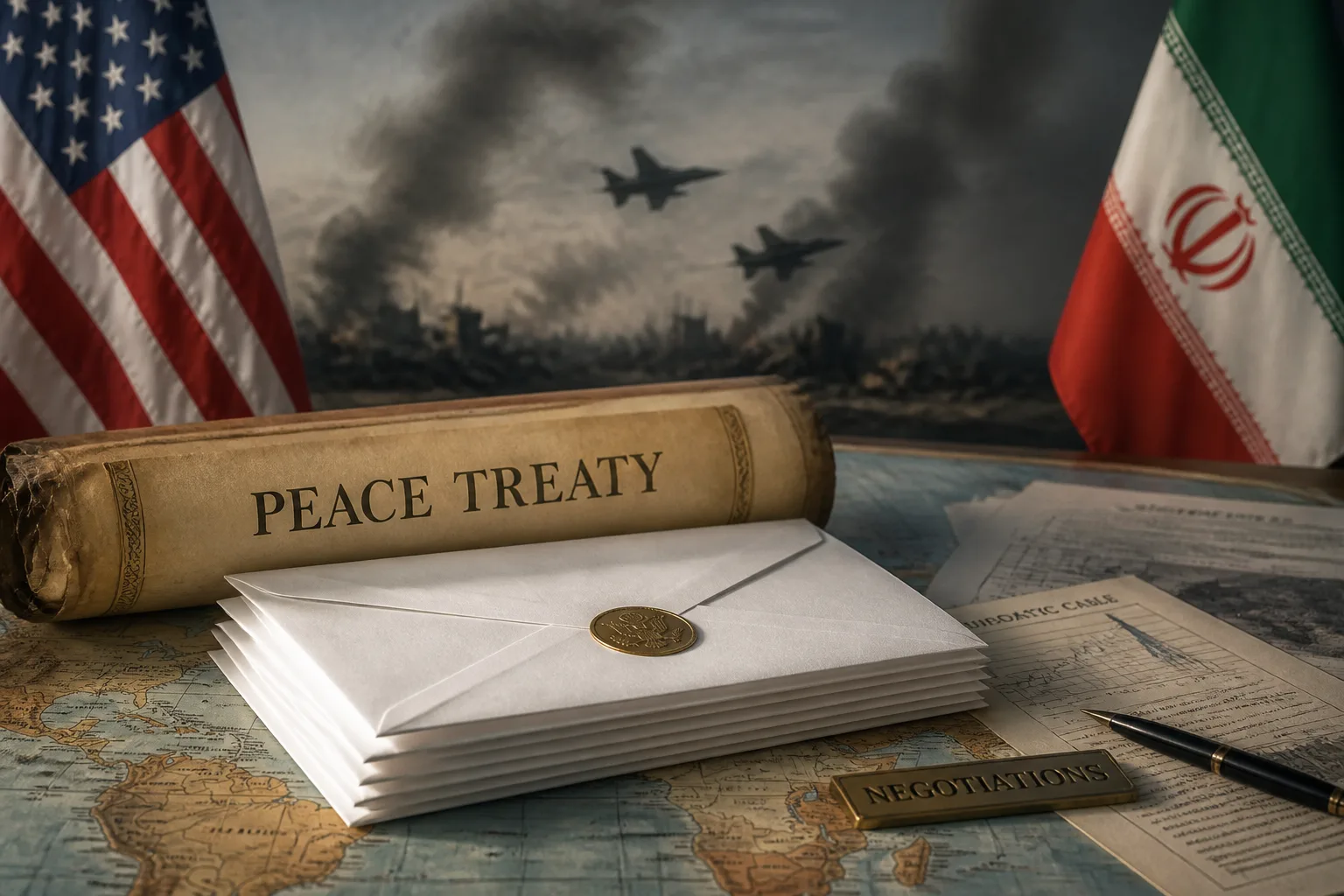
A potential agreement, as discussed by the contributors, would likely involve a phased lifting of sanctions in exchange for verifiable limits on Iran’s nuclear program and missile development. The article stresses that such an accord would need to be backed by robust verification mechanisms and would have to address the security concerns of Israel and Gulf allies.
The regional implications are profound. Gulf states have increased their defense spending in response to the war, while Israel has intensified its intelligence cooperation with the United States. The article notes that any diplomatic settlement could alter the balance of power in the Persian Gulf and affect the strategic calculus of neighboring countries.
In conclusion, the Free Press piece presents a multifaceted view of the Iran war, highlighting the strategic gains for the United States, the heavy human and economic toll, and the complex path toward a negotiated settlement. The next steps, according to the article, will involve continued diplomatic engagement, rigorous verification of compliance, and a reassessment of U.S. policy toward Iran and its regional partners.