US and Iran Reach Interim Ceasefire, Reopen Strait of Hormuz Amid Ongoing Conflict
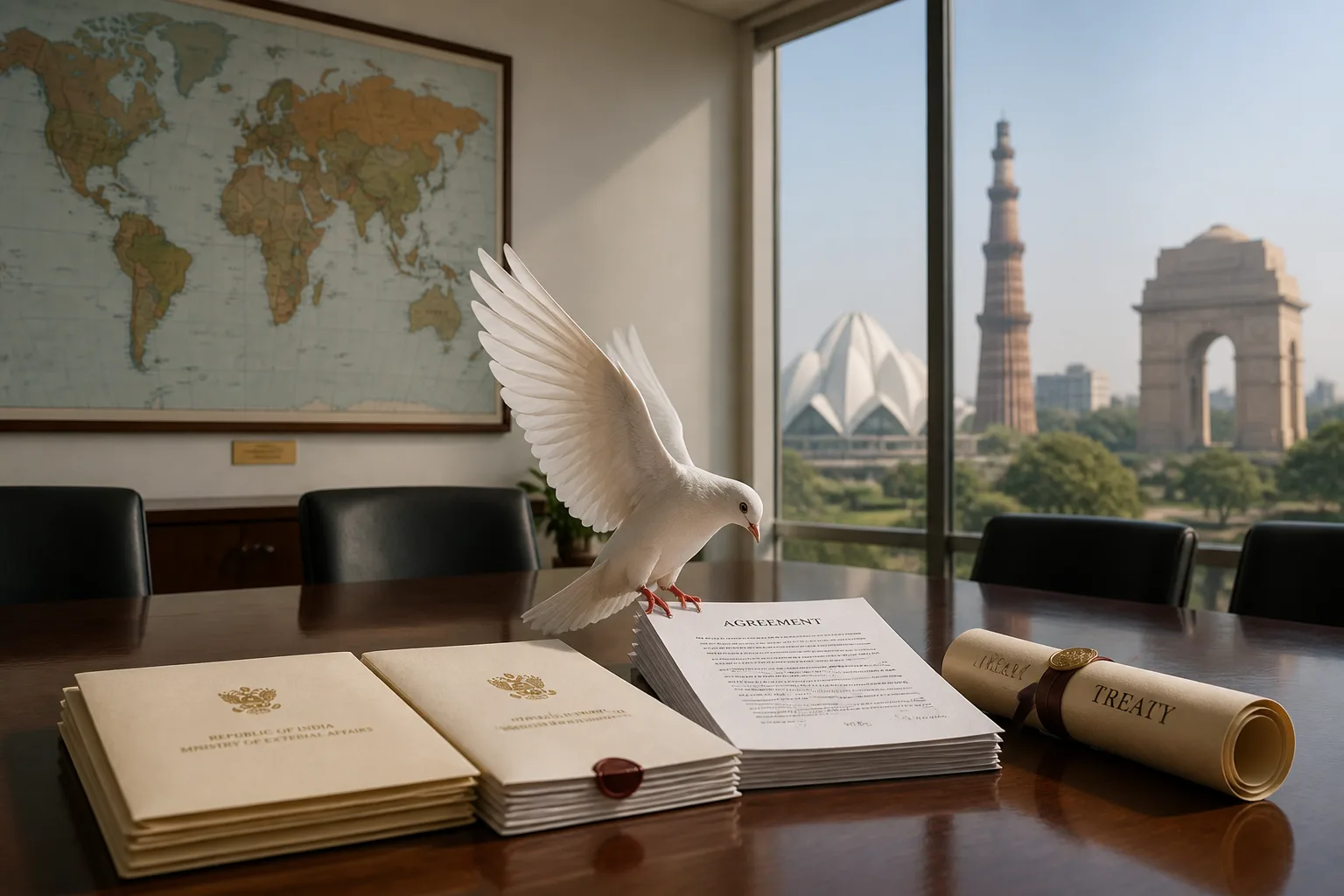
On 14 June 2026, a fragile pause settled over the Persian Gulf as the United States and Iran signed an interim memorandum of understanding (MoU) that ended hostilities and lifted the naval blockade that had closed the Strait of Hormuz for most of the war.
The agreement, brokered by Pakistan and Qatar, extends the existing ceasefire for 60 days and lays out a framework for future talks on Iran’s nuclear program, missile arsenal, sanctions relief and the release of frozen Iranian assets.
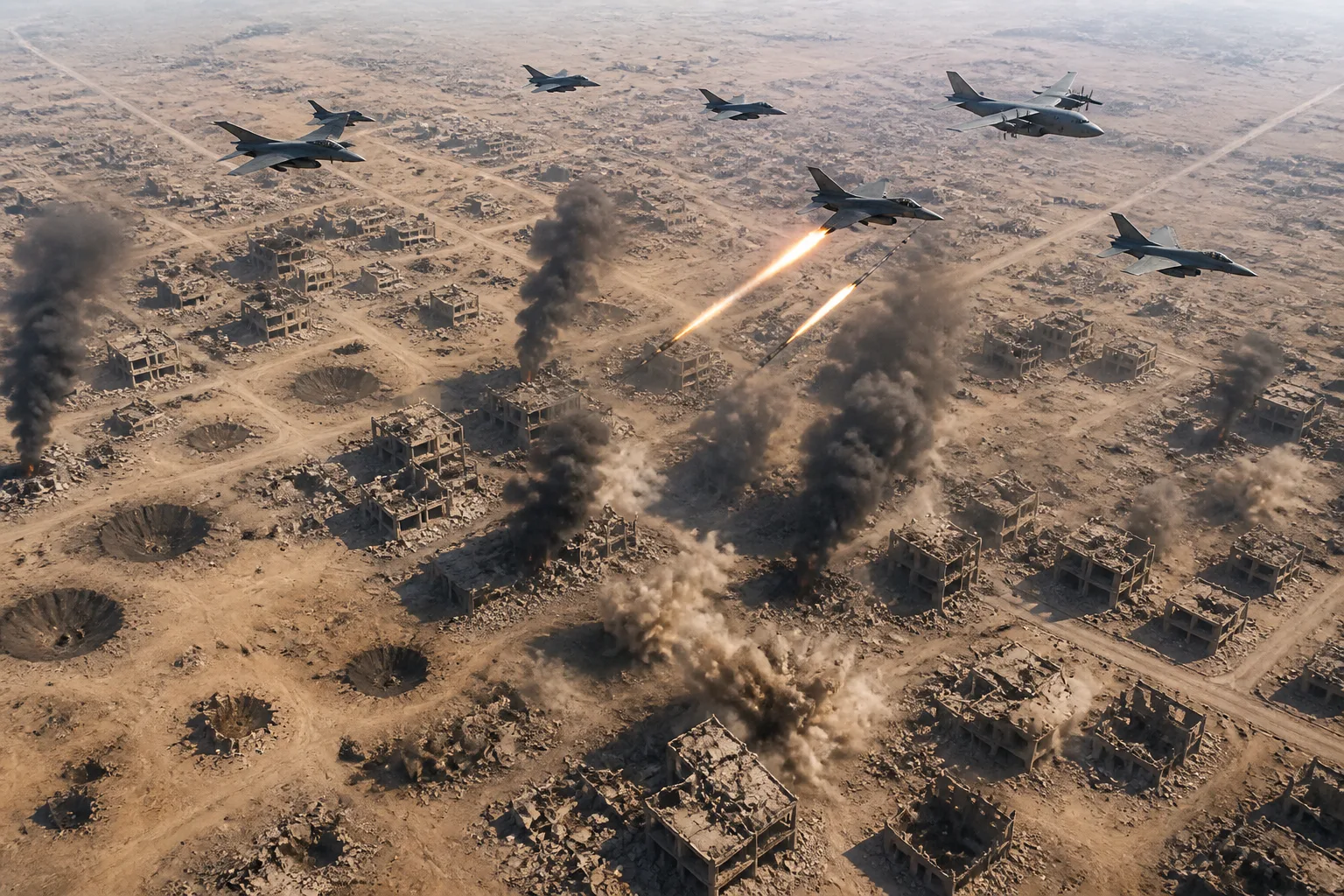
The ceasefire follows a three‑month surge of violence that began in February 2026. On 28 February, Israel and the United States launched a joint strike campaign—codenamed Roaring Lion by Israel and Operation Epic Fury by the U.S. Department of Defense—against Iranian military targets, including the assassination of Supreme Leader Ayatollah Ali Khamenei. Washington and Jerusalem justified the attacks as pre‑emptive measures to prevent a nuclear breakout and to degrade Iran’s ballistic‑missile capabilities.
Iran’s nuclear program, which began in the 1950s and expanded under the Shah, has long been a flashpoint. After the United States withdrew from the 2015 Joint Comprehensive Plan of Action (JCPOA) in 2018, Iran increased enrichment to 60 % and resumed construction of facilities that the International Atomic Energy Agency (IAEA) has monitored. The 2026 war damaged key sites, yet Iran continued to develop its nuclear and missile infrastructure.
Iran’s ballistic‑missile arsenal is among the largest in the Middle East. According to reports, the country possesses thousands of missiles, including short‑ and medium‑range systems capable of striking Israel and parts of Europe. The war saw U.S. and Israeli forces target these systems, while Iran’s Islamic Revolutionary Guard Corps (IRGC) launched attacks against U.S. naval assets in the Gulf.
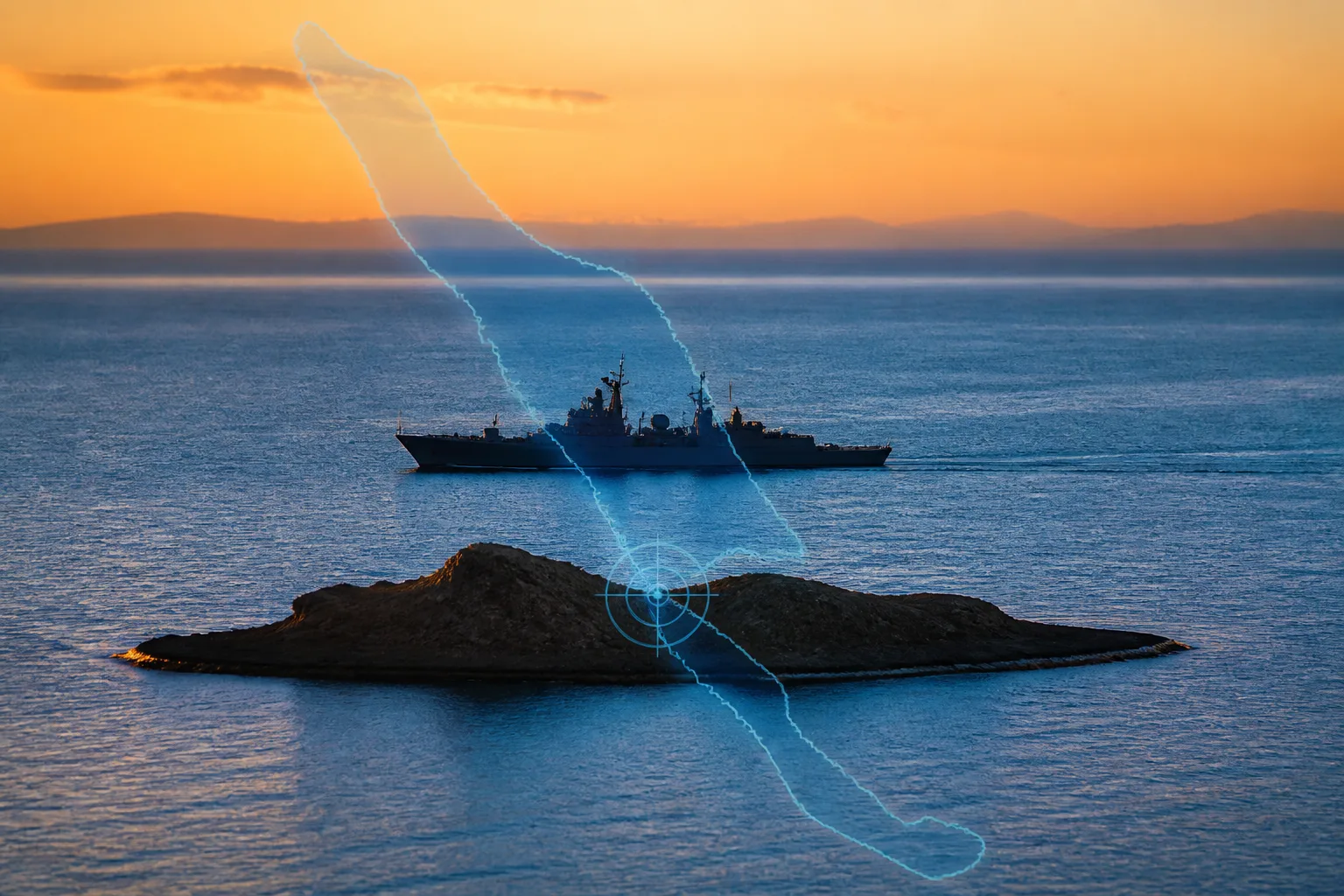
A significant outcome of the MoU is the reopening of the Strait of Hormuz, a critical chokepoint for global oil traffic. The strait had been closed by U.S. forces after Iranian forces fired projectiles at American assets. The agreement requires the strait to be cleared of mines and reopened to commercial shipping, a move that is expected to stabilize regional energy markets.
President Donald Trump and Pakistani Prime Minister Shehbaz Sharif described the agreement as a peace deal. Iranian officials have been cautious in confirming the terms, and analysts in the United States and Israel have expressed doubts that a final settlement will follow the 60‑day window.
The ceasefire also touches on the status of Hezbollah, the Iranian‑backed Lebanese militant group. While the MoU does not directly involve Hezbollah, the broader U.S.–Iran negotiations are expected to influence dynamics in Lebanon, where Hezbollah’s military wing remains a key proxy for Iran.
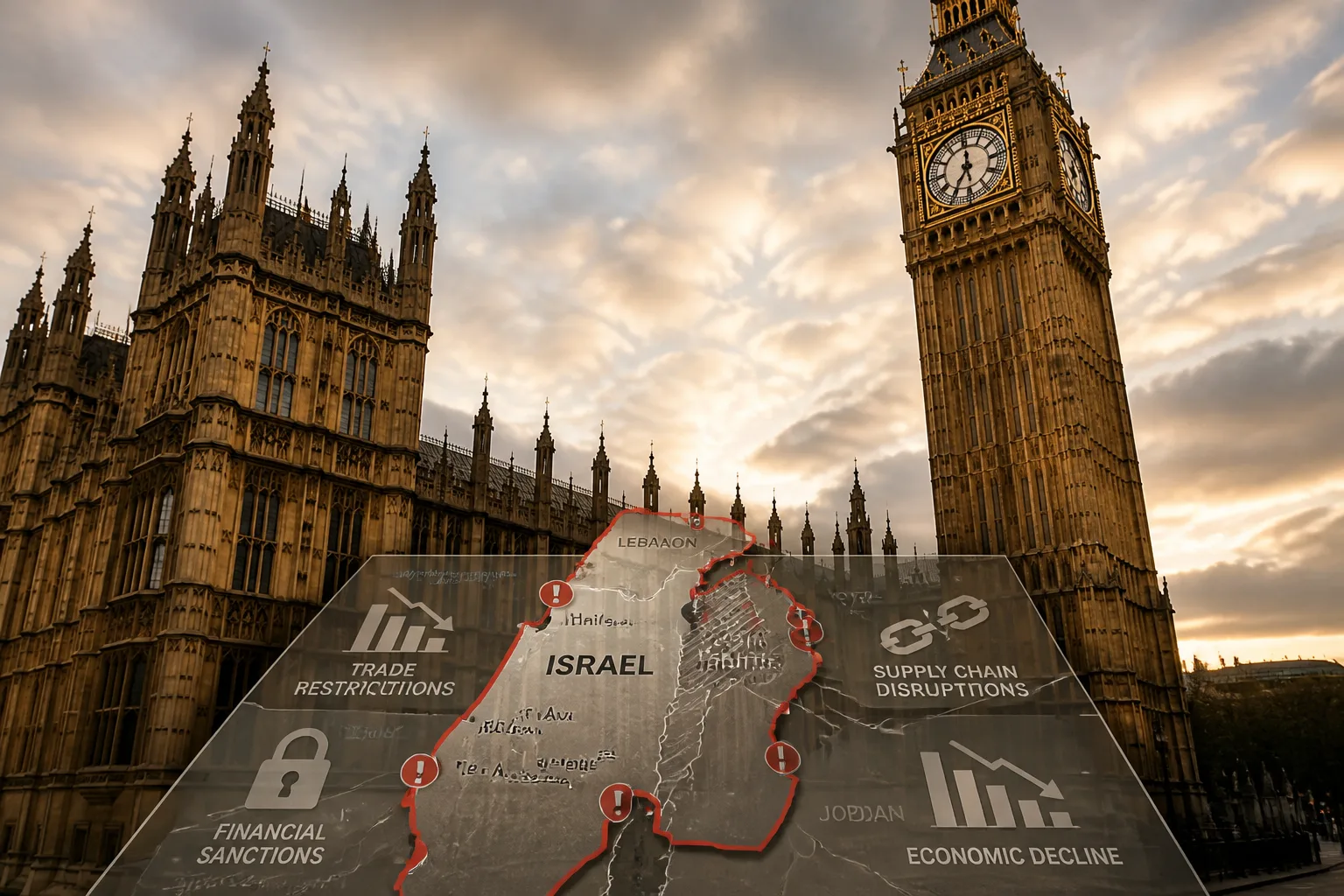
Sanctions relief is a core component of the deal. The United States will lift its naval blockade and reduce restrictions on Iranian oil exports, while Iran will agree to limit its nuclear enrichment and missile development. In return, the U.S. is expected to provide sanctions relief and release frozen Iranian assets, though the exact scope of these measures has not yet been finalized.
The 60‑day extension is intended to create a window for detailed negotiations on the nuclear and missile issues. The U.S. and Iran have agreed to hold further talks in Switzerland, where a formal signing ceremony is expected. The outcome of these discussions will determine whether the interim ceasefire can evolve into a comprehensive peace agreement.
The war has inflicted significant humanitarian and economic damage. U.S. and Israeli strikes have damaged civilian infrastructure, while the blockade of the Strait of Hormuz disrupted global oil supplies. The MoU is therefore seen as a critical step toward reducing regional instability and restoring normalcy to international trade routes.
In summary, the 14 June 2026 MoU marks a temporary halt to the U.S.–Iran conflict, reopens a vital maritime chokepoint, and sets the stage for future negotiations on nuclear and missile disarmament, sanctions relief and the release of frozen assets. The next 60 days will be crucial in determining whether the parties can move beyond an interim ceasefire toward a lasting resolution.