US and Iran Sign 60-Day Ceasefire MoU, Reopen Strait of Hormuz, Set Stage for Nuclear Talks
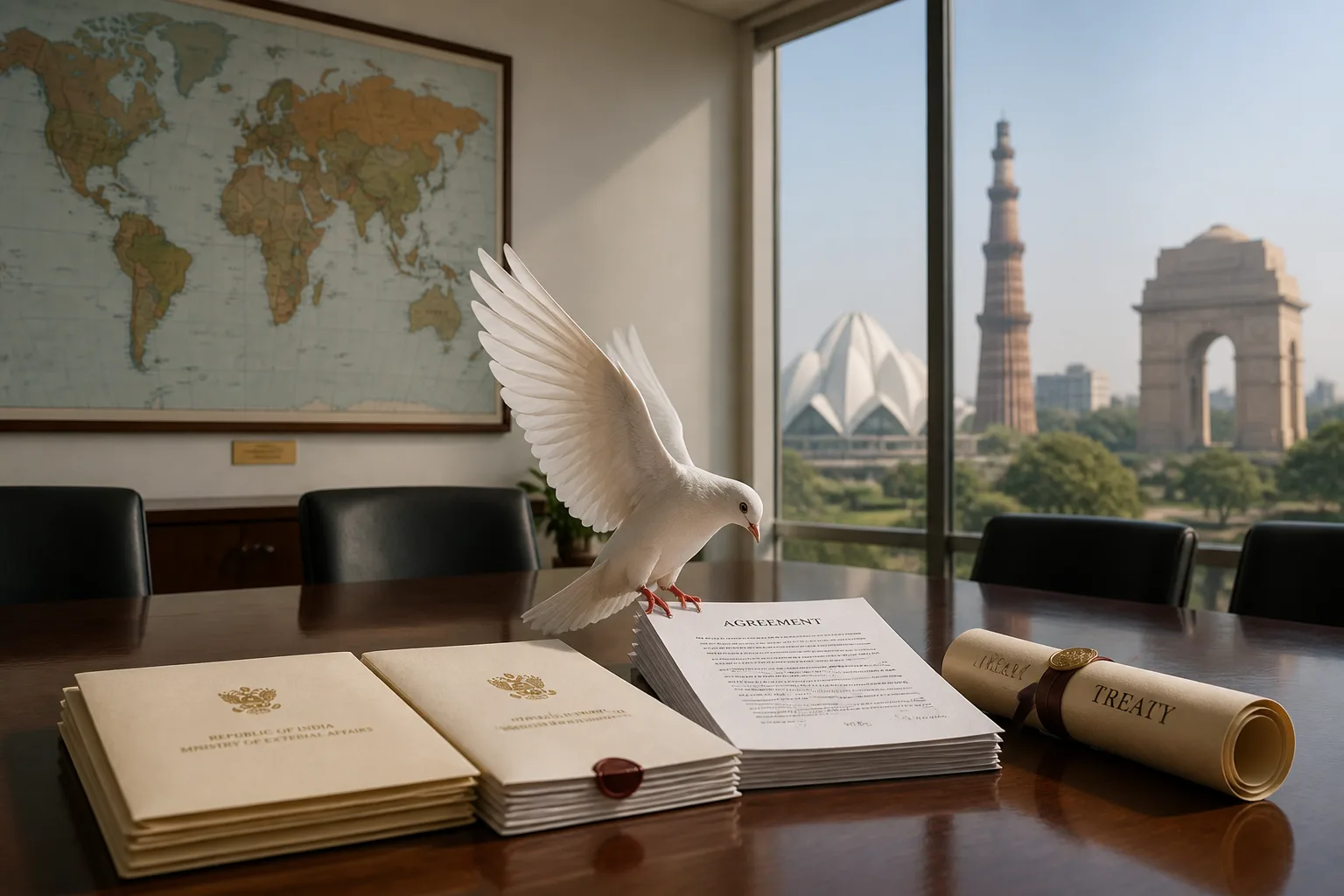
On June 14 2026, a fragile truce was inked in Switzerland when the United States and Iran signed a memorandum of understanding (MoU) that extends the existing ceasefire for 60 days, reopens the Strait of Hormuz, and opens a window for talks on Iran’s nuclear program and sanctions relief.
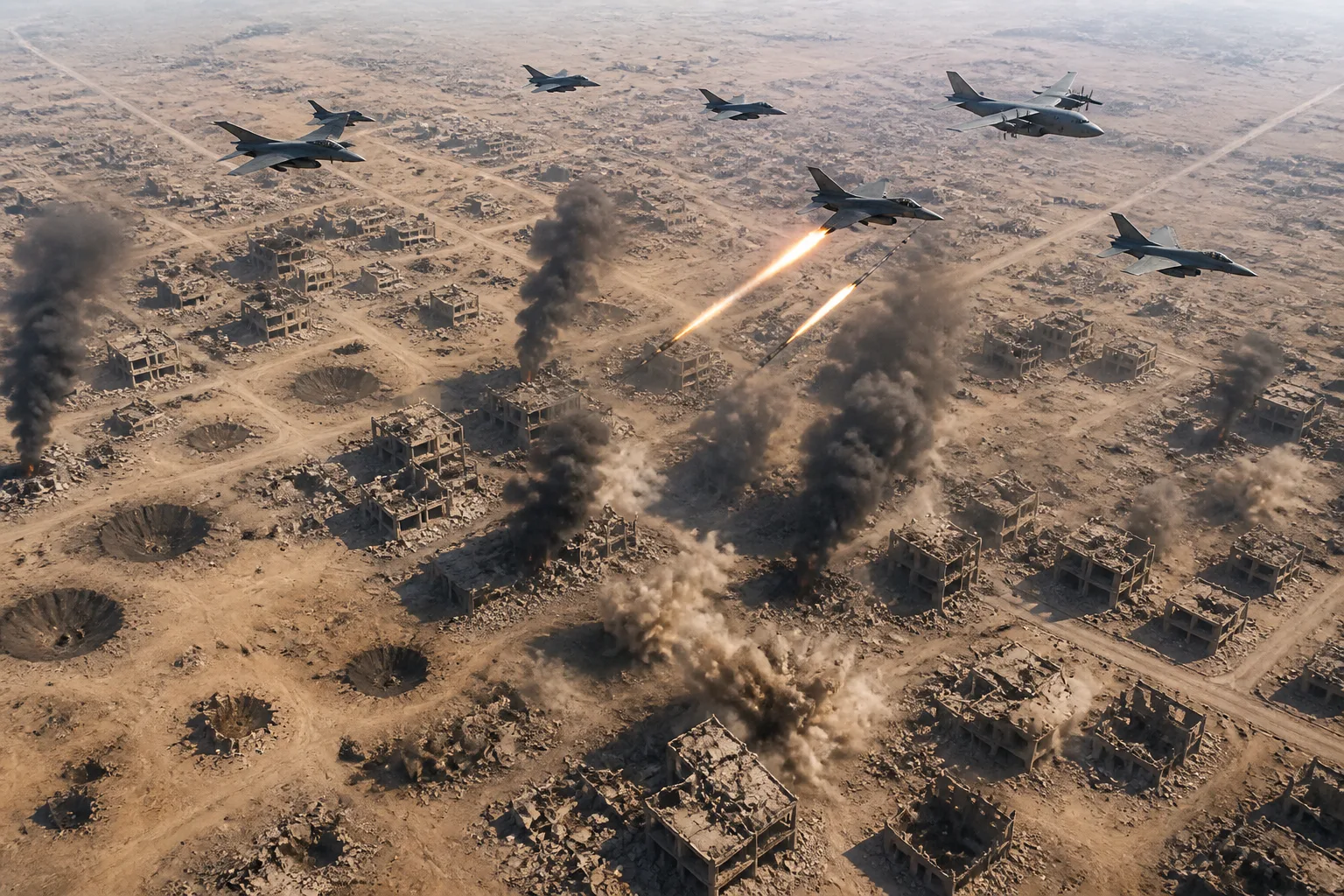
The accord follows a period of hostilities that erupted on February 28 2026, when the United States and Israel launched joint attacks on Iranian military and civilian targets. Dubbed the Third Gulf War by analysts, the conflict has already caused significant casualties and economic disruption across the Persian Gulf region.
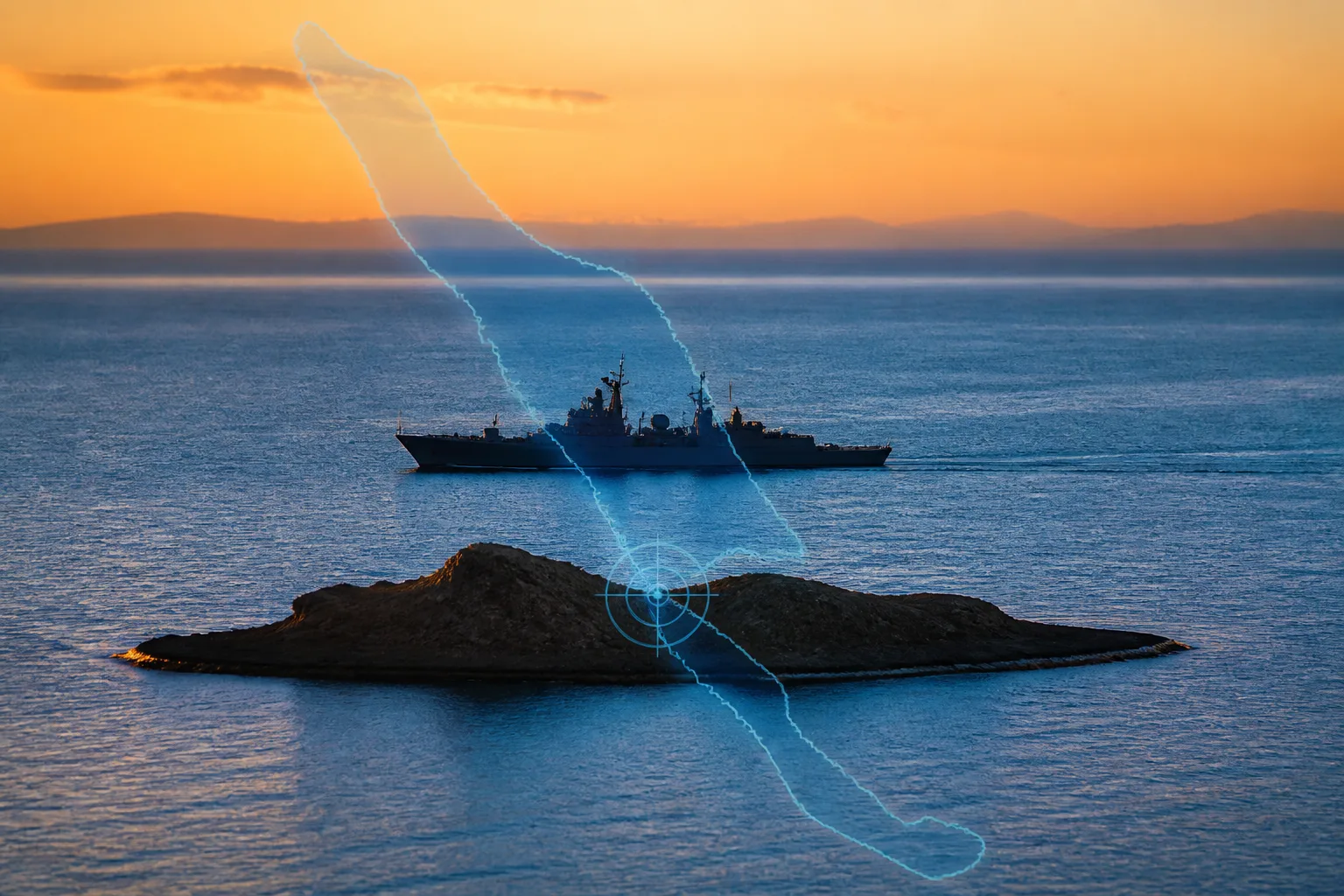
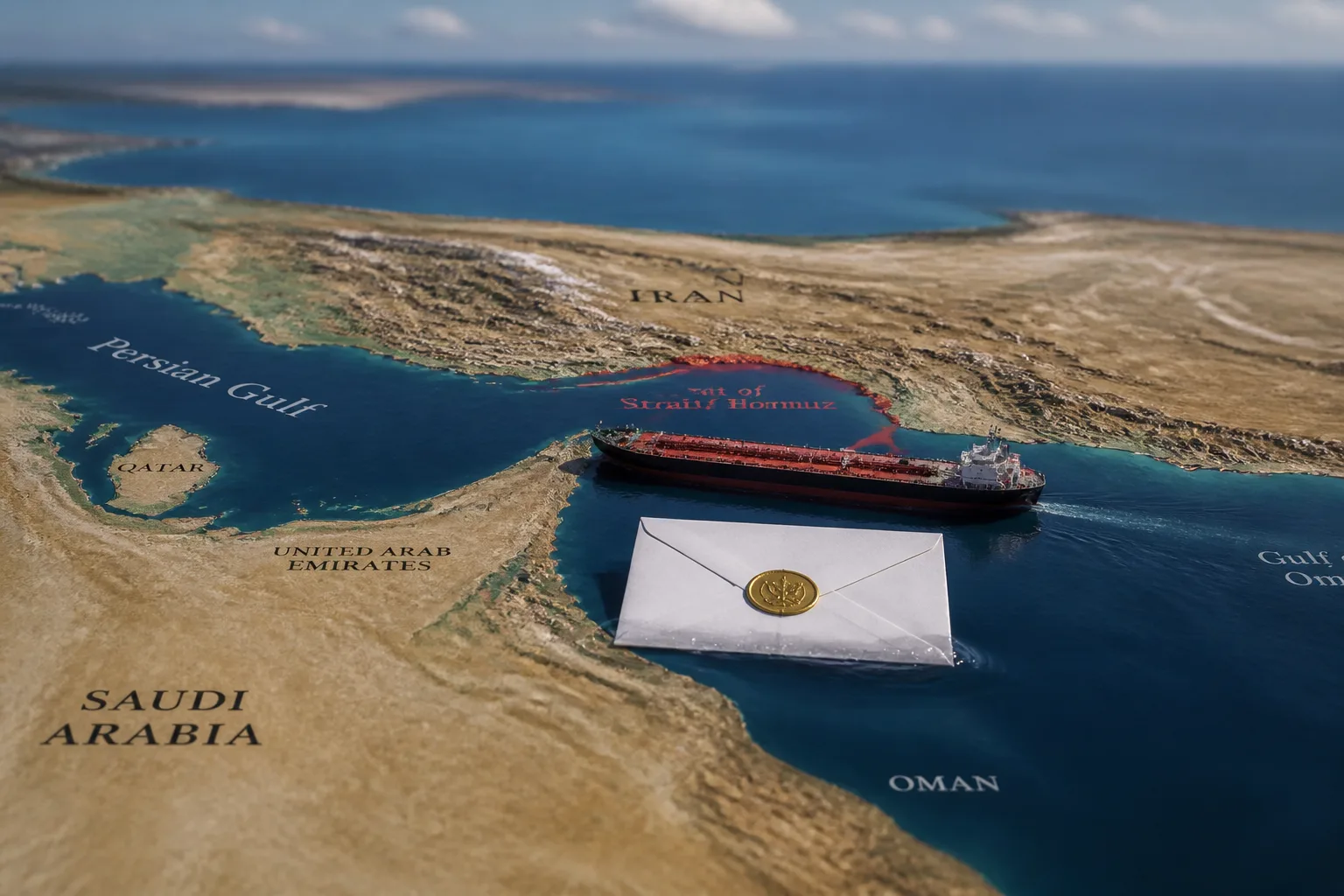
Under the MoU, Washington lifts its naval blockade of Iranian ports, clears mines from the Strait of Hormuz, and allows commercial shipping to resume. The 60‑day framework is intended to provide a structured pause during which both sides can negotiate limits on Iran’s enrichment activities, the disposal of highly enriched uranium, and the restoration of frozen Iranian assets.
A key provision of the agreement is sanctions relief. The waiver, which has already been applied to some Iranian oil shipments since March 20 2026, permits Iran to resume exports to selected countries, including India. The relief is expected to mitigate the economic damage caused by the U.S. blockade and support the domestic economy.
While the MoU does not establish a final nuclear accord, it creates a 60‑day window for further negotiations. Analysts note that the U.S. and Iran have already held two rounds of talks in Geneva, with the second round beginning on February 17 2026.
The deal is viewed by some observers as a victory for Iran’s moderate faction, which has long sought sanctions relief and a return to the international order. The hardline faction, which controls the armed forces and missile stockpile, has reportedly been weakened by the loss of key leaders during the conflict.
Reopening the Strait of Hormuz is significant for global energy markets, as the waterway handles roughly 25 % of seaborne oil trade and about 20 % of the world’s oil exports. European, Japanese, and other international actors welcomed the agreement, noting that it would stabilize shipping lanes and reduce the risk of supply disruptions.
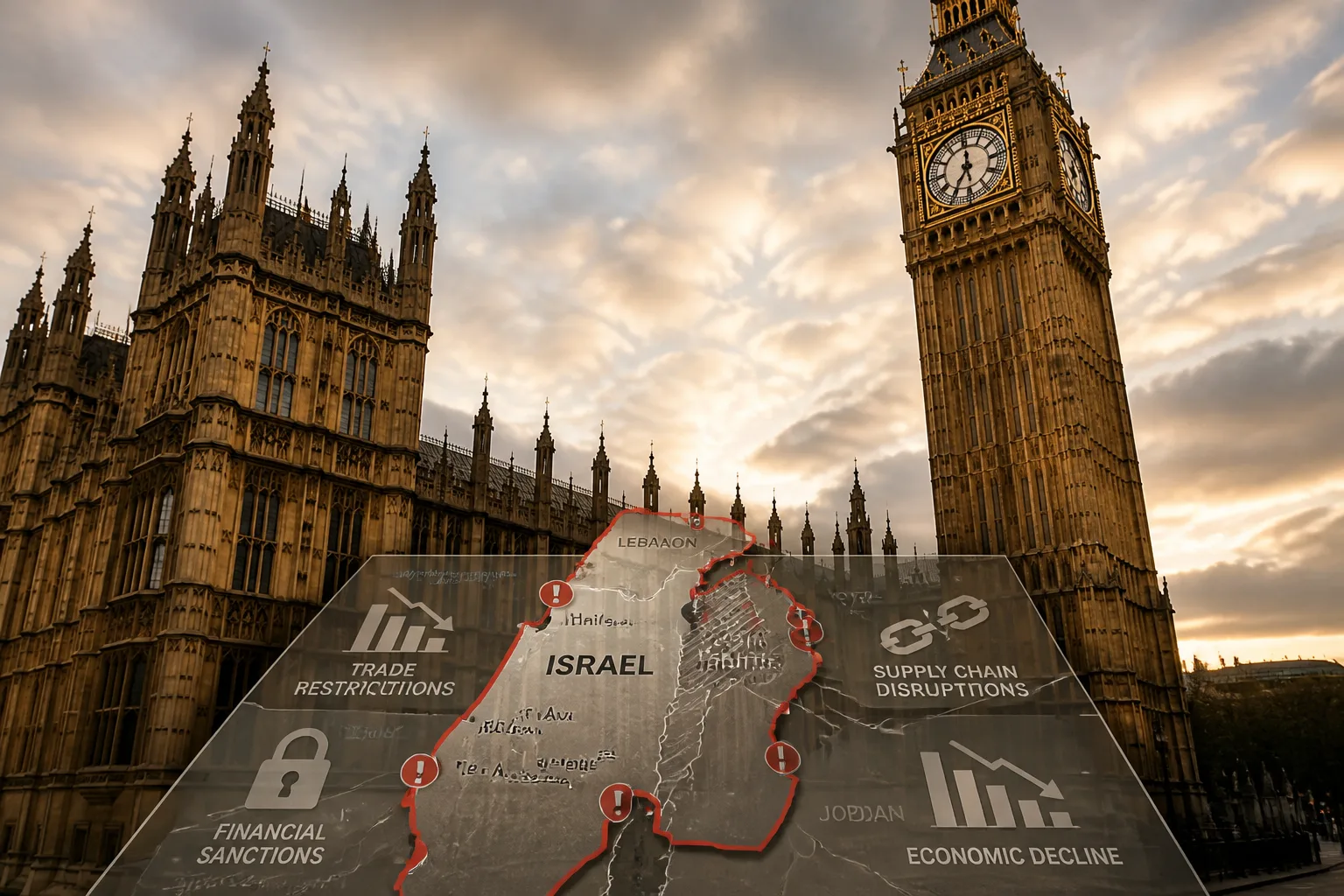
Israel, which had sought to isolate Iran and its Gulf allies, has not achieved its objectives under the current agreement. Washington has indicated that it will not support renewed Israeli hostilities against Iran, a stance that has strained U.S.–Israel relations and raised concerns about Israel’s security strategy.
The formal signing ceremony is expected to take place in Switzerland, with U.S. President Donald Trump and Pakistani Prime Minister Shehbaz Sharif attending. Iranian officials have expressed cautious optimism, but some analysts in the United States and Israel remain uncertain whether a final settlement will follow the 60‑day ceasefire.
The MoU marks a temporary pause in the Third Gulf War and opens a limited window for diplomatic engagement. Its success will depend on both sides’ willingness to adhere to the agreed terms and to pursue further negotiations on nuclear safeguards and economic normalization.
The agreement also references a reported $300 billion reconstruction fund for Iran, though the final amount is expected to be lower. If funded, the money could be used to rebuild infrastructure damaged during the conflict and to support the Iranian energy sector, potentially giving Gulf and Western investors a stake in future oil production.
Pakistan and Qatar served as the primary mediators for the ceasefire talks, with Islamabad hosting the initial negotiations and Doha providing diplomatic support. The involvement of these Gulf and South Asian states underscores the regional desire to prevent further escalation and to stabilize trade routes.
Oil market analysts warn that the reopening of the Strait of Hormuz could influence global crude prices. The strait’s critical role means that any disruption has previously caused price spikes, but the current agreement is expected to reduce volatility and support a gradual return to pre‑war pricing levels.