US-Iran Agreement to End Middle East Conflict Sparks Oil Price Drop
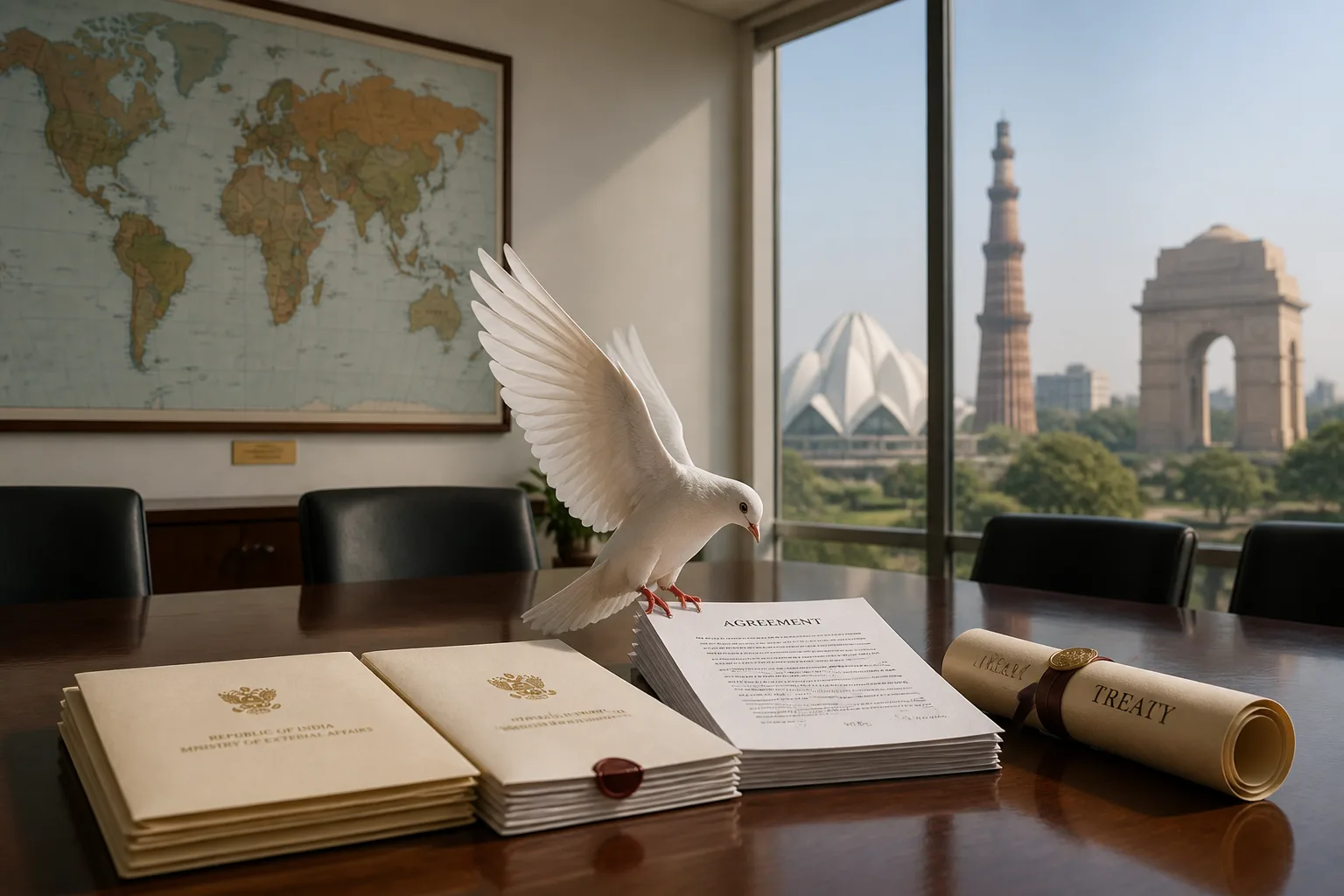
On 15 June 2026, a quiet triumph echoed across the Gulf as the United States and Iran announced a ceasefire that could reshape oil markets and Middle East politics. The two powers signed a memorandum of understanding that extends the existing ceasefire for 60 days and lays the groundwork for a final settlement, including the reopening of the Strait of Hormuz.
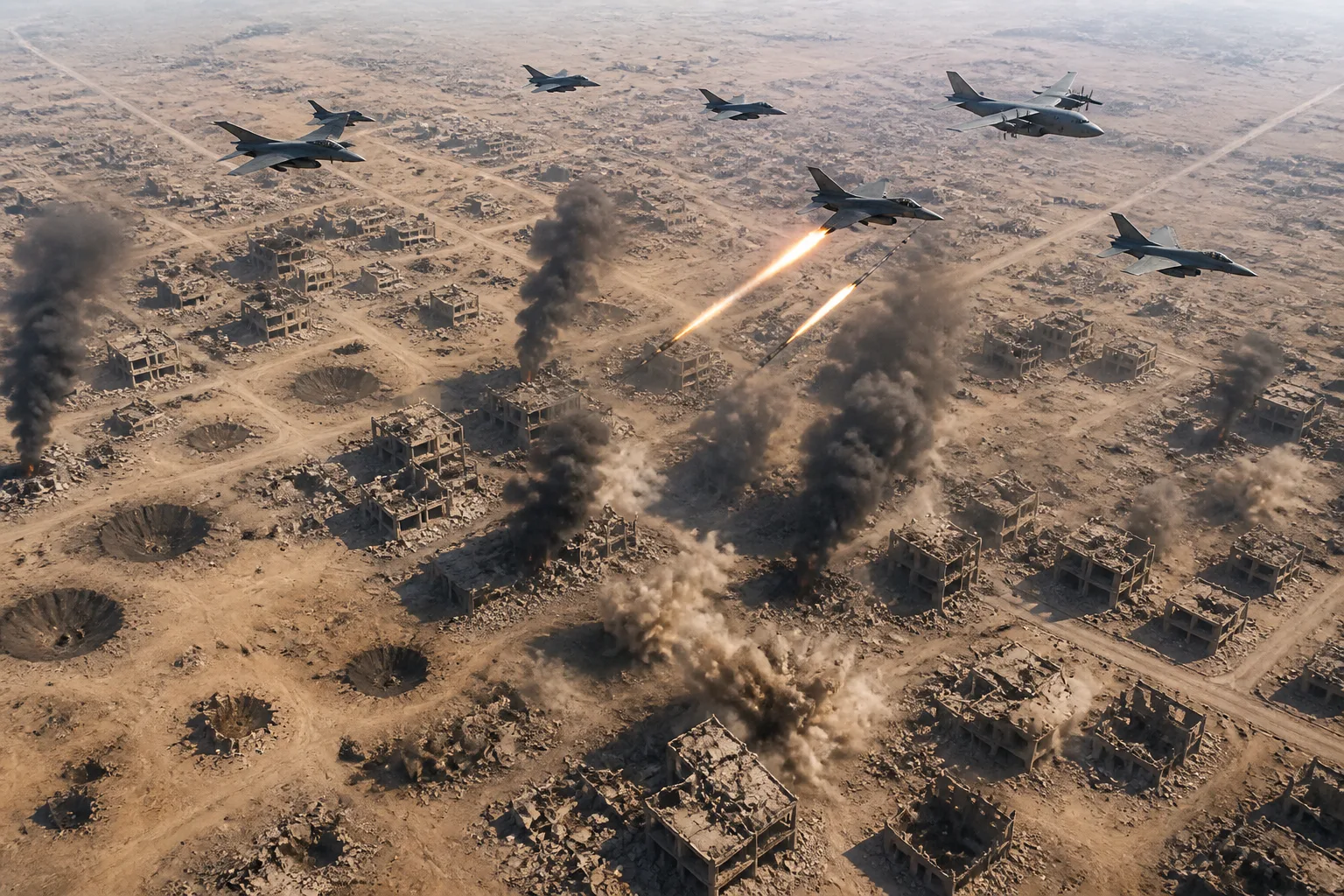
The announcement arrived amid a broader diplomatic effort to end a war that erupted on 28 February when U.S. and Israeli forces struck Iranian targets in a joint operation codenamed “Operation Epic Fury” by the Department of Defense and “Roaring Lion” by Israel. The strike was followed by Iranian missile attacks on Israeli and U.S. installations and by assaults on Arab states, notably Lebanon, where Israeli air strikes have continued.
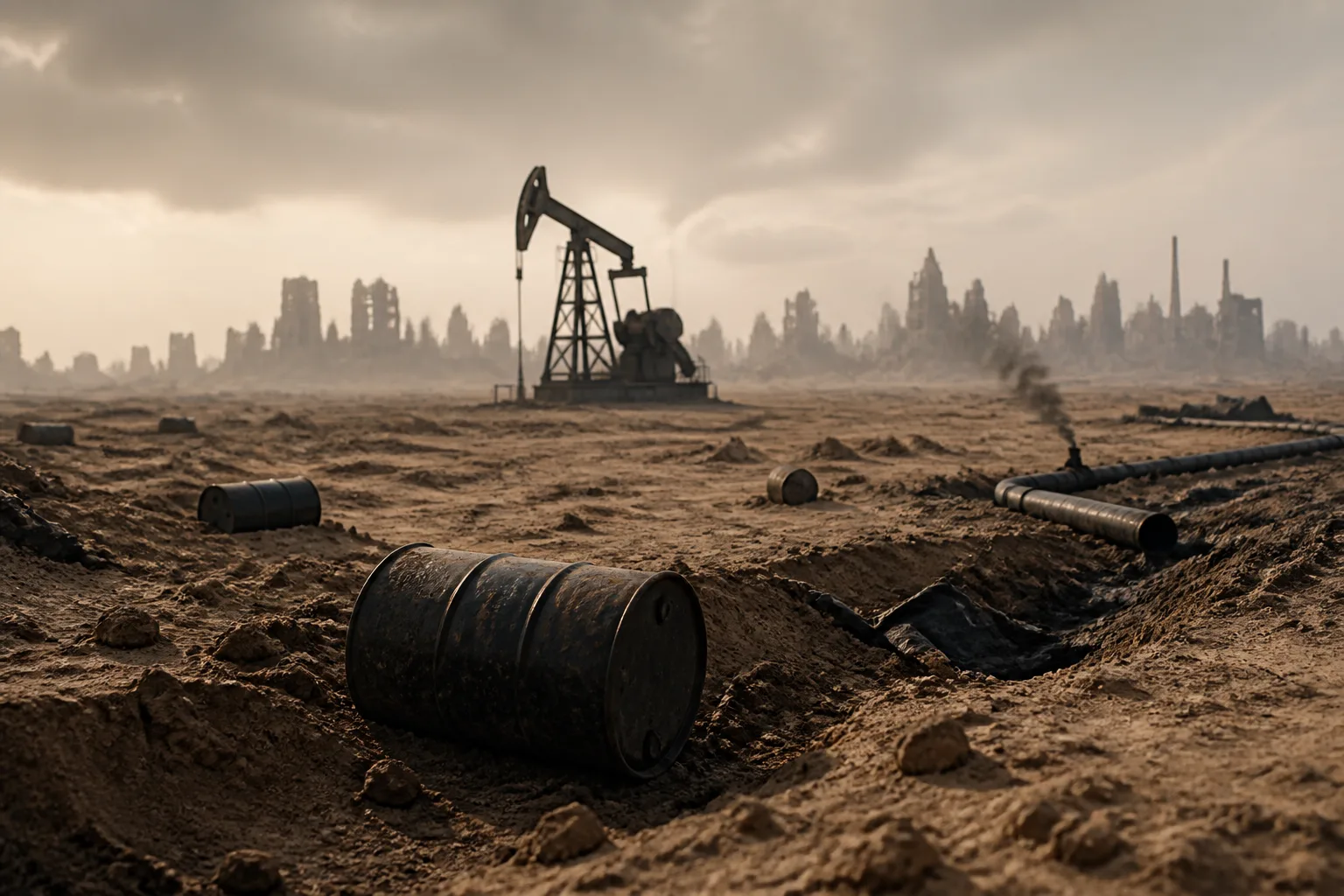
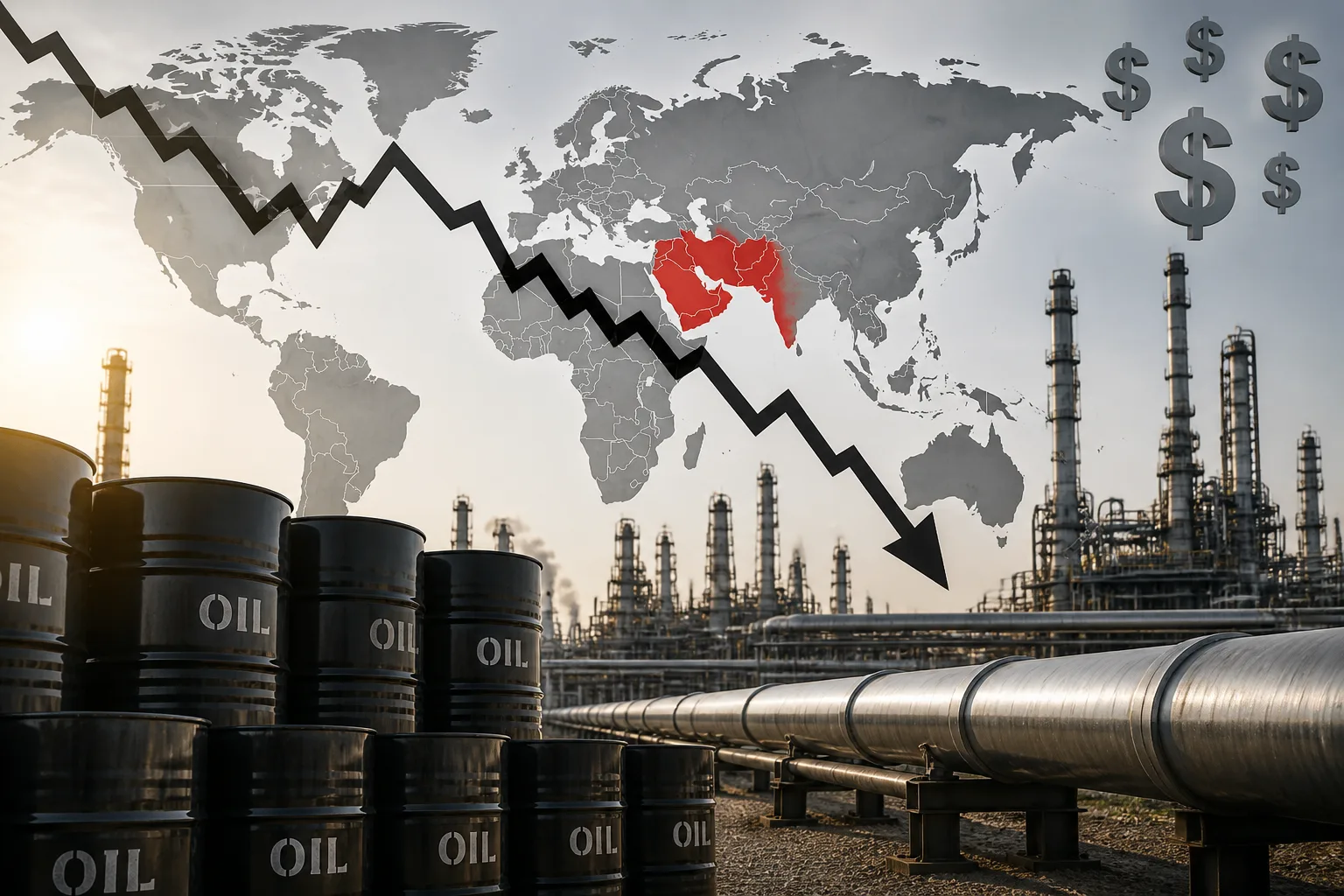
Brent crude futures fell 4.7 %, trading at $82.50 a barrel on the London Stock Exchange, while West Texas Intermediate dropped 4.93 % to $79.96 on the New York market. The decline marked the steepest drop in Brent prices in weeks and reflected renewed confidence that the Strait—through which roughly 20 % of global oil and gas flows pass—would soon be cleared of mines and open to commercial traffic.
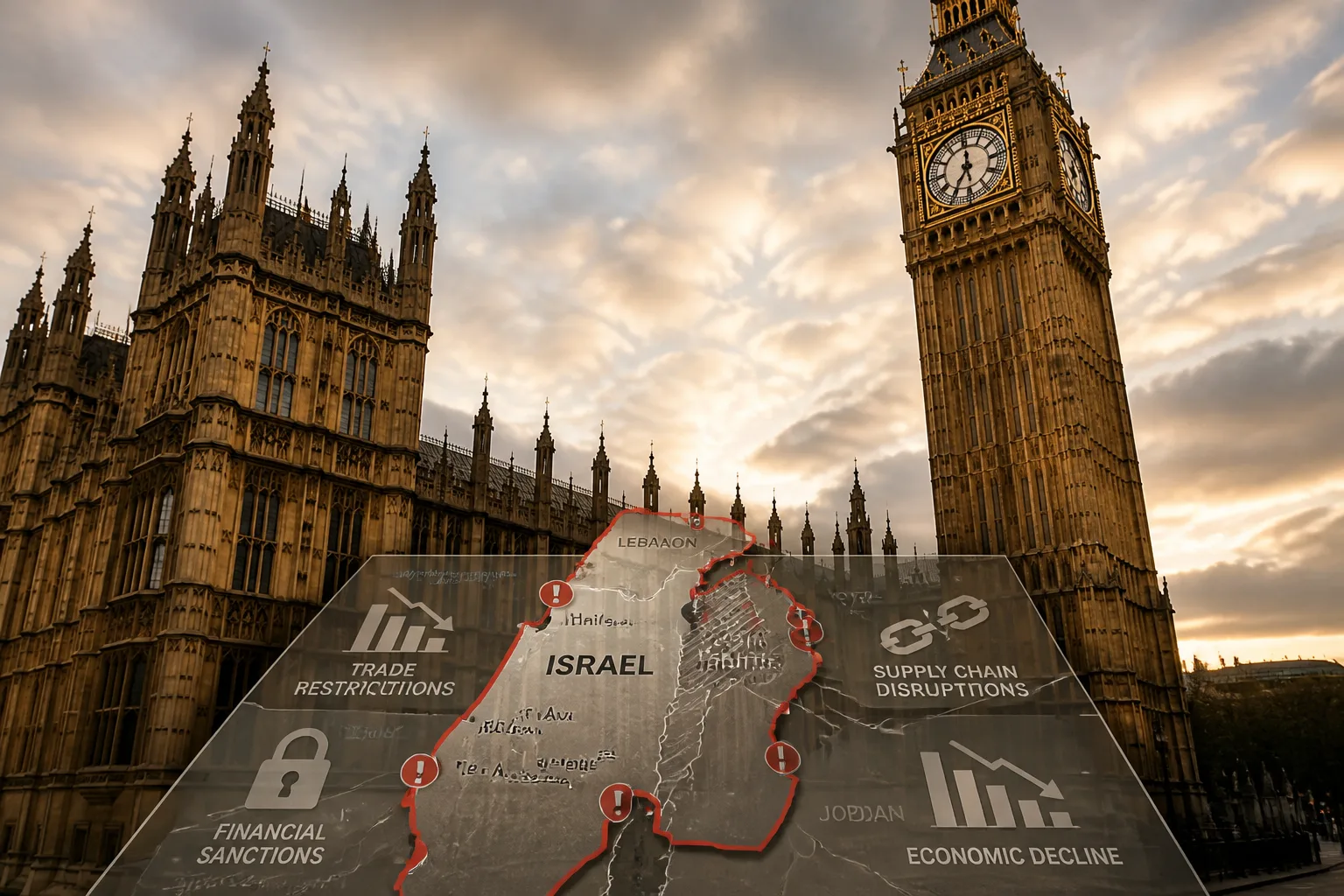
President Donald Trump posted on social media that the deal was complete, stating: “The deal with the Islamic Republic of Iran is now complete.” He also noted that oil tankers had already begun moving out of the Strait. Although the U.S. lifted its naval blockade, negotiations remain in motion, particularly over Israel’s continued presence in Lebanon. Israel, an ally of the United States, has refused to withdraw, a condition Tehran cites as necessary for the full reopening of the Strait.
Financial markets reacted positively. Major stock indices opened higher on Monday as investors took profit‑taking positions after the oil price decline. The U.S. dollar index eased, reflecting reduced demand for oil‑heavy commodities.
Reactions from other Arab states were largely supportive. According to AFP reports, Iraq, Lebanon, Saudi Arabia and Egypt welcomed the announcement, although the agreement had not yet been formally signed. The parties expect a signing ceremony in Switzerland on Friday 19 June. The memorandum is not a final peace treaty; it is a framework that allows further negotiations on nuclear disarmament, sanctions relief and the release of frozen Iranian assets.
The conflict’s escalation had a profound impact on global energy markets. The temporary closure of the Strait of Hormuz disrupted supply chains and pushed oil prices to a four‑month high before the recent decline. The Strait’s strategic importance lies in its role as the sole maritime route from the Persian Gulf to the open ocean; any disruption can lead to shortages for Europe and Asia.
The United Nations and several international observers have called for a swift resolution. The United States has stated that reopening the Strait is a priority for global economic stability, while Iran has emphasized the need for a comprehensive settlement that addresses its security concerns.
The agreement marks a significant shift in the region’s security dynamics. It signals a potential end to the current phase of the U.S.–Israel–Iran conflict and opens the possibility for a broader diplomatic settlement. However, Israeli operations in Lebanon and the lack of a formal treaty mean that the situation remains fragile.
In the coming days, the parties will likely focus on the technical aspects of clearing mines from the Strait, negotiating the terms of the 60‑day ceasefire extension, and setting a timetable for a final peace agreement. The international community will monitor the developments closely, as the outcome will have lasting implications for regional stability and global energy markets.
The current status is that the United States and Iran have agreed to a temporary ceasefire framework, with a formal signing expected in Switzerland on 19 June. The war’s future trajectory will depend on the resolution of remaining disputes, particularly Israel’s withdrawal from Lebanon and the full reopening of the Strait of Hormuz.