US-Iran Agreement to Lift Strait of Hormuz Blockade; Mine-Clearing Operations Continue
On 15 June 2026, Washington and Tehran announced that a 60‑day ceasefire, brokered by Pakistan, will be formalised in Geneva on 19 June. The pact removes the U.S. maritime blockade that had sealed the Strait of Hormuz for most of the conflict that began on 28 February 2026. Under the terms, U.S. naval forces will halt all operations in the Persian Gulf, and the strait will be cleared of mines before shipping can resume.
The ceasefire framework, signed on 14 June, is a provisional extension of the truce that was first agreed in Islamabad on 11‑12 April. It does not constitute a final peace treaty but sets the stage for further talks on nuclear limits, the disposal of highly enriched uranium, sanctions relief, and the release of frozen Iranian assets. The agreement also calls for a permanent halt to military operations on all fronts, including Lebanon, and gives Iran’s Deputy Foreign Minister Kazem Gharibabadi a window to discuss its nuclear programme while the U.S. lifts its blockade from 15 June.
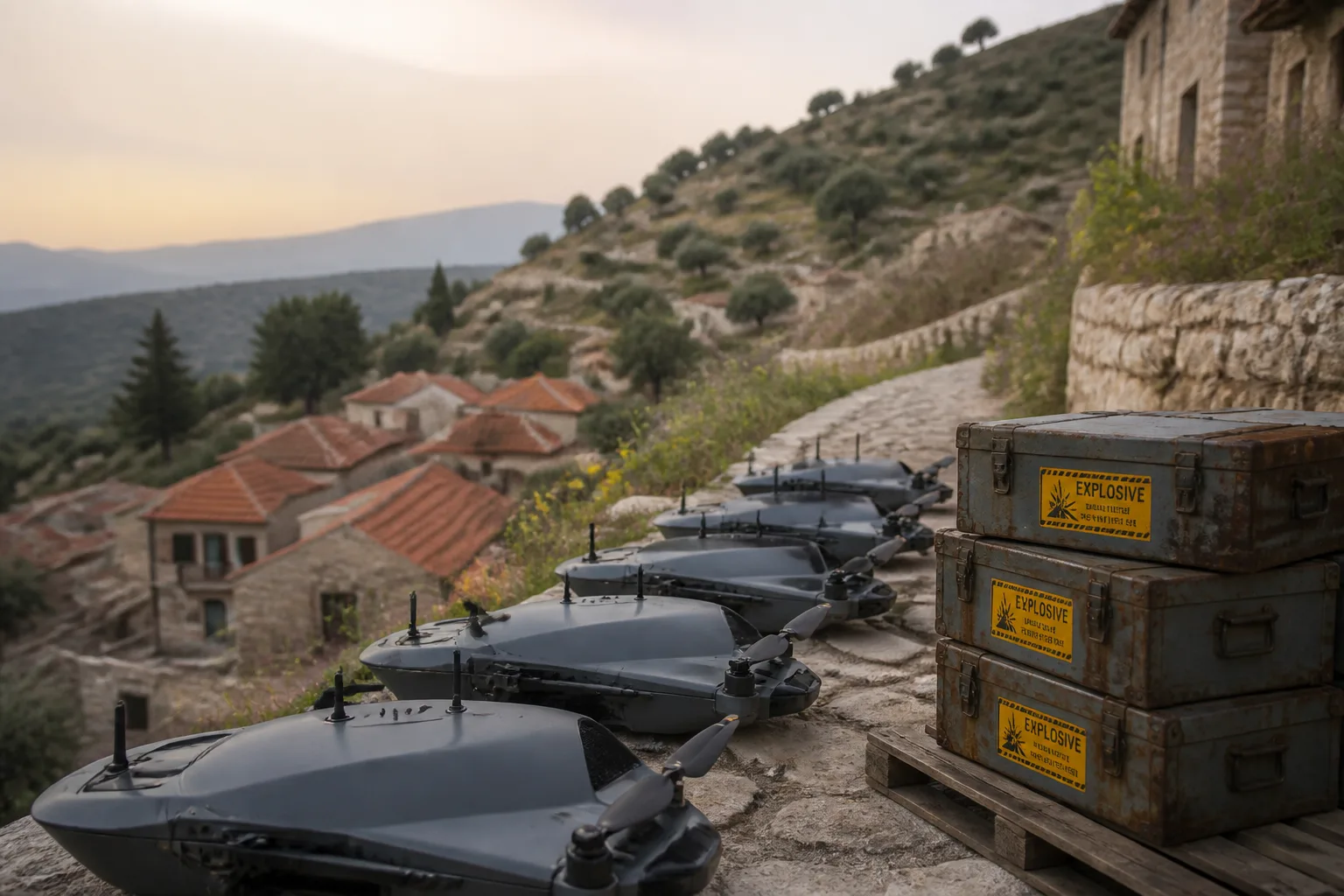
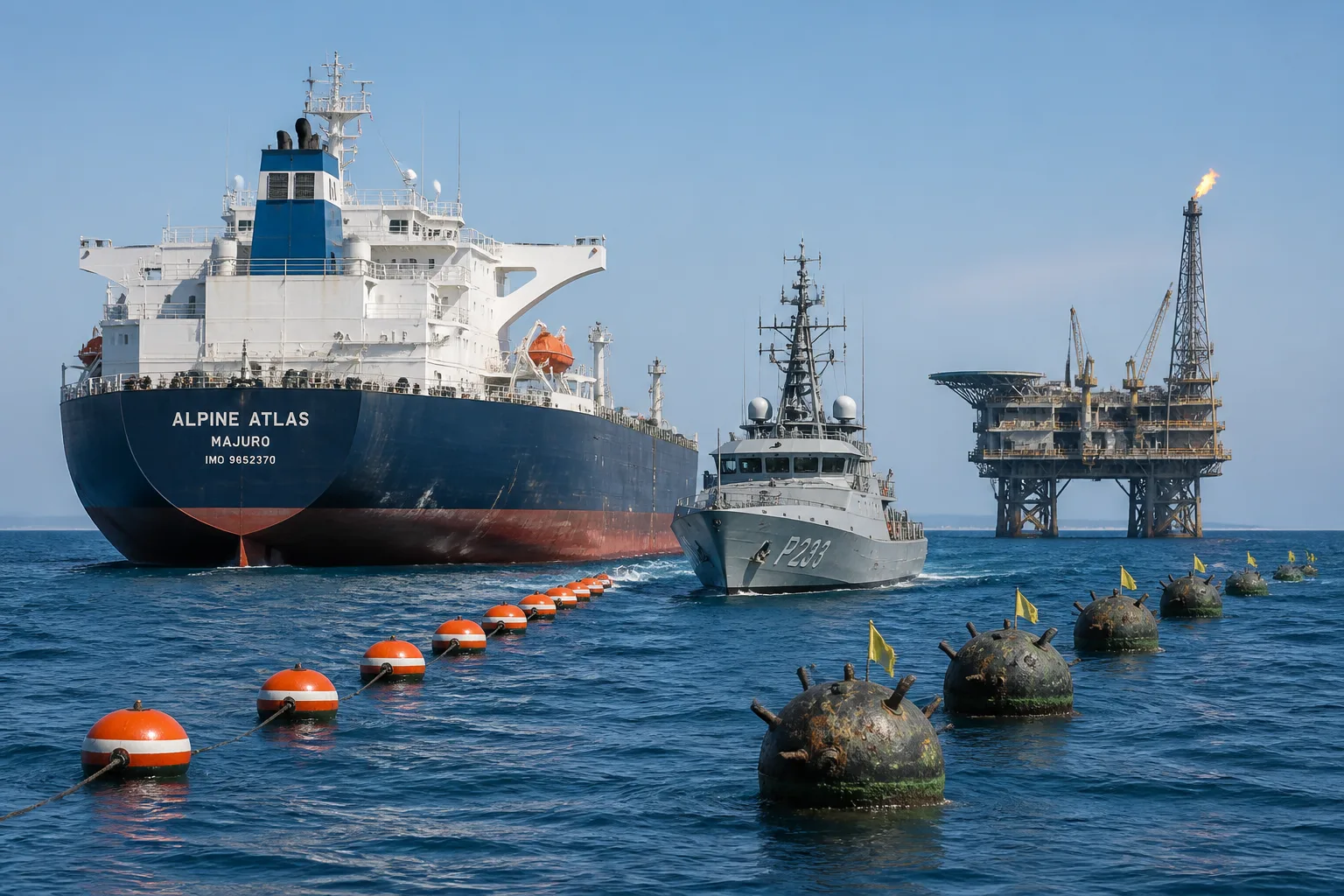
Mine‑clearing operations began on 11 April under U.S. Central Command and are expected to last 40‑50 days. Reuters reports that Western maritime security firms estimate the effort will involve conventional minesweepers and advanced underwater drones. The operation will delay the movement of tens of millions of barrels of oil, as the Strait is the sole maritime route for 25 % of seaborne oil and 20 % of liquefied natural gas that passes through the Gulf.
The International Maritime Organization (IMO) has signalled its readiness to evacuate sailors stranded in the Persian Gulf. IMO Secretary‑General Arsenio Domínguez noted that implementing the evacuation plan will take time to secure all necessary guarantees. Meanwhile, Japanese shippers have welcomed the agreement but await details on the clearance schedule before allowing their vessels to enter the Strait, as the delay in clearing mines could postpone the resumption of oil flows and affect global oil prices.
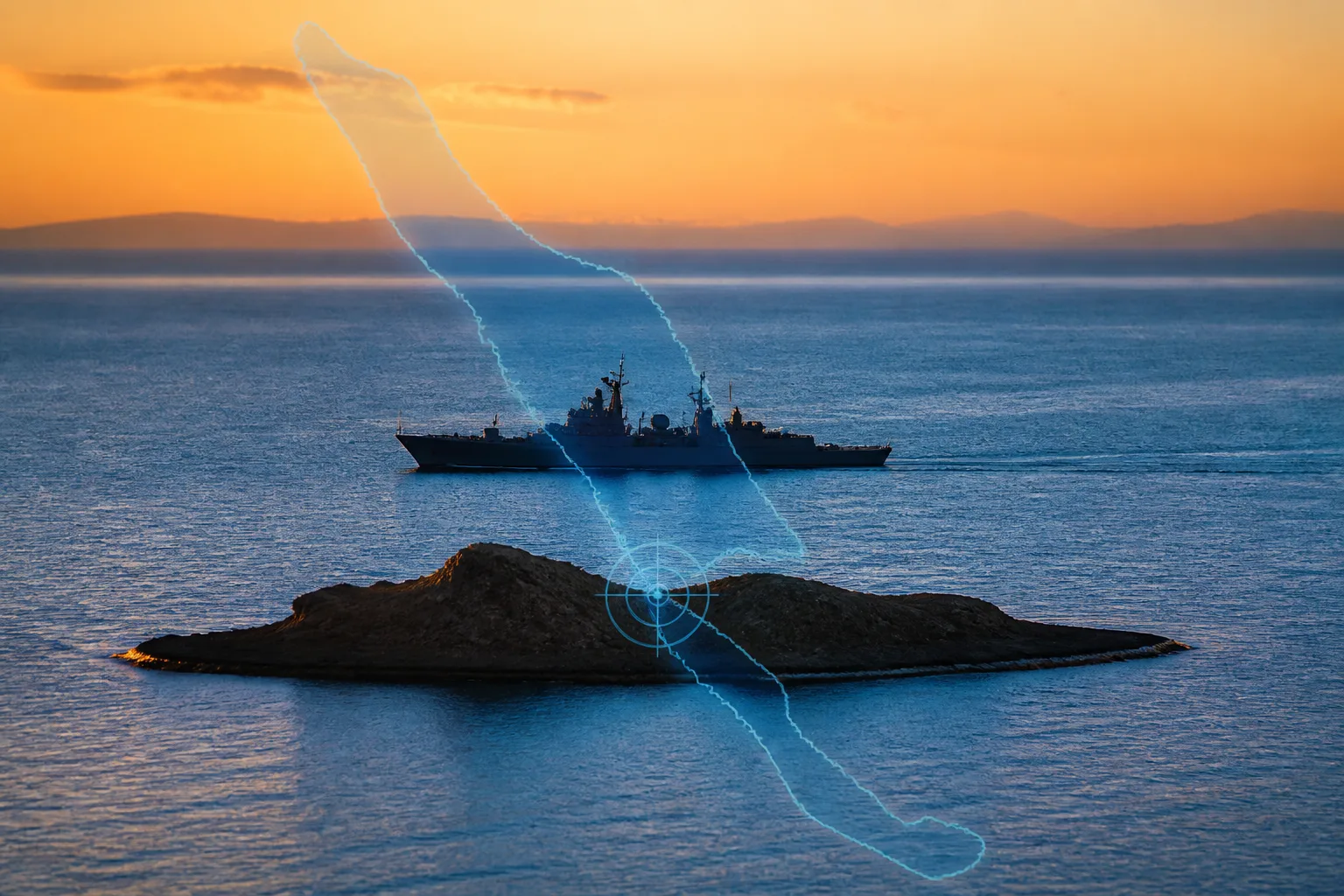
The Strait of Hormuz, 104 mi long and 60‑24 mi wide, lies between Iran’s northern coast and the Musandam Peninsula of Oman and the UAE. It is the only sea route from the Persian Gulf to the open ocean, making any disruption a potential trigger for severe supply shortages for Gulf states and a shock to global energy markets.
The U.S. and Iran’s rare moment of cooperation follows a series of diplomatic steps. After the U.S. and Israel launched a joint attack on Iranian sites on 28 February 2026, a war erupted that saw the U.S. blockade of Iranian ports. Pakistan, long a protecting power for Iran in Washington, stepped in as mediator. In Islamabad on 11‑12 April, the U.S. and Iranian negotiating teams, led by Vice President JD Vance and parliamentary speaker Mohammad Bagher Ghalibaf respectively, reached a 10‑point ceasefire framework but could not agree on the Strait of Hormuz or the nuclear issue.
The 60‑day text, signed on 14 June, is a provisional extension of the ceasefire. It is not a final peace treaty but a framework for further talks on nuclear limits, the disposal of highly enriched uranium, sanctions relief, and the release of frozen Iranian assets.
The mine‑clearing operation has already deployed underwater drones and explosive‑laden robots to detect and neutralise naval mines. Shipping companies and insurers are awaiting confirmation that the waters are safe before resuming transit.
The agreement marks a rare moment of cooperation between the U.S. and Iran. While the U.S. has maintained sanctions and a naval blockade since the war’s onset, the ceasefire allows for the first time in months that Iranian ports can be accessed by international shipping. The next steps will see the completion of the mine‑clearing effort, the implementation of the IMO evacuation plan, and the continuation of negotiations on the broader issues that gave rise to the conflict.