US-Iran Memorandum Ends Hostilities, Reopens Strait of Hormuz
On 14 June 2026, the United States and Iran signed a memorandum of understanding that brought an end to months of fighting and opened the Strait of Hormuz to commercial shipping. Negotiated with the help of Pakistan and Qatar, the deal establishes a 60‑day ceasefire and lays out a framework for further talks on sanctions, nuclear policy and reconstruction.
The ceasefire follows a conflict that erupted on 28 February 2026 when the United States and Israel launched coordinated attacks on Iranian military and nuclear sites. The hostilities, which involved the assassination of key Iranian officials and the destruction of infrastructure, pulled the region into a broader confrontation. By mid‑June, the two sides had agreed to halt hostilities, a development confirmed by Reuters and corroborated by statements from U.S. President Donald Trump and Pakistani Prime Minister Shehbaz Sharif.
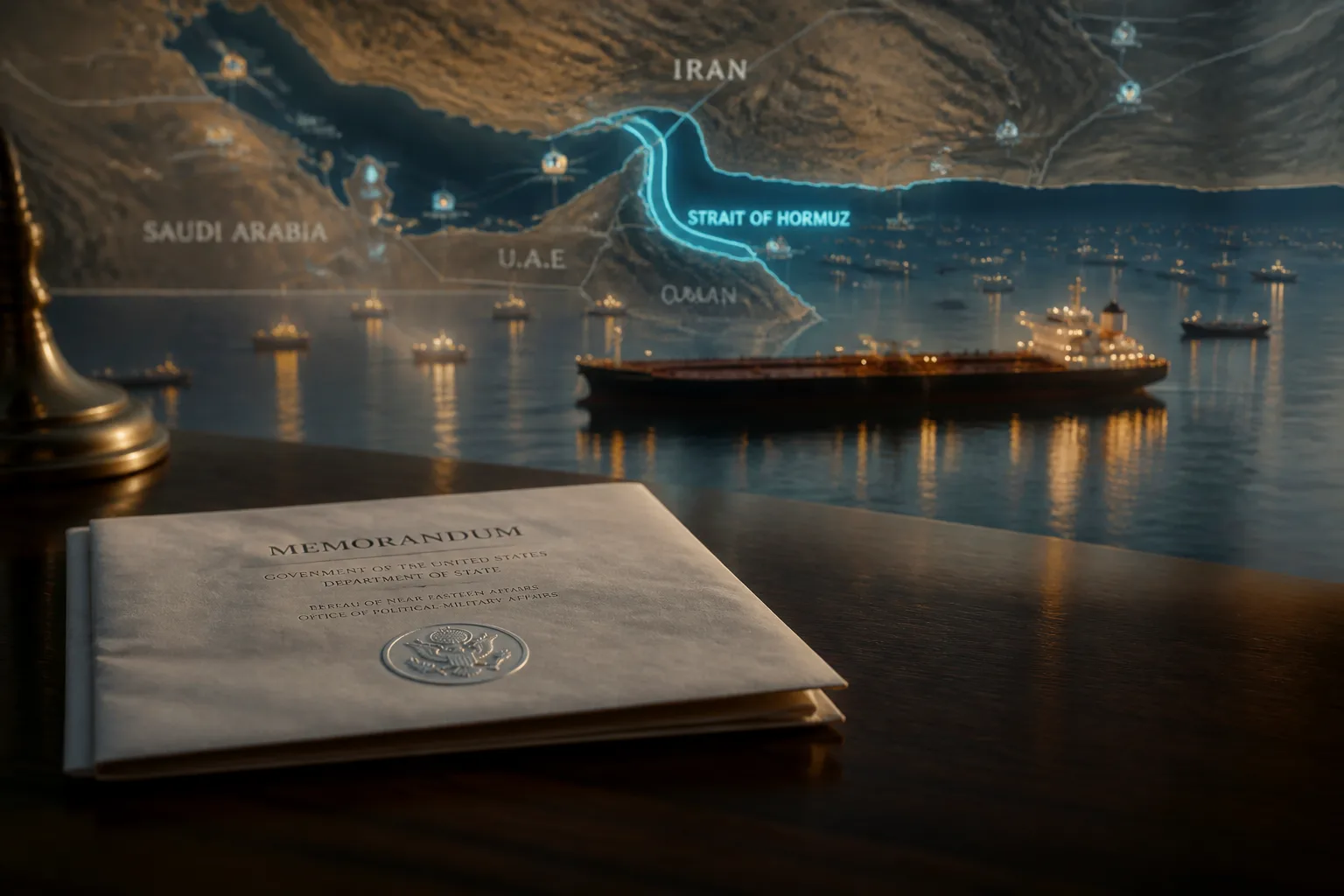
Under the terms reported by Reuters, the United States lifted the naval blockade that had closed the Strait of Hormuz for much of the war. The waterway— the sole maritime route between the Persian Gulf and the open ocean—was cleared of mines and reopened to shipping within days of the announcement. The U.S. also agreed to withdraw its naval forces from Iranian ports, a move that had been a major point of contention.
The memorandum is described as a 60‑day extension of the existing ceasefire, rather than a final peace treaty. During that period, both sides are expected to negotiate limits on Iran’s nuclear enrichment, the disposal of highly enriched uranium, and the release of frozen Iranian assets. The agreement also calls for the United States to provide sanctions relief, although the exact scope of that relief has not been detailed in any official statement.
A draft framework, reported by Iran’s semi‑official Mehr News Agency, contains a 14‑point list that includes a permanent ceasefire on all fronts, a U.S. commitment not to interfere in Iran’s internal affairs, and a pledge to end sanctions on Iranian oil and energy exports. It also proposes that the United States and its allies support reconstruction projects in Iran worth at least $300 billion. None of these provisions have been independently verified, and the U.S. and Iranian governments have not released any official confirmation beyond the ceasefire announcement.
The agreement is expected to be formally signed in Switzerland on 19 June, according to statements from Trump and Sharif. The parties have indicated that the final document will be endorsed through a United Nations Security Council resolution, a step that would give the memorandum a diplomatic weight beyond the bilateral level. No UN resolution has yet been adopted.
Regional reactions have been cautiously optimistic. Pakistan and Qatar, both of whom played a role in mediating the talks, welcomed the breakthrough, while Saudi Arabia, the United Arab Emirates and Turkey expressed support for the ceasefire and the reopening of the strait. European leaders, including the United Kingdom and France, have called for continued dialogue and the lifting of sanctions, noting that the Strait’s reopening could stabilize global oil markets.
The U.S. and Iran’s agreement also carries implications for the broader Middle East. The war had strained U.S. relations with several Gulf states and heightened tensions with Israel. By ending hostilities, the memorandum removes a major source of instability that had affected energy supplies, shipping routes and regional security. The reopening of the Strait of Hormuz is expected to reduce volatility in oil prices, as seen when the waterway was first opened following the announcement.
While the ceasefire and the reopening of the Strait are confirmed facts, the future of the broader settlement remains uncertain. The memorandum does not yet resolve the long‑standing dispute over Iran’s nuclear program, and the United States has not yet indicated whether it will lift all sanctions. Analysts note that the 60‑day window will be critical for determining whether the parties can move beyond the ceasefire into a lasting agreement.
In the immediate term, the United States has withdrawn its naval presence from Iranian ports, and commercial shipping has resumed through the Strait of Hormuz. Iran has begun the process of clearing mines from the waterway, and both sides have agreed to maintain the ceasefire until the end of the 60‑day period. The next steps will involve detailed negotiations on sanctions, nuclear limits and reconstruction funding, with the outcome expected to shape the region’s security and economic landscape for years to come.