US-Iran Memorandum Reopens Strait of Hormuz, Lifts Sanctions - June 2026
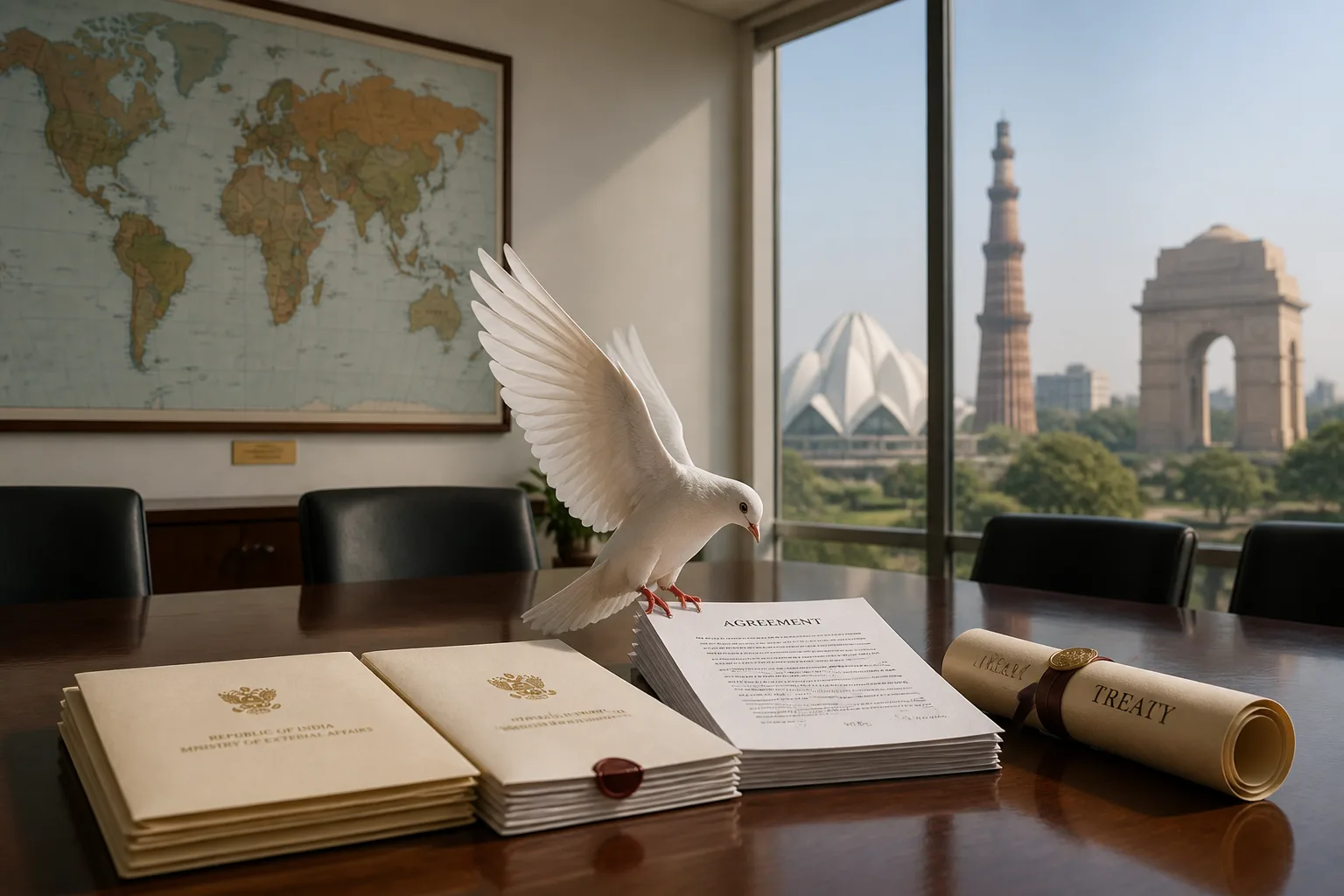
On 15 June 2026, the United States and the Islamic Republic of Iran signed a memorandum of understanding that extends the ceasefire in place since 28 February 2026 and sets a 60‑day window for further talks on Iran’s nuclear programme, sanctions relief and the reopening of the Strait of Hormuz. The agreement, mediated by Pakistan and Qatar, is the first formal diplomatic step between the two countries since 1980.
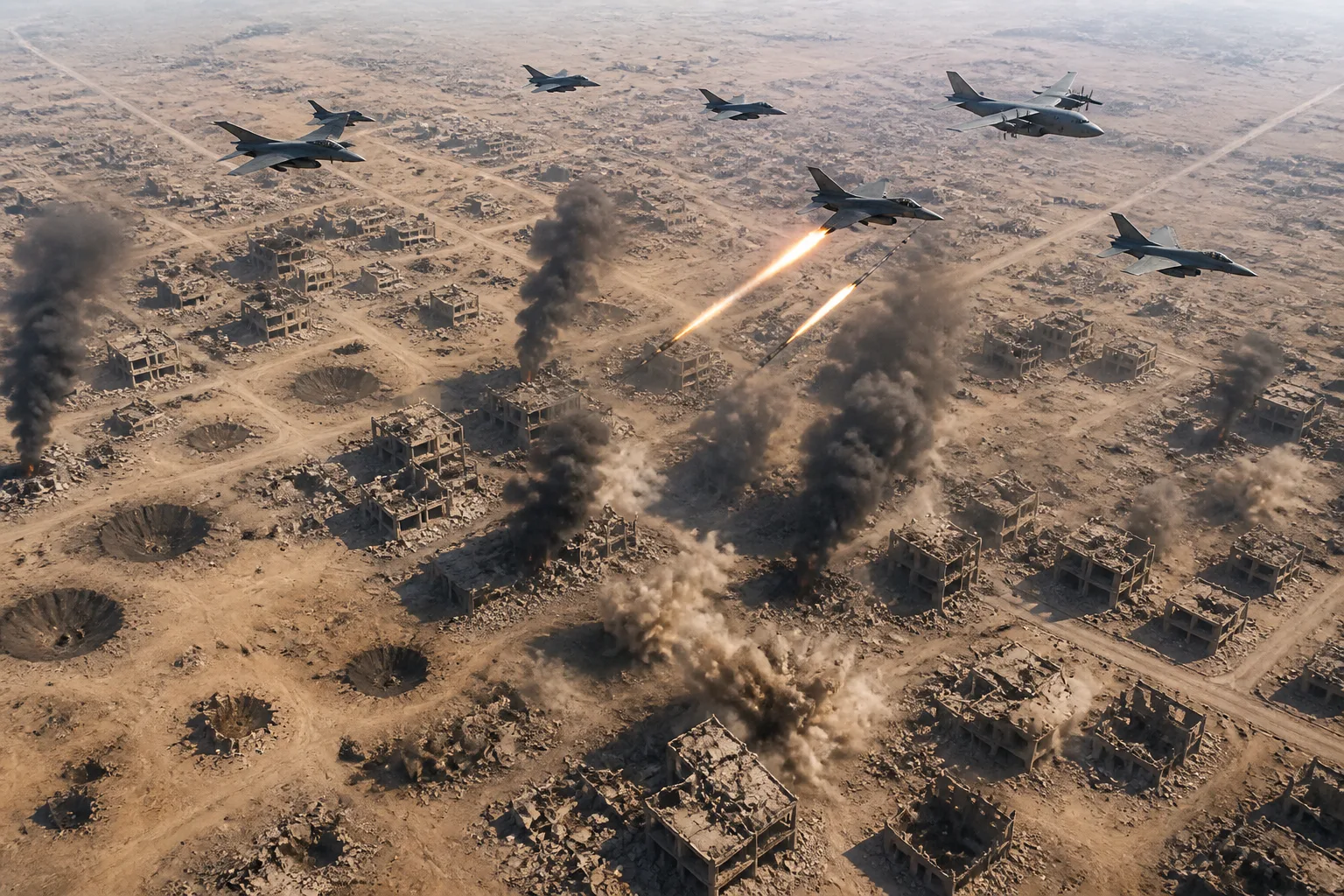
The backdrop to the memorandum is a three‑month war that began when the United States and Israel launched a joint strike on Iranian military and nuclear sites, including the assassination of Iran’s Supreme Leader. The conflict ended with a ceasefire brokered by Pakistan and Qatar, after which the United States lifted its naval blockade of the Strait of Hormuz and agreed to clear mines from the waterway.
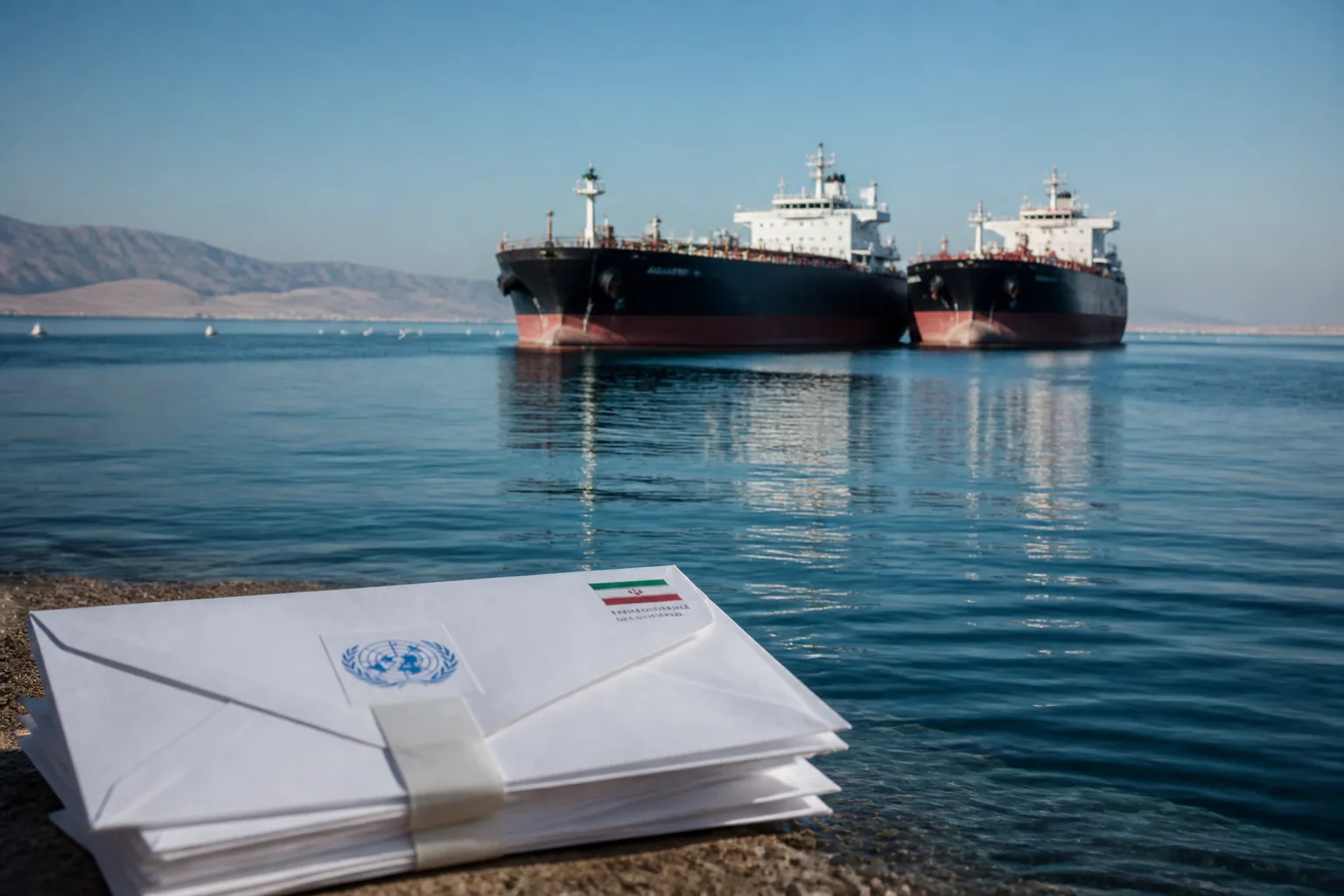
Key provisions of the memorandum include: The United States will lift its naval blockade of the Strait of Hormuz and clear any mines, allowing the waterway to reopen to commercial shipping. A 60‑day period is set for negotiating limits on Iran’s nuclear enrichment activities, the disposal of highly enriched uranium and the release of frozen Iranian assets. * Sanctions relief is to be granted, including a waiver of oil sanctions, as reported by Reuters.
The Strait of Hormuz is a critical choke point, carrying roughly 20 % of the world’s seaborne oil and a significant share of liquefied natural gas. According to Al Jazeera, the waterway handles about a fifth of global oil trade. Its reopening is expected to reduce price volatility, lower Brent crude prices and ease supply chain pressures that have contributed to inflation worldwide.
The nuclear aspect of the deal addresses long‑standing proliferation concerns. Iran’s enrichment facilities at Natanz, Fordow and Isfahan have been the focus of international scrutiny since the 2015 Joint Comprehensive Plan of Action (JCPOA). The United States, which withdrew from the JCPOA in 2018, has demanded a permanent halt to enrichment. The memorandum includes limits on enrichment and the disposal of highly enriched uranium under International Atomic Energy Agency (IAEA) oversight, according to the Guardian.
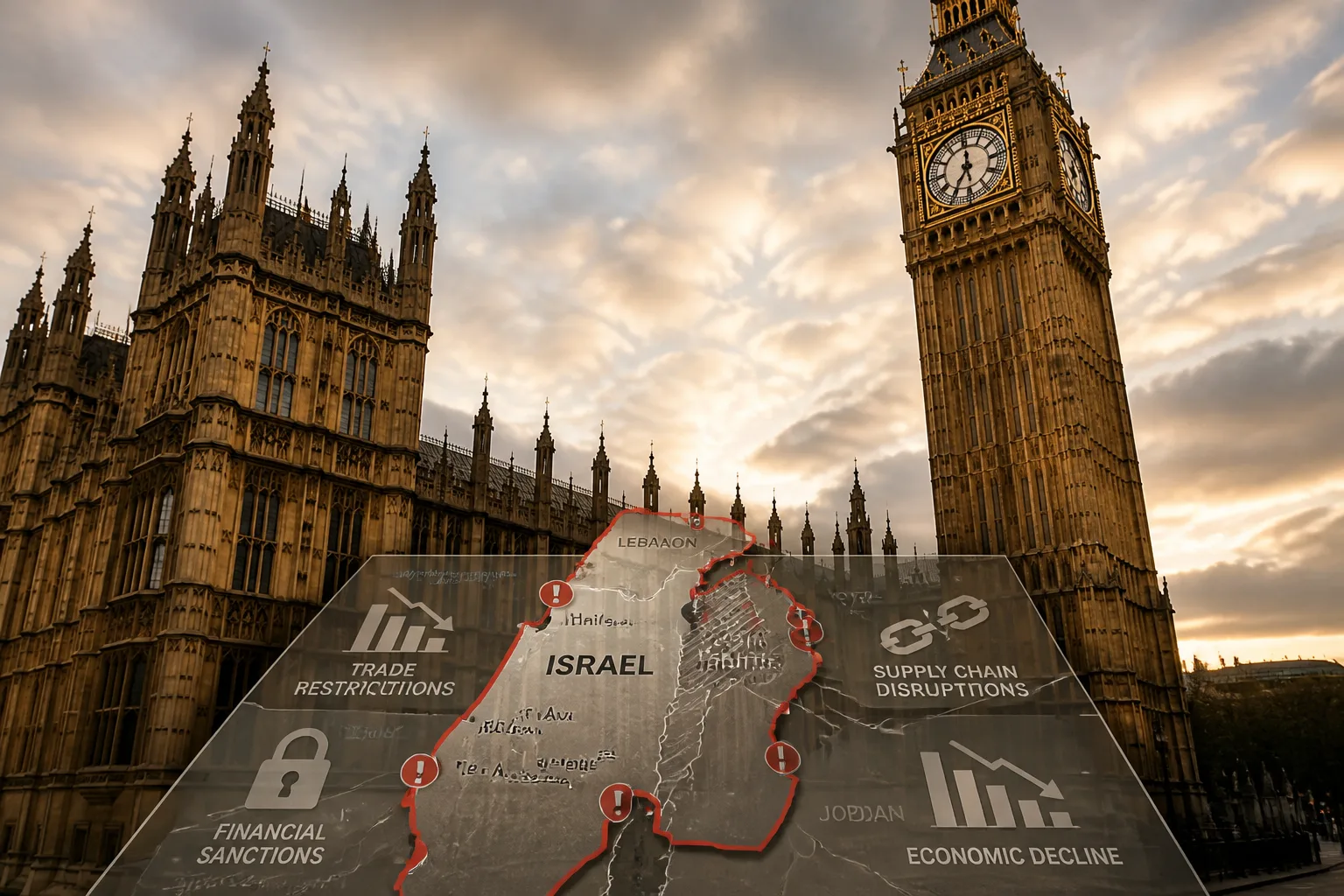
Regionally, the memorandum calls for a permanent cessation of hostilities on multiple fronts, including Lebanon. By removing the primary geopolitical fuel for proxy conflicts, the agreement could reduce humanitarian suffering and limit refugee flows to Europe. The European Union and other regional partners welcomed the deal, noting its potential to stabilize the Middle East.
Despite the optimism, analysts remain cautious. The memorandum is a preliminary framework; no final treaty has yet been signed. The United States and Iran have not had formal diplomatic relations since 1980, and the agreement’s durability depends on the parties’ willingness to move beyond the 60‑day window.
In short, the June 15 memorandum marks a fragile but significant diplomatic milestone. It opens a path toward economic stability, nuclear non‑proliferation and regional peace, while the world watches the next steps toward a permanent settlement.