Australia Lowers Travel Warnings for Bahrain, Kuwait, Israel, Qatar and UAE Amid US-Iran Peace Talks
When the Australian government announced that it had lowered travel warnings for Bahrain, Kuwait, Israel, Qatar and the United Arab Emirates, many Australians who had been on the sidelines of Middle‑East travel suddenly found their itineraries back on track.
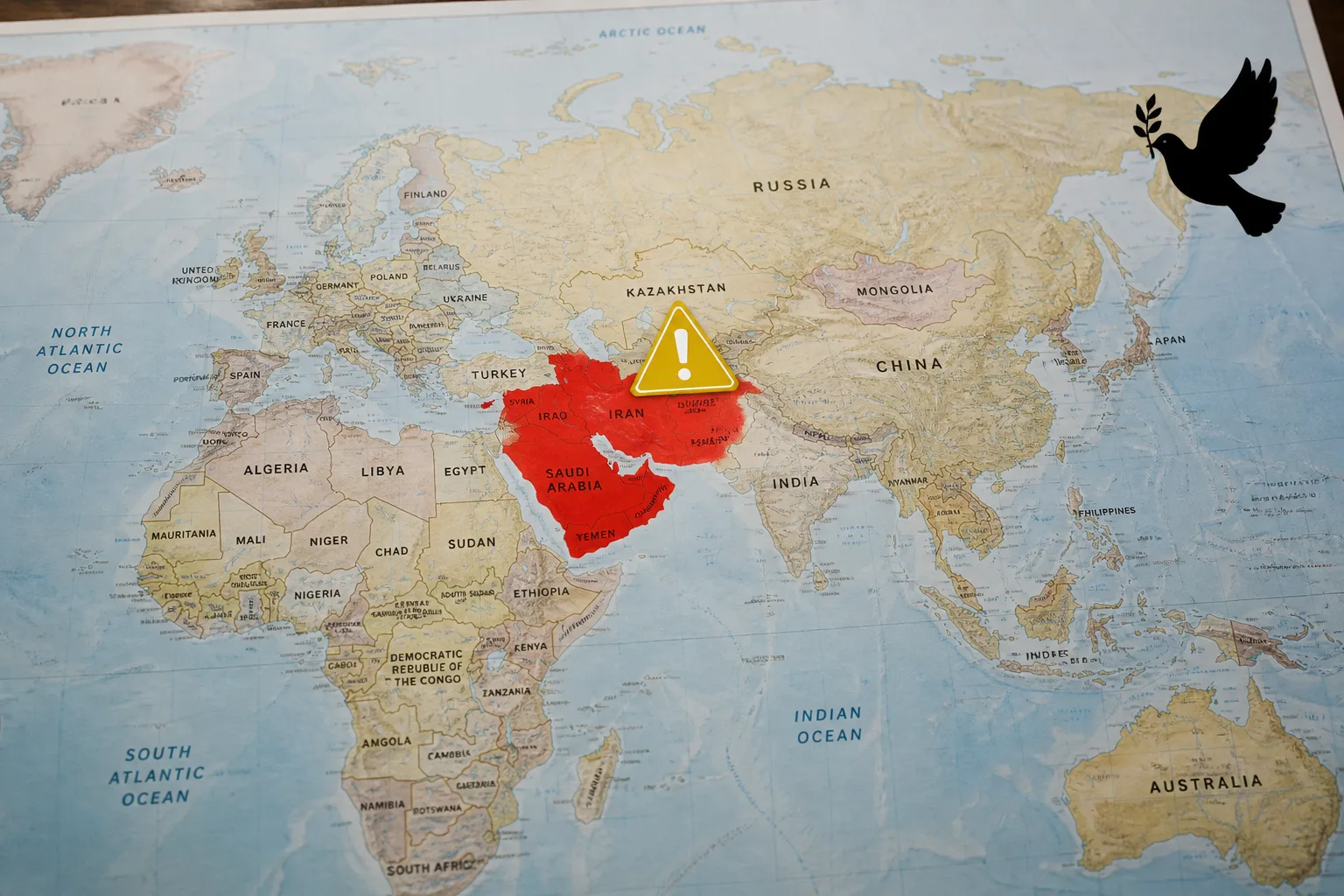
The Department of Foreign Affairs and Trade (DFAT) moved the advisory for the five states from Level 4 – “do not travel” – to Level 3, “reconsider your need to travel.” The change follows a tentative agreement between the United States and Iran that is expected to be formally signed on Friday in Switzerland, a development that has shifted the security calculus across the region.
Foreign Minister Penny Wong explained that the new assessment reflects the current security environment. "Level three remains a high threshold. We continue to urge Australians to postpone non‑essential travel," she said. She added, “Reconsider your need to travel also means reconsider your need to transit. If you need to transit these locations, stay as short a time as possible and eliminate unnecessary activities.”
Level 3 still carries a warning for transit through airports in the region, many of which had been closed or restricted because of missile threats. Travelers are therefore advised to keep layovers brief and avoid non‑essential stops, even as the overall risk profile has eased.
DFAT maintains Level 4 warnings for parts of Israel, Iran, Iraq, Lebanon, Palestine, Syria and Yemen, where active conflict and security incidents continue to pose significant dangers. Those advisories remain in force for anyone heading to or transiting through those areas.
The decision follows a series of events that began in late February when hostilities erupted across the Middle East. The outbreak forced the closure of many airports and the suspension of air traffic, prompting the Australian government to issue Level 4 warnings. The missile threat also caused many travel‑insurance policies to become void for flights that routed through the region.
The new advice is directly linked to the tentative US‑Iran peace deal, which was reached after months of negotiations and is scheduled for formal signing on Friday. The agreement is expected to ease tensions and potentially reopen the Strait of Hormuz, a key maritime chokepoint for global oil transport.
Israel’s ambassador to Australia, Hillel Newman, publicly endorsed the deal, but noted that Israeli strikes against Lebanon would continue. "Our operations in southern Lebanon are entirely for our defence," he told ABC Radio. President Donald Trump, meanwhile, has described the conflict between Israel and Lebanon as a minor one and expressed confidence that the peace deal would survive ongoing hostilities.
For Australian travelers, the downgrade means that flights to or through Bahrain, Kuwait, Israel, Qatar and the UAE may now be considered safer, but the advice still urges caution. DFAT recommends that travelers check the status of their travel insurance, as many policies were previously voided under Level 4, and that any transit through the region should be brief and free of unnecessary activities.
The travel advisory update reflects a broader shift in the region’s security dynamics. While the US‑Iran peace deal offers a potential path to stability, the persistence of hostilities in Lebanon and the continued threat of missile attacks mean that the Australian government remains vigilant. The Level 3 advice is intended to provide a higher threshold for travel while still signalling that risks remain.
In summary, Australians can now consider travel to Bahrain, Kuwait, Israel, Qatar and the UAE with a lower level of caution, but should still exercise prudence, especially when transiting through the Middle East. The Level 4 warnings for parts of Israel, Iran, Iraq, Lebanon, Palestine, Syria and Yemen remain in effect until further developments reduce the security threat. The Australian government will continue to monitor the situation and update its travel advice as necessary, particularly in light of the upcoming formal signing of the US‑Iran peace deal and any subsequent changes in regional security.