U.S. and Iran Sign Preliminary Deal Ending Hostilities, Lifting Sanctions and Reopening Hormuz Strait
On a crisp June afternoon, the United States and Iran inked a memorandum of understanding (MOU) that brings an abrupt end to the three‑month war that erupted on 28 February 2026. Vice President John D. Vance declared the accord a historic victory for the American people, underscoring the reopening of the Strait of Hormuz and the immediate removal of oil sanctions.
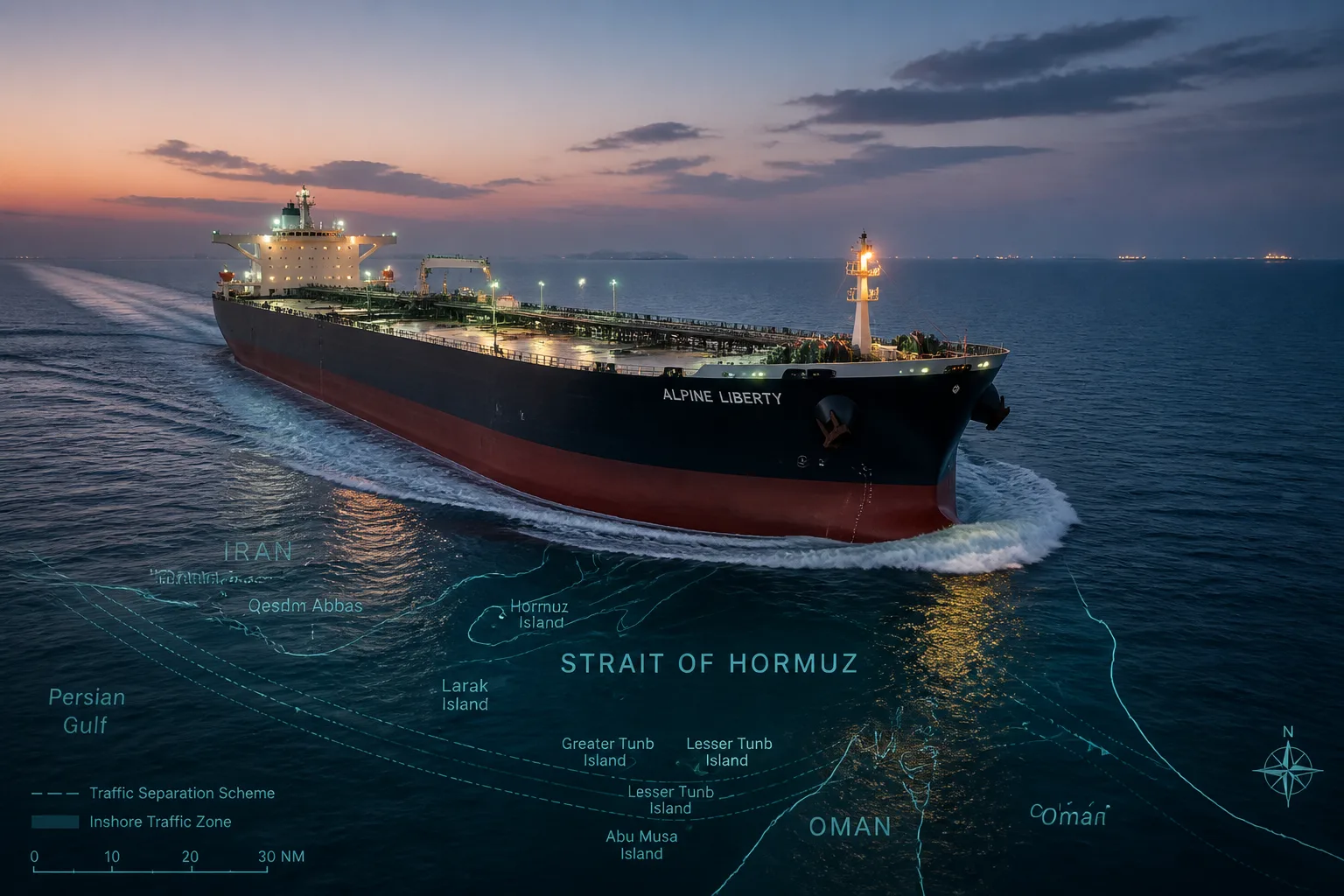
The MOU lifts the U.S. naval blockade that had sealed the Hormuz Strait for most of the conflict. Iranian vessels can now navigate the 104‑mile waterway without paying tolls for a 60‑day period. In addition, the agreement releases tens of billions of dollars of Iranian foreign‑exchange assets that had been frozen in escrow accounts across Asia, Europe and the Middle East. The United States has also pledged a $300 billion reconstruction fund for Iran, explicitly stating that no U.S. taxpayer money will be used.
The removal of oil sanctions is poised to ripple through global markets. Immediately after the blockade was lifted, Brent crude and U.S. gasoline prices fell back to pre‑war levels. Prior to the conflict, sanctions had forced Iran to sell crude through a shadow fleet of tankers at steep discounts and in barter transactions, severely limiting the country’s revenue. Under the new terms, Iran can now sell oil at market price and receive payments in hard currencies.
Nuclear provisions in the MOU are modest: Iran must down‑blend its remaining enriched uranium. The country holds roughly 11 tons of enriched material, including about 970 pounds of uranium at 60 percent purity, a step away from weapons‑grade material. The agreement does not mandate the removal of the stockpile, nor does it establish a mechanism to verify the destruction of highly enriched uranium. For context, the 2015 Joint Comprehensive Plan of Action (JCPOA) had eliminated 97 percent of Iran’s stockpile.
Missile and drone programmes are absent from the MOU’s language. Intelligence estimates that Iran retained about 70 percent of its pre‑war missile stockpile, including mobile Transporter‑Erector‑Launcher (TEL) vehicles. The United States had previously stated that eliminating Iran’s short‑ and medium‑range missiles was a non‑negotiable objective.
Reactions to the deal have been polarized. Israeli officials, including members of Prime Minister Benjamin Netanyahu’s cabinet, condemned the agreement as a betrayal. Vice President Vance warned Israel that the United States remains the only ally sympathetic to its security concerns. Several Gulf monarchies have expressed support, citing the threat posed by Iranian missiles to their infrastructure and tourism sectors.
The MOU is a preliminary step that opens a 60‑day window for further negotiations on nuclear limits, sanctions relief and reconstruction. Neither side has yet agreed on a final treaty, and the next phase will determine whether Iran’s nuclear programme will be curtailed and whether the reconstruction fund will be financed.
The deal marks a significant shift in U.S. policy toward Iran and could alter the balance of power in the Middle East. Its ultimate impact will hinge on the outcome of the next round of talks and the willingness of regional partners to accept a financially strengthened Iran.