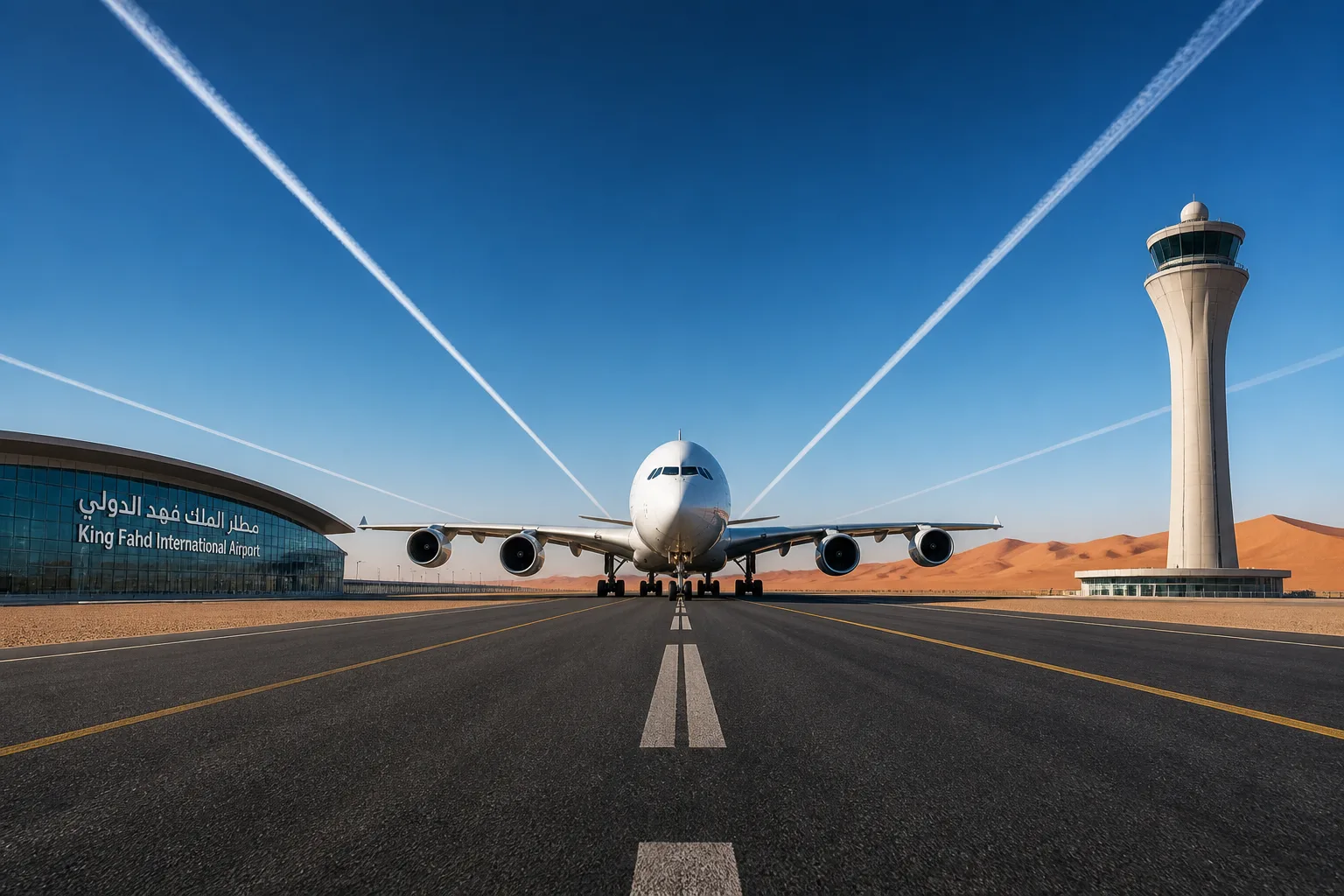
Gulf Airlines Rebound to Near Pre-War Levels as Airspace Reopens
After months of turbulence, Gulf carriers are lifting off again, with flight volumes inching toward the pre‑war level they enjoyed before the Iran‑related conflict that began on 27 February 2026. Flightradar24 data show that Gulf airlines are now operating at roughly 82 % of their original flight volume, while Emirates, Qatar Airways and Etihad are flying about 90 % of their pre‑war schedules. Gulf Air and Kuwait Airways have even reached 100 % of the February 27 baseline.
The revival follows an interim cease‑fire agreement signed on Wednesday, 19 June 2026, by the United States and Iran. Analysts expect the deal to take effect after Friday’s talks, and the reopening of regional airspace should allow Gulf carriers to resume normal operations. Flight numbers illustrate the progress: Emirates is at 86 % of its pre‑conflict volume, Qatar Airways 87 %, and Kuwait Airways 86 %. Gulf Air and Etihad are both at 93 % of February levels. Lower‑cost carriers Air Arabia and Flydubai are at 75 % and 57 % of pre‑war levels, respectively. A month ago, Etihad and Qatar Airways were operating at only 40‑50 % of their previous capacity.
Safety concerns remain paramount. Drone and missile attacks during the conflict forced many Gulf‑bound flights to divert, confining operations to a handful of safe corridors. European and Asian carriers largely halted service to the region, and the European Union Aviation Safety Agency (EASA) kept a warning in place until 24 June. EASA said it would reassess the risk once the situation stabilises, but it is still too early to determine whether the de‑escalation will reduce threats to civil aviation.
The conflict’s economic fallout has reverberated beyond the Gulf. Jet‑fuel prices surged, squeezing airlines that lack hedges. Schedules across Europe and Asia were disrupted, and carriers warehoused aircraft or flew “flights to nowhere” to reposition fleets. In response, the International Air Transport Association cut its 2026 profit forecast for the industry from about $41 billion to $23 billion.
The return of Gulf airlines is significant for the region’s transport and tourism sectors. Emirates CEO Tim Clark told Reuters that the carrier will focus on reassuring passengers about safety and reliability. Etihad has offered visitors to Abu Dhabi complimentary medical travel insurance from July through December. The airlines’ presence at major hubs such as Dubai, Doha and Abu Dhabi is a key part of the Gulf’s strategy to remain a global air‑traffic hub.
With the cease‑fire implementation expected soon, Gulf carriers are poised to restore full route networks and rebuild passenger confidence. The next steps will involve re‑establishing schedules, re‑opening airspace corridors, and ensuring that safety measures meet international standards.