UAE Detains Iraqi and Bahraini Shia Scholars Amid Rising Sectarian Concerns
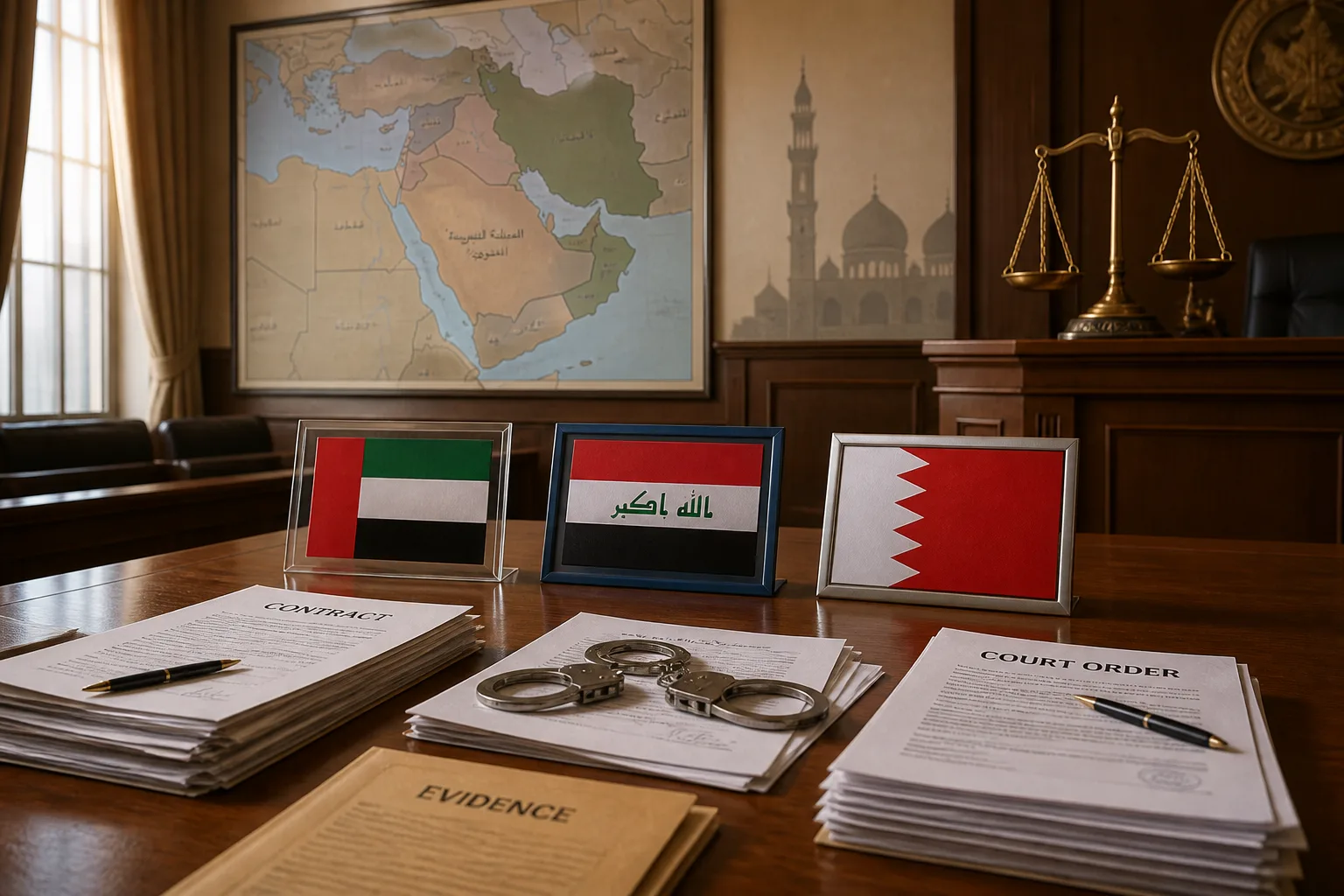
In a development that has drawn attention from human‑rights groups and the families of the detainees, a group of Iraqi and Bahraini Shia scholars is expected to appear before the Counter‑Terrorism Prosecution in Abu Dhabi during the current week. The scholars, who were arrested in March 2025, include Bahraini figures Sheikh Ali Hindi, Sayyed Adnan Sayyed Abdullah al‑Arifi, and Sayyed Ali al‑Ali, as well as Iraqi academics Professor Osama al‑Saadi, Dr Zuhair Abbas al‑Sarraf, Sheikh Thamer al‑Sarraf, and Sayyed Abdullah al‑Tahami.
The arrests were part of a broader operation carried out by Emirati authorities in March 2025 that targeted Shia residents across Dubai, Sharjah and Abu Dhabi. While the authorities have not released formal charges, the detainees are being held by the Counter‑Terrorism Prosecution, an arm of the state security apparatus in Abu Dhabi.
The case has coincided with the reported closure of the Al‑Rasoul Al‑A'zam Hussainiya in Abu Dhabi, a Shia worship centre that had been used for religious rituals and community gatherings. The closure was cited in discussions about the freedom of Shia Muslims to practice their religion in the UAE.
Families of the detainees and several human‑rights organisations have called for the detainees’ legal rights to be respected. They are demanding that the detainees be allowed to contact their families and to have access to legal counsel.
The situation is part of a wider pattern of sectarian‑based detentions in the UAE. In April 2026, reports from the Migrant Rights Research Open Repository and other civil‑society groups documented a coordinated campaign that saw thousands of Pakistani Shia migrants arrested across the UAE and deported without charges or an opportunity to gather belongings. The campaign was described as a systematic targeting of religious minorities.
The UAE’s counter‑terrorism framework is governed by the State Security Directorate in Abu Dhabi and the Dubai State Security. Local police forces, including the Abu Dhabi Police and the Dubai Police, typically act as first responders in cases that are later escalated to the federal counter‑terrorism bodies.
The closure of the Hussainiya and the detention of the scholars have raised concerns about the broader environment for Shia Muslims in the UAE. While the UAE is a federal monarchy with a diverse expatriate population, the Shia community, which constitutes a minority in the country, has historically faced restrictions on religious expression.
The UAE government has not issued a statement regarding the specific charges against the scholars. However, the Counter‑Terrorism Prosecution is known to handle cases that involve alleged threats to national security, including accusations of terrorism or extremist activity.
International observers note that the UAE’s legal system allows for detention without immediate charges under certain circumstances, but the lack of transparency in the current case has prompted criticism from human‑rights advocates.
The families of the detainees are monitoring the proceedings closely. They have requested that the UAE authorities ensure that the detainees are treated in accordance with international legal standards, including the right to legal representation and the right to communicate with family members.
The broader context of sectarian tensions in the Gulf region, heightened by regional conflicts and diplomatic disputes, has contributed to a climate in which religious minorities can become targets of state security operations.
The upcoming hearings before the Counter‑Terrorism Prosecution will be closely watched by the international community, as they could set a precedent for how the UAE handles cases involving Shia individuals and other minority groups.
At present, the status of the detainees remains uncertain. No official release of charges or trial dates has been announced, and the families continue to seek assurances that their relatives’ legal rights will be upheld.
The situation underscores the need for clear legal procedures and safeguards for detainees in the UAE, particularly those from minority religious communities.
The next steps will depend on the outcome of the forthcoming court appearances. If the scholars are charged, the case will likely proceed through the UAE’s federal court system, where the Counter‑Terrorism Prosecution will present evidence. If no charges are filed, the detainees may be released or transferred to other authorities.
The case remains a focal point for discussions about religious freedom, minority rights, and the rule of law in the UAE.