ICJ Ruling, ICC Warrants, and Canadian Sanctions Intensify Pressure on Israel Over Occupation
On 19 July 2024, the International Court of Justice issued an advisory opinion that reverberated across the international legal community. The court declared Israel’s occupation of the West Bank, East Jerusalem, and Gaza Strip illegal, noting that the occupation has persisted for more than 57 years and that settlement expansion and resource exploitation amount to de‑facto annexation. It further demanded that Israel terminate its presence and compensate Palestinians. Israel rejected the decision, labeling it a “decision of lies” and stressing that the opinion carries no binding legal force.
Just over a year later, on 21 November 2024, the International Criminal Court issued arrest warrants for three prominent Israeli officials: Prime Minister Benjamin Netanyahu, former Defence Minister Yoav Gallant, and a senior Hamas commander. The warrants, grounded in the Rome Statute, obligate all 125 ICC member states to detain the individuals if they enter their territory. The court has previously issued a warrant for a Hamas leader who is now confirmed dead and is seeking additional warrants for other Israeli figures.
Canada has positioned itself at the forefront of enforcing international law in the region. In October, Prime Minister Mark Carney announced that Canada would honor the ICC warrant and arrest Netanyahu should he set foot on Canadian soil. The federal government has also imposed sanctions on a range of Israeli politicians and settlers, targeting individuals and entities that facilitate the occupation. Last month, nearly 200 former senior Canadian diplomats urged Ottawa to impose “robust” sanctions on Israel, a plea that follows an Angus Reid Institute survey indicating that two‑thirds of Canadians view Gaza’s humanitarian situation as a moral outrage and accuse Israel of deliberately blocking aid.
In December 2023, South Africa filed a genocide case against Israel at the ICJ, alleging that Israeli military operations in Gaza constitute genocide. The case remains under consideration, adding a new dimension to the legal scrutiny of Israel’s conduct in the Strip. The filing follows the ICJ’s July 2024 advisory opinion and reflects mounting international pressure for Israel to address alleged war crimes. The outcome could reshape diplomatic ties and influence future prosecutions.
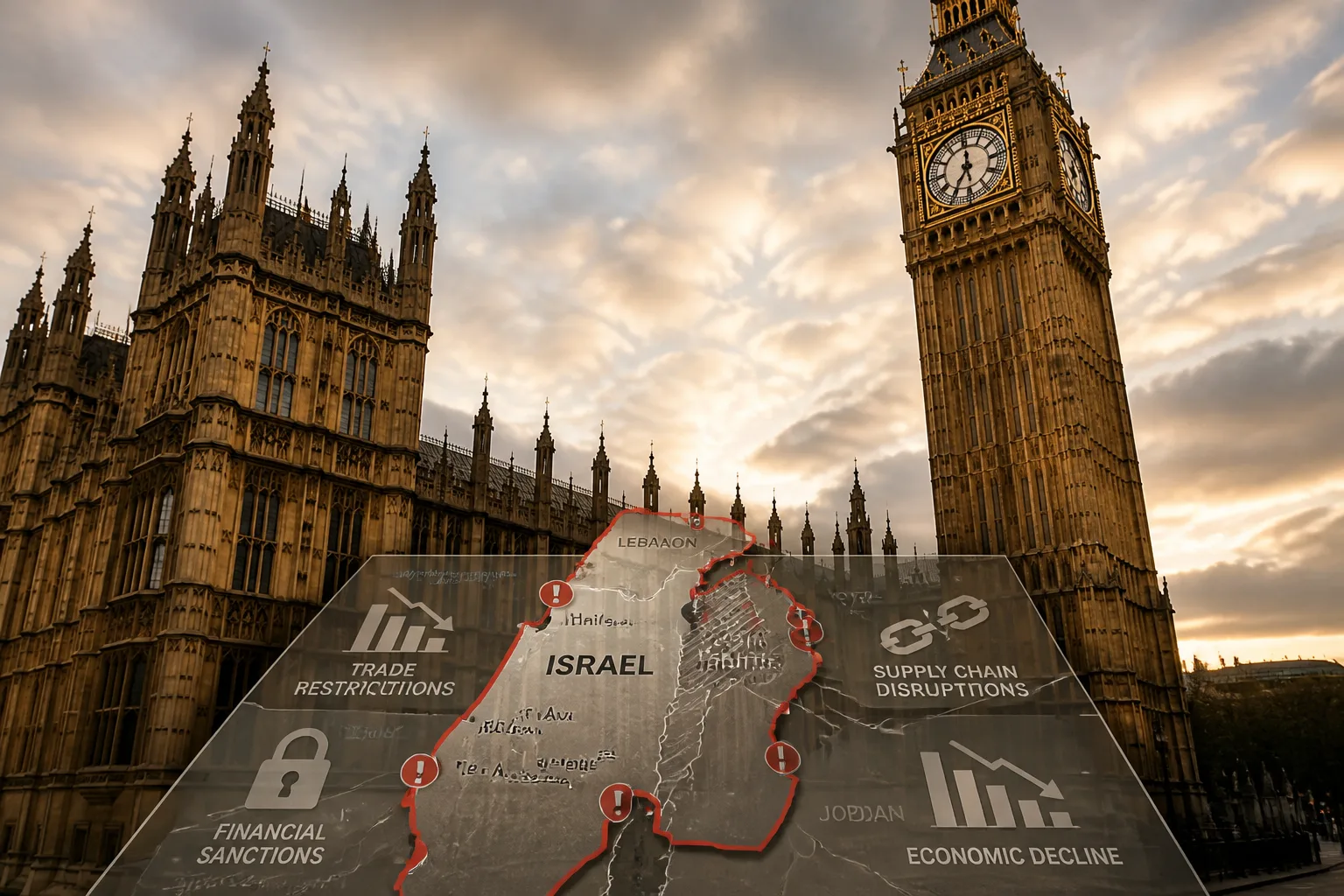
The convergence of legal judgments, arrest warrants, and diplomatic pressure is reshaping the regional diplomatic landscape. Israel’s government has repeatedly warned that it will not accept external interference in its security affairs. Yet the mounting pressure may sway other nations, especially those with close ties to Israel, and could alter prospects for a negotiated settlement. The situation also raises questions about the enforcement mechanisms of international courts and the willingness of states to comply with arrest warrants. While Canada and the EU monitor compliance, Israel maintains that its security operations are essential to counter terrorism. These developments may compel Israel to adjust its policies and engage in renewed negotiations.
At present, the ICC remains dependent on state cooperation for enforcement, and Canada’s sanctions target individuals and entities within its jurisdiction. The next steps will likely involve continued monitoring of ICC enforcement efforts, potential further sanctions by other countries, and diplomatic engagement aimed at addressing the humanitarian crisis in Gaza and the West Bank. The international community’s response will determine whether the legal and political pressure translates into substantive change on the ground and could influence future peace negotiations and international policy toward the region.
The enforcement of ICC warrants and the implementation of sanctions present significant challenges. States must balance diplomatic relations with legal obligations, and the lack of a dedicated enforcement mechanism means that compliance depends on political will. As more countries signal readiness to act on ICC mandates, the pressure on Israel may intensify, potentially prompting a reassessment of its occupation policies and opening new avenues for dialogue.