IEA Cuts 2026 Oil Demand Forecast Amid Gulf Crisis, Eyes 2027 Recovery
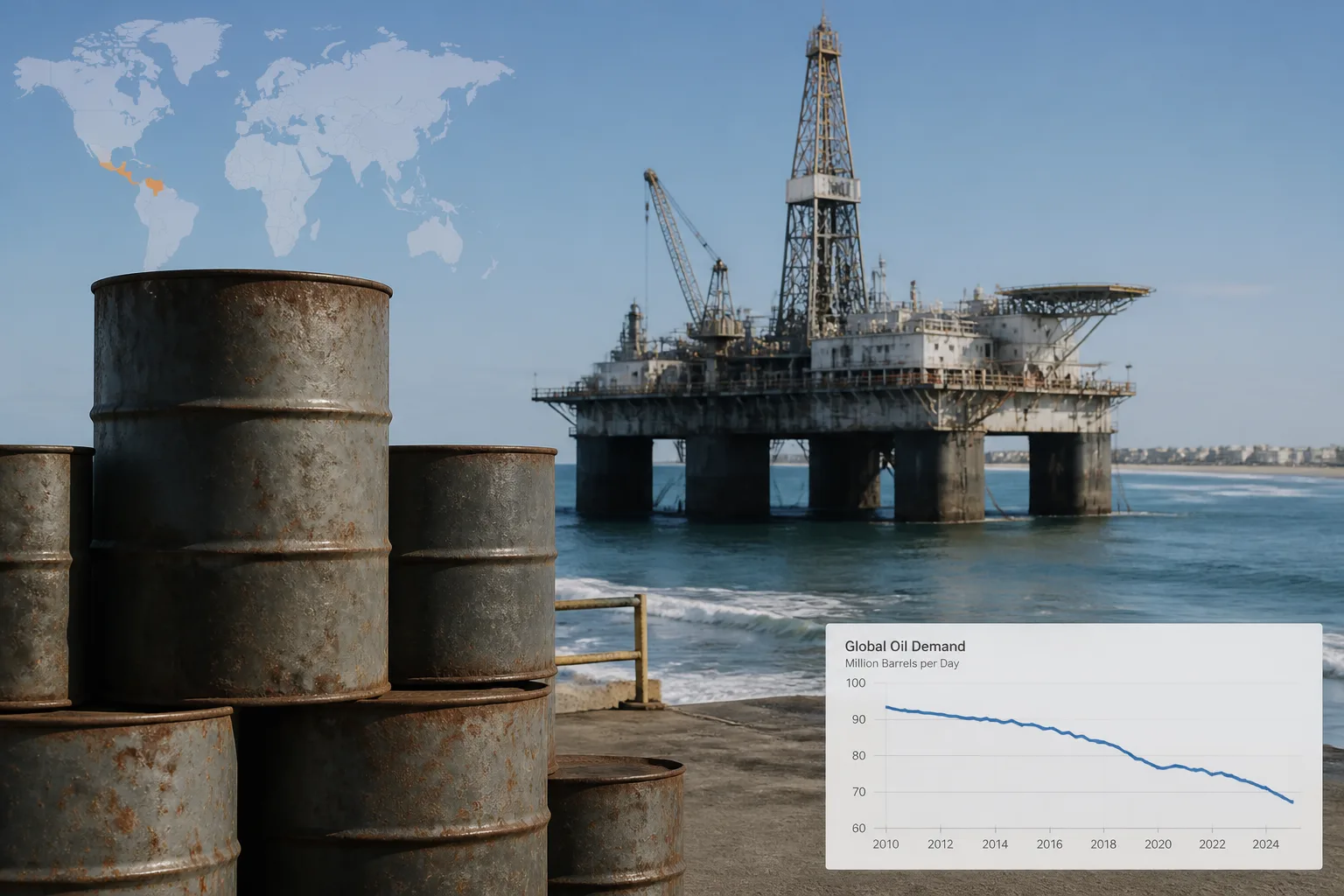
A sharp contraction in global oil demand is now the headline, as the International Energy Agency (IEA) trims its 2026 outlook by 1.1 million barrels per day (bpd) from the earlier projection of a 420,000 bpd decline. The downgrade follows the escalating Gulf supply crisis and the surge in energy prices that have taken hold since the conflict erupted in February 2026.
In its monthly bulletin released on Wednesday, the IEA warned that worldwide demand will shrink to 104 million bpd in 2026—a fall that is 1.3 million bpd below the pre‑war forecast. The agency attributes the sharper drop to sustained price pressure and the significant supply disruptions caused by the regional flare‑up.
Supply figures mirror the demand contraction. The IEA projects a 3.9 million bpd fall in global oil supply, bringing average output to 102.2 million bpd. Roughly 20 percent of the world’s production is effectively stranded in the Persian Gulf, the agency said, as shipping lanes remain blocked. A gradual rebound is expected, with flows through the Strait of Hormuz rising to 8 million bpd by 2027 and total supply climbing to 110.3 million bpd.
The report also highlighted that May 2026 oil output was 13.6 million bpd below pre‑conflict levels. Gulf producers’ exports dipped by 1.1 million bpd and were nearly 15 million bpd lower than February volumes. Observed inventories fell by 143 million barrels in May, averaging a drawdown of 3.8 million bpd since the war began.
Oil prices reacted sharply to the shifting supply picture. Brent crude slipped below $80 per barrel on Wednesday, its lowest level since early March, after falling more than 8 % over the week. West Texas Intermediate (WTI) traded near $76 per barrel. The dip reflects market optimism that the recent U.S.–Iran preliminary accord will eventually restore shipping through the Strait of Hormuz.
The IEA described the U.S.–Iran agreement as the most meaningful progress in negotiations since the conflict started. While the details remain murky and several issues are still outstanding, the agency said the accord is an encouraging step forward. It added that a full recovery will not be immediate, as mines must be removed from the main shipping lanes and supply chains will take time to normalise.
The preliminary memorandum of understanding was signed by the United States and Iran on June 14, 2026, with a formal signing ceremony slated for Friday. The deal lifts the naval blockade of the Strait of Hormuz, clears mines, and reopens the waterway to commercial shipping. It also sets a 60‑day window for further talks on Iran’s nuclear programme, sanctions relief, and the release of frozen assets.
Energy analysts note that the IEA’s 2027 forecast of a 2 million bpd demand increase and an 8 million bpd supply rebound could lead to a temporary surplus in the market. The agency warns that such a surplus may put downward pressure on oil prices, but the extent will depend on how quickly shipping lanes are cleared and production normalises.
In sum, the IEA’s latest report signals a deepening short‑term contraction in global oil demand and supply due to the Gulf crisis, but it also indicates a gradual recovery path that could restore flows through the Strait of Hormuz by 2027. The forthcoming U.S.–Iran accord is seen as a key milestone that could accelerate the normalization of oil markets.