Lebanese Turtle Conservationist Mona Khalil Dies After Israeli Strike on Southern Coast
On 20 June, the Mediterranean shoreline of southern Lebanon lost one of its most passionate environmental stewards. Mona Khalil, a 76‑year‑old advocate for sea turtles, died two days after a strike hit her home on al‑Mounsouri Beach near Tyre.
Khalil’s death followed injuries sustained in an Israeli air raid that struck a building housing her Orange House eco‑tourism project and the turtle‑nesting site she had long protected. The raid occurred on 5 June, and the Lebanese media reported that Khalil was rushed to a Beirut intensive‑care unit. According to Al Jazeera, she succumbed to her wounds on 20 June.
Her assistant, an Ethiopian woman who had worked alongside Khalil for years, was also injured but is now recovering. The Israeli Defence Forces (IDF) released a statement on 20 June saying Khalil was not a target. The military added that strikes were carried out after the IDF issued evacuation warnings and that the raid was part of a broader campaign in southern Lebanon.
Khalil’s story is a tapestry of migration and resilience. Born in Lagos, Nigeria, she moved to Lebanon at seven and later fled to the Netherlands during the civil war. In the Netherlands, she worked as a porcelain restorer and later acquired British citizenship. She returned to Tyre in the 1990s after inheriting a family property and dedicated herself to safeguarding the nesting sites of loggerhead and green sea turtles.
The Orange House, painted a bold orange to echo the safety she found in the Netherlands, served as both a research hub and an eco‑tourism attraction. It drew visitors who wanted to witness the turtles’ annual nesting rituals while learning about marine conservation.
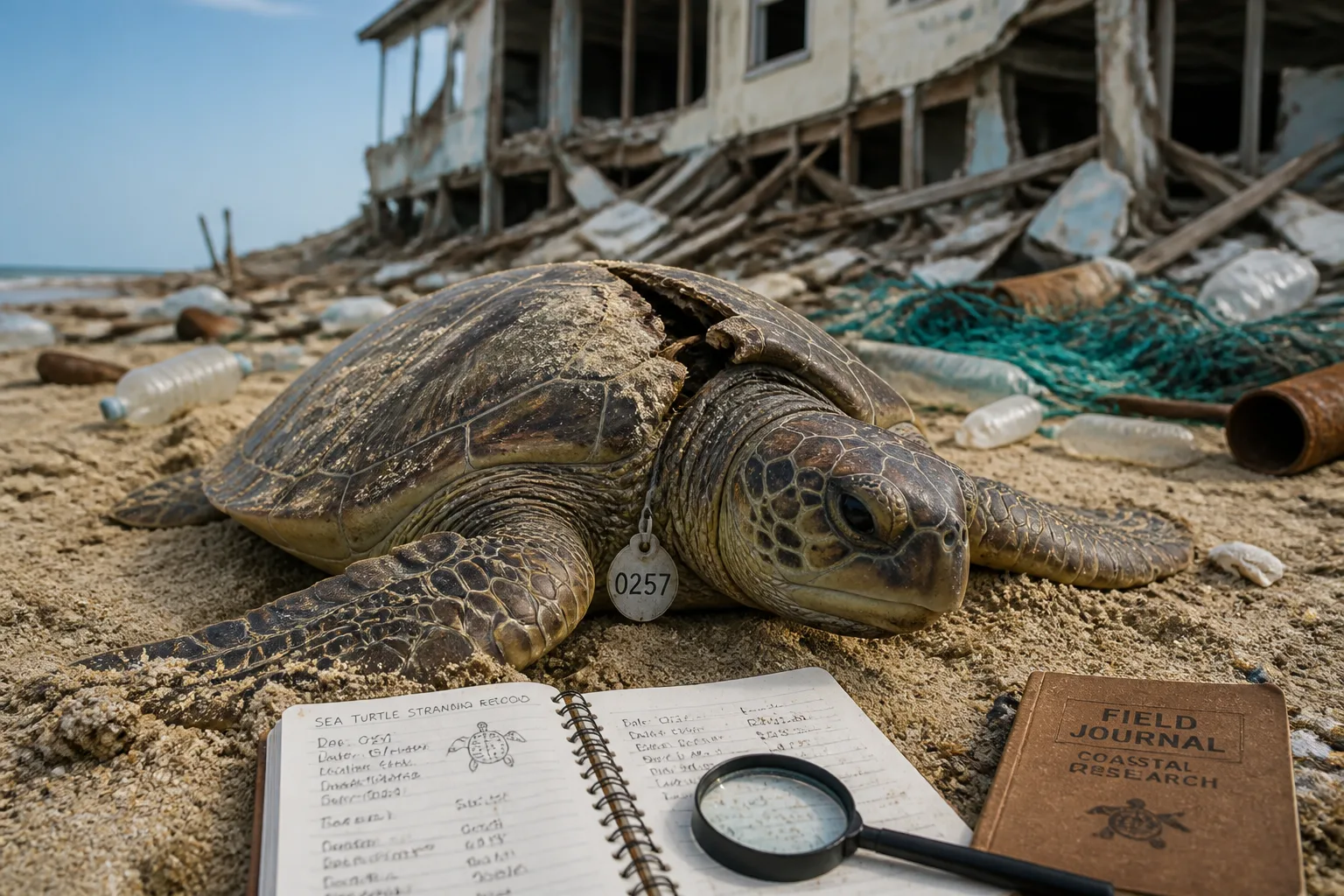
Both loggerhead and green turtles are classified as threatened in the eastern Mediterranean. Their numbers are threatened by coastal development, plastic pollution, fishing nets, and light pollution. Khalil’s work was therefore not only local but also part of a broader effort to preserve two species that face existential risks.
Green Southerners, a local non‑profit devoted to Lebanon’s natural heritage, described Khalil as “a deeply committed environmental defender.” Its founder, Hisham Younes, told the BBC that Khalil treated the beach as a living entity, adding that she was “really into conservation, and into the soul, the spirit of conservation.” Younes also noted that Khalil had previously declined to leave her turtles even amid fighting between Israel and Hezbollah.
Her death comes amid a resurgence of hostilities in southern Lebanon. Israeli air strikes have intensified in the area, raising concerns about civilian casualties and the protection of cultural and environmental sites. Local reports indicate that the region remains a flashpoint, with both sides maintaining a fragile cease‑fire.
The loss has been mourned by environmental groups across Lebanon and the wider Arab world. The Guardian and New York Times highlighted the death of a figure who had become a symbol of resilience and dedication to marine life.
At present, Khalil’s body has been returned to her family in Tyre, and her assistant continues to receive medical care. The Israeli military has not issued a statement regarding the specific damage to the Orange House, and local authorities have not yet confirmed whether the site will be restored.
The incident underscores the vulnerability of environmental work in conflict zones and the broader challenges facing conservationists in the Middle East.