Najaf Cleric Declares Irans Victory After US-Iran Memorandum, Calls for Solidarity Amid Regional Tensions
On a quiet Friday morning in Najaf, Iraq’s Shia spiritual capital, the air inside the Grand Fatimiyya Hussainiya hummed with anticipation. Hujjat al‑Islam Sayyed Sadr al‑Din al‑Qabanji stepped onto the pulpit and linked the freshly signed Iran‑United States memorandum of understanding to a larger narrative of Iranian resilience.
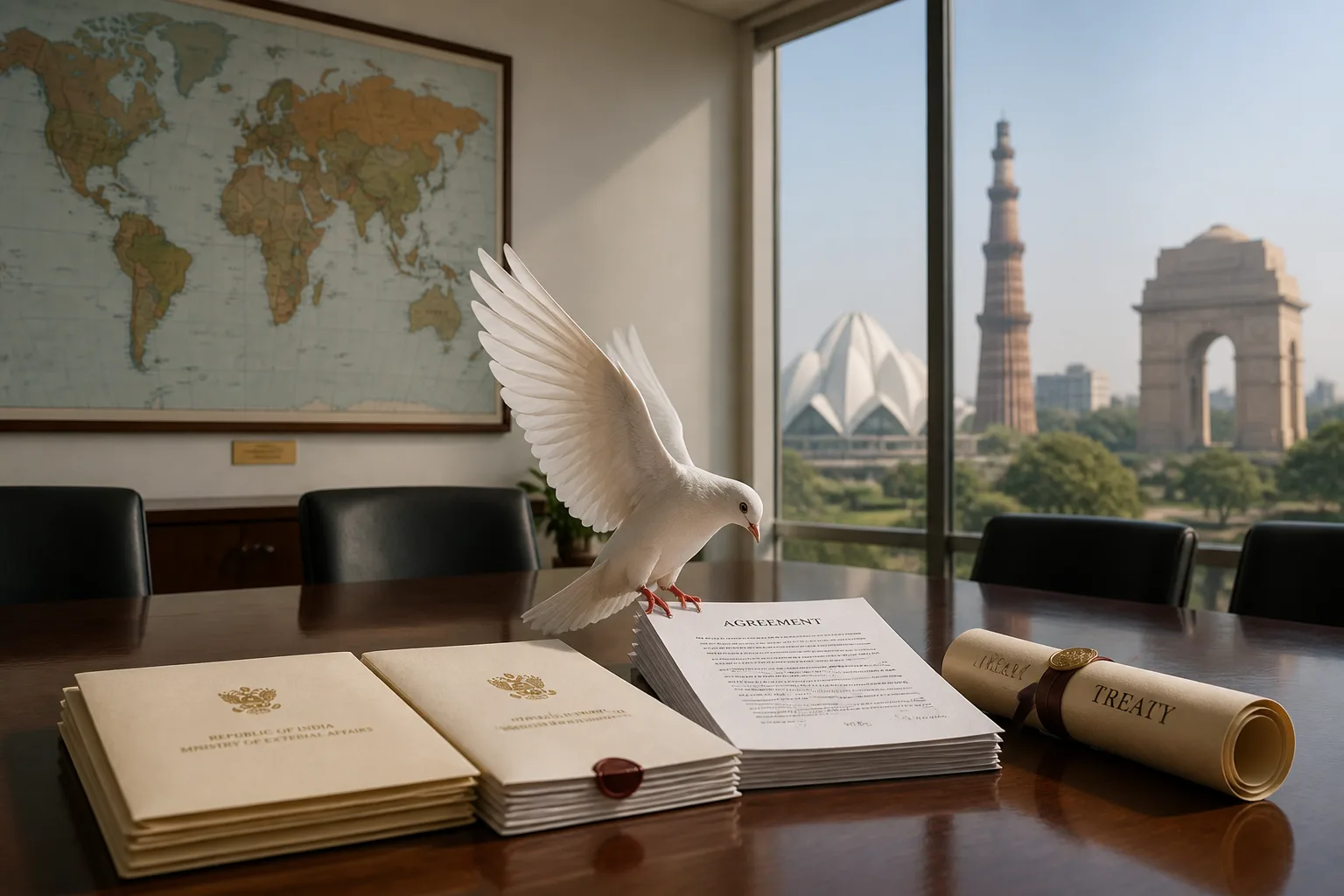
The memorandum, signed digitally on 18 June 2026 by Iranian President Masoud Pezeshkian and U.S. President Donald Trump, became the cornerstone of the cleric’s address. He portrayed the agreement as evidence that “Iran has emerged victorious and is powerful,” asserting that every attempt to topple the Iranian system had failed. The cleric highlighted the U.S. president’s acknowledgment of this failure, underscoring the joint role of Iraqi and Iranian peoples, their leadership, and “Hussaini concepts” in sustaining the regime.
Al‑Qabanji also celebrated a gesture that he described as a testament to the enduring bond between Iraq and Iran. He praised the shrine of Imam Ali for welcoming families of students from Iran’s Minab school who had been martyred. The cleric framed this act as a sign of shared faith, transcending geography or economics.
The sermon did not stop at Iraq and Iran. Al‑Qabanji turned his attention to Lebanon, condemning the repeated aggressions against Lebanese people as a breach of all agreements and human rights. He urged the international community to confront these “massacres” and expressed solidarity with Hezbollah and the broader Lebanese population.
A significant portion of the address centered on the second day of Muharram, the day Imam Hussein was martyred in Karbala. The cleric recited a passage that cast the event as a divine plan, emphasizing that the Hussaini uprising was guided by a higher will. He warned contemporary enemies of Imam Hussein that they should fear a fate similar to that of the former Saddam regime, citing a 2001 directive from Saddam’s government that prohibited public Muharram processions, chest‑beating, and eulogies outside mosques.
Criticism of Gulf states followed. Al‑Qabanji compared their recent restrictions on Hussaini rituals to the Ba’athist regime, arguing that suppression would only amplify the “light” of Hussaini remembrance. He cautioned that the curtailment of religious expression would not be tolerated.
Delivered in the wake of the Iran‑U.S. MoU, the sermon reflects the cleric’s view that the agreement marks a turning point in regional power dynamics. By framing the MoU as a vindication of Iranian sovereignty, al‑Qabanji aligns with a narrative that sees U.S. diplomatic engagement as a concession rather than a compromise.
The message also underscores the interconnectedness of Iraqi and Iranian religious communities. The shrine reception for Iranian families and the call for solidarity with Lebanon illustrate how Najaf’s religious leadership positions itself as a mediator and advocate for Shia interests across national borders.
In summary, the sermon presents a cohesive narrative: the Iran‑U.S. memorandum is proof of Iranian strength, domestic gestures reinforce Iraq‑Iran ties, and ongoing regional conflicts—particularly in Lebanon—require international attention. The cleric’s remarks also serve as a reminder of past attempts to curb Hussaini mourning, warning that suppression of religious expression will not be tolerated.
The next steps for the region remain tied to the implementation of the memorandum’s provisions and the broader geopolitical responses of Gulf states to the cleric’s warnings. The international community’s reaction to the MoU and the cleric’s calls for solidarity will shape the next chapter of Middle Eastern diplomacy.